Eco-Conscious Parenting Trends India 2026: A SkilloToys Guide
The landscape of Indian parenting is rapidly evolving, with eco-conscious parenting trends India set to redefine family choices in 2026. This definitive guide from SkilloToys explores the pivotal shifts, echoing sentiments from The Times of India's recent report on changing parenting rules, focusing on how sustainability is becoming central to raising children across the nation. We delve into how Indian families are making mindful decisions for a greener, more impactful future.
As awareness grows about environmental challenges, Indian parents are increasingly prioritising choices that benefit both their children's development and the planet. This movement is not just a trend but a fundamental shift towards more responsible and interconnected living, influenced by global conversations and local values.
What is Eco-Conscious Parenting?
Eco-conscious parenting is a mindful approach where families prioritise sustainable choices for their children's well-being and the planet. This matters because it fosters environmental responsibility from a young age and reduces ecological footprints. Indian parents can integrate this by choosing durable, natural toys and supporting local, ethical brands.
Sustainable Parenting India: Embracing Circularity in 2026
The concept of 'use and throw' is gradually giving way to circularity within Indian households. This significant shift in sustainable parenting India is seeing families embrace everything from pre-loved clothing to upcycled decor, valuing longevity over novelty. Research shows a significant uptick in demand for products designed for durability and reusability, reflecting a deeper commitment to waste reduction.
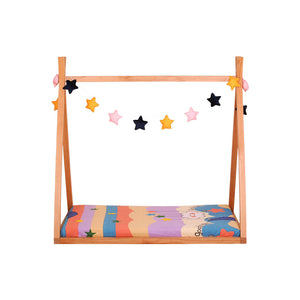
Many Indian families, especially those in joint setups, are reviving the tradition of passing down quality items, whether it’s cherished wooden cradles or educational toys. This practice not only reduces waste but also instills a sense of heritage and resourcefulness in children. It's about making thoughtful investments in items that stand the test of time, rather than fleeting purchases.
Mindful Parenting Trends: Connecting with Nature and Purpose
In a world increasingly dominated by screens, one of the most powerful mindful parenting trends is the renewed emphasis on connecting children with nature. Parents are actively seeking opportunities for outdoor play and experiential learning, even within urban landscapes like Bengaluru’s bustling parks or local community gardens. Child development experts agree that exposure to nature is crucial for cognitive, emotional, and physical well-being.
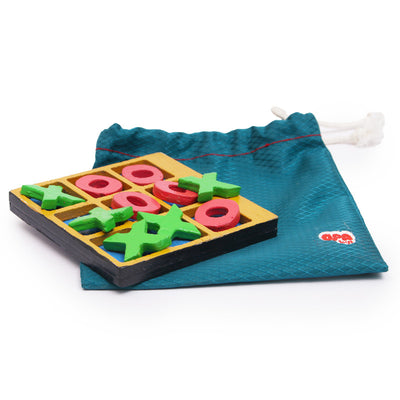
This trend extends to the toys children interact with, favouring natural materials like wood and cotton over plastic. SkilloToys champions this philosophy, offering Montessori learning materials that encourage hands-on exploration and a deeper understanding of the world. These choices reflect a desire to raise children who are not just academically proficient but also deeply connected to their environment and community.
Future of Parenting India: Beyond Conventional Choices
The future of parenting India is marked by a clear move beyond traditional academic pressure, towards fostering holistic development and practical life skills. Parents are increasingly seeking out educational approaches that encourage independence, critical thinking, and a sense of responsibility from a young age. This often means embracing philosophies like Montessori, which empower children to learn at their own pace.
This shift also involves a greater emphasis on family time and experiences over material possessions. Whether it’s celebrating festivals with handmade decorations or engaging in community service, Indian families are creating meaningful memories while imparting values of empathy and environmental stewardship. Grandparents play a crucial role, often sharing traditional, sustainable practices with younger generations.
Eco-Friendly Family Choices: Simple Swaps for Big Impact
Making eco-friendly family choices doesn't always require grand gestures; often, it's about consistent, small swaps in daily life. This includes choosing reusable cloth diapers, opting for natural personal care products, and reducing food waste by supporting local farmers' markets. Studies indicate that Indian consumers are increasingly prioritising ethical brands and locally sourced goods, contributing to a more sustainable economy.
For playtime, parents are selecting toys made from renewable resources, free from harmful chemicals. Our activityKits, for instance, are designed to engage children in creative and educational play using safe, sustainable materials, promoting hands-on learning without environmental compromise. These conscious decisions accumulate, leading to significant positive impacts over time for the planet and family.
Montessori and Sustainability: A Natural Synergy
Maria Montessori's philosophy, developed over a century ago, inherently champions principles that are now at the heart of the eco-conscious parenting movement. The emphasis on natural materials like wood, metal, and fabric in Montessori classrooms and homes aligns perfectly with sustainability goals. Montessori materials are designed for durability, open-ended play, and multi-age use, making them an excellent investment for environmentally aware families.
Montessori education also cultivates a deep respect for the environment through practical life activities and lessons on botany and zoology. Children learn to care for plants, understand life cycles, and develop an appreciation for the natural world around them. This foundational learning encourages responsible stewardship of our planet, aligning perfectly with the values of sustainable Indian parenting.
- Eco-conscious parenting trends in India for 2026 prioritise durability, natural materials, and reduced waste.
- Indian families are embracing circularity by passing down quality items and choosing long-lasting products.
- Connecting children with nature through outdoor play and natural toys is a key mindful parenting trend.
- The future of parenting in India focuses on holistic development, life skills, and experiential learning over solely academic pursuits.
- Simple eco-friendly swaps in daily life, like choosing local products and sustainable toys, create significant positive impacts.
- Montessori philosophy naturally supports sustainable parenting through its use of durable, natural materials and fostering environmental respect.
What is eco-conscious parenting?
Eco-conscious parenting is a mindful approach where families prioritise sustainable choices for their children's well-being and the planet. This fosters environmental responsibility from a young age and significantly reduces ecological footprints, benefiting future generations.
How can Indian parents adopt sustainable practices?
Indian parents can adopt sustainable practices by choosing durable, natural toys, supporting local artisans, reducing single-use plastics in daily life, and integrating outdoor play and nature-based learning into their children's routines. These small shifts make a significant collective impact.
Why is Montessori education relevant to sustainable parenting?
Montessori education inherently aligns with sustainable parenting through its emphasis on natural, durable materials, respect for the environment, and fostering independence. The philosophy encourages thoughtful consumption and a deep connection to the natural world from an early age.
Are eco-friendly toys more expensive?
While the initial cost of eco-friendly toys might sometimes be slightly higher, their superior durability, timeless design, and long-term value often make them more economical. They are built to last, can be passed down, and often offer greater developmental benefits than flimsy plastic alternatives.
How can families in joint households practice eco-conscious living?
Families in joint households can practice eco-conscious living by involving all members in decisions like composting, segregating waste, and opting for shared resources and bulk purchases. Grandparents can share traditional wisdom on resourcefulness, further strengthening sustainable family values and practices.