Eco-Friendly Winter Indoor Activities for Kids India
For Indian parents seeking engaging and sustainable solutions, eco-friendly winter indoor activities for kids India provide an essential framework to nurture curiosity and enthusiasm. As colder months arrive and outdoor play becomes less frequent, it is vital to keep young minds stimulated and bodies active, preventing the dreaded 'winter boredom'. Research shows that children thrive on purposeful engagement, which is why embracing eco-conscious Montessori activities can be transformative for Indian households.
Eco-conscious winter indoor activities are thoughtful engagements designed to stimulate children's development during colder months while minimising environmental impact. This approach matters because it instils a lifelong respect for nature and responsible consumption from a young age, aligning with India's cultural values of resourcefulness. Indian parents can empower their children with purposeful play that benefits both their growth and the planet, providing a refreshing alternative to screen time or excessive consumerism.
Nurturing Curiosity with Sustainable Montessori Play
Child development experts consistently affirm that an environment rich in sensory and practical experiences is paramount for a child's cognitive growth. Maria Montessori's philosophy, deeply rooted in respecting a child's innate drive to learn, offers perfect guidance for sustainable indoor play. By focusing on hands-on, self-directed activities using natural or repurposed materials, we can keep children's enthusiasm alive even during the chilliest days. This approach is particularly effective for Montessori indoor play winter India, adapting beautifully to various home settings, from urban apartments to traditional joint family homes.
Practical Life Activities: Connecting Kids to Home
Practical Life activities are the cornerstone of Montessori education, teaching children real-world skills and fostering independence. In Indian homes, these can be seamlessly integrated using everyday materials. Consider inviting children (ages 2-6) to help with simple household chores, transforming them into engaging learning experiences. Activities like sorting lentils, polishing small brass items, or helping roll out chapati dough provide immense satisfaction and develop fine motor skills.
Such engagements not only contribute to the family dynamic but also instill a sense of responsibility and capability. For instance, giving a child a small, child-safe broom or duster allows them to actively participate in maintaining their environment. Studies indicate that children who regularly engage in practical life activities develop stronger concentration and a greater sense of order, skills invaluable for their academic journey.
Sensory Exploration: Engaging All Senses Sustainably
Sensory play is crucial for brain development, especially for toddlers (18-36 months) and preschoolers. Creating eco-friendly sensory bins or trays offers a safe and stimulating indoor experience. Fill a tray with dried leaves, small pebbles, sand, or even spices like whole cloves and cardamom pods for aromatic exploration. Children can use scoops, small bowls, and their hands to explore textures, scents, and sounds.
Another excellent option is creating 'play dough' from natural ingredients like flour, water, salt, and food-grade colours, allowing for hours of creative moulding. These sustainable activities for kids indoors winter engage multiple senses, encouraging language development as children describe what they feel and smell. This mindful play is a stark contrast to the passive consumption of digital media, fostering active learning.
Battling Winter Boredom: Eco-Friendly Creative Endeavours
As the '6 Ways To Keep Kids’ Enthusiasm and Curiosity Alive Indoors This Winter' article from The Better India highlights, preventing boredom is key. Eco-friendly creative projects provide endless possibilities for entertainment and learning, using materials readily available in most Indian households. This not only keeps children occupied but also educates them about resourcefulness and reducing waste, aligning with broader conversations around sustainability like 'hopefully, we’ll get rid of fast fashion,' as noted by Max Alexander in The Times of India.
Art & Craft from Recycled Materials
Transforming 'waste' into 'wonder' is a powerful lesson in sustainability. Gather cardboard boxes, toilet paper rolls, old newspapers, fabric scraps, and plastic bottles. Children can create imaginative projects like a miniature Indian village, animal masks, or functional pen holders. For younger children, tearing and crumpling old newspapers develops hand strength and coordination before they move on to more intricate crafting. These activityKits can be curated at home, fostering resourcefulness.
Providing child-safe scissors, glue, and natural paints (e.g., made from turmeric or beetroot for older kids) empowers children to express their creativity freely. This hands-on approach helps answer the query of 'how to keep kids curious indoors winter' by providing open-ended materials that spark imagination rather than dictate specific outcomes.
Storytelling & Imaginative Play with Natural Elements
Imaginative play is fundamental for social-emotional development and problem-solving skills. Encourage children to build forts using bedsheets and chairs, creating cosy nooks for reading or puppet shows. Using natural elements like twigs, leaves, or even dried flower petals, children can craft characters for their stories.
Grandparents often have a treasure trove of traditional Indian folktales. Encouraging children to re-enact these stories or create their own narratives with simple props fosters linguistic skills and cultural connection. This rich imaginative play offers excellent winter boredom solutions kids eco-friendly, keeping their minds active and spirits bright.
Montessori Indoor Play Winter India: A Holistic Approach
Adopting a holistic Montessori approach to winter indoor activities means valuing process over product and allowing children the freedom to explore at their own pace. This empowers children to become active participants in their learning journey, mirroring the philosophy of Indian entrepreneurs like Meeta Sharma Gupta, who built a toy brand around meaningful play. It is about creating a 'prepared environment' where children can choose their activities, fostering independence and a love for learning.
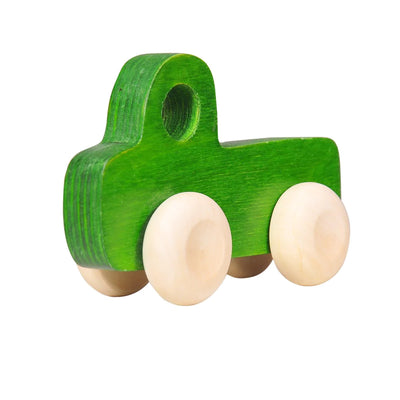
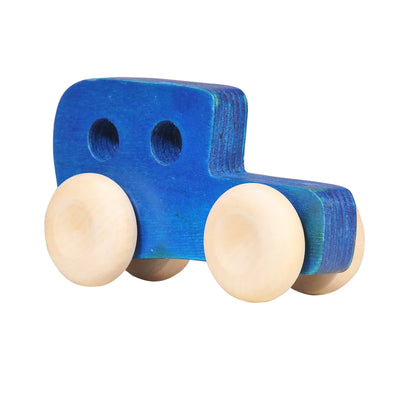
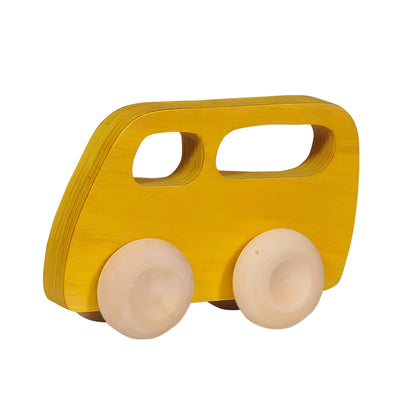
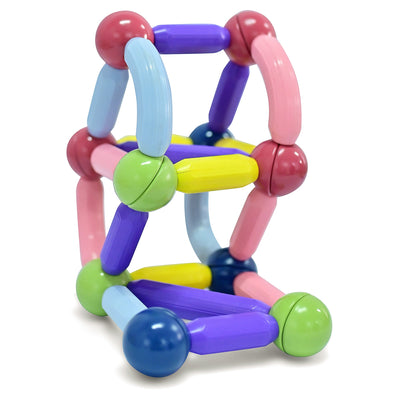
This philosophy also extends to the choice of toys. Opting for durable, open-ended Montessori materials made from natural wood or recycled plastics, instead of disposable plastic toys, reinforces eco-conscious values. By integrating these practices, parents provide enriching experiences that combat winter sluggishness, ensuring children remain curious, enthusiastic, and connected to both their environment and their culture.
Ultimately, these eco-friendly winter indoor activities for kids India are more than just ways to pass the time; they are investments in a child's development and a sustainable future. By embracing thoughtful, earth-friendly play, Indian parents can transform the colder months into a season of growth, discovery, and joy for their little ones.
- Eco-friendly winter indoor activities actively combat boredom and foster essential developmental skills in children.
- Montessori principles, such as practical life and sensory play, adapt seamlessly to Indian home environments for sustainable engagement.
- Utilizing recycled and natural materials for crafts and imaginative play promotes creativity and reduces waste.
- Authoritative sources confirm that purposeful indoor play enhances concentration and problem-solving abilities.
- Creating a 'prepared environment' with open-ended, sustainable materials empowers children's independent learning.
- Integrating cultural storytelling and household tasks into play deepens children's connection to their heritage and family.
How do eco-friendly activities benefit children in winter?
Eco-friendly activities provide structured engagement that combats winter boredom, stimulates cognitive and motor skills, and fosters environmental awareness. These activities encourage resourcefulness and creativity, promoting a deeper connection with nature even indoors.
What are some simple sustainable materials for indoor play?
Simple sustainable materials include recycled cardboard boxes, newspaper, old clothes for dress-up, natural elements like pebbles or leaves, and repurposed household items. These encourage creativity and reduce waste, aligning with India's growing emphasis on mindful consumption.
How can Montessori principles be applied to winter indoor play in Indian homes?
Montessori principles can be applied by creating a 'prepared environment' with accessible, open-ended materials, focusing on practical life skills like sorting lentils or preparing snacks, and offering sensory play. These activities empower children to learn through self-directed exploration, even in a joint family setting.
Are there specific age-appropriate eco-conscious winter activities?
Yes, for toddlers (18-36 months), focus on sensory bins with natural materials and simple sorting. Preschoolers can engage in upcycled crafts and imaginative play. Older children (4-6 years) benefit from DIY science experiments with household items or nature-themed storytelling, fostering age-appropriate engagement.
Why is addressing winter boredom important for a child's development?
Addressing winter boredom is crucial because sustained engagement prevents frustration and supports continuous learning and skill development. A lack of stimulating activities can hinder creativity and problem-solving, making purposeful indoor play essential for a child's holistic growth and enthusiasm.