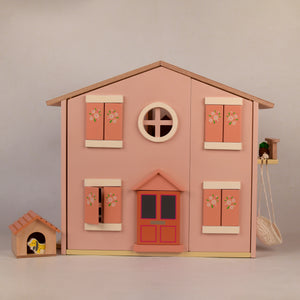
Educational Toys: Shaping Eco-Conscious Stewards in India
Sustainable educational toys profoundly shape environmental awareness and foster lifelong learning in Indian children by providing hands-on experiences with natural materials and eco-friendly concepts from a young age. These thoughtful playthings instill values of respect for nature, critical thinking, and responsibility, cultivating future stewards who understand their role in protecting our planet. Child development experts agree that early exposure to such stimuli significantly influences a child's long-term environmental perspective.
For environmentally aware Indian parents, choosing toys is a deliberate act, aligning with a broader philosophy of mindful living. This guide explores how SkilloToys, India's leading Montessori educational toys store in Bengaluru, supports families in nurturing children who are not just learners, but active participants in building a sustainable future. It’s about equipping them with both knowledge and a deep-seated connection to the earth, starting right in their homes.
What are Sustainable Educational Toys?
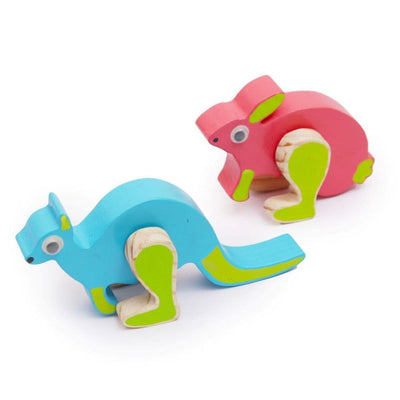
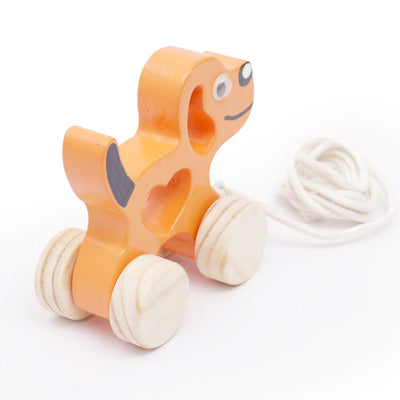
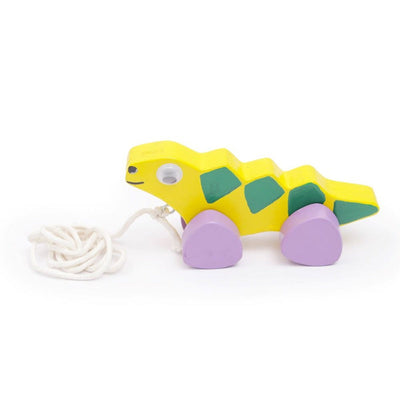
Sustainable educational toys are meticulously crafted from natural, renewable, or recycled materials, designed for durability and open-ended play that supports a child's holistic development. This matters because they reduce environmental impact while fostering creativity, problem-solving, and a deep connection to the natural world. Indian parents can choose these toys to align play with their family's eco-conscious values.
Nurturing Future Stewards: The Core of Environmental Education for Kids
The concept of 'nurturing future stewards' goes beyond simple environmental education for kids; it's about fostering a profound sense of responsibility and connection to the planet. Research shows that children who engage with nature-based play are more likely to develop pro-environmental behaviors and values in adulthood. This foundation is laid through tactile experiences, observation, and imaginative play that mirrors real-world ecological principles.
In Indian homes, where respect for nature often runs deep through cultural traditions and festivals like Holi and Diwali, integrating this stewardship into daily life is natural. Sustainable educational toys serve as tangible links to these values, allowing children to understand cycles, materials, and their own impact. They learn through doing, rather than just hearing, making the lessons resonate more deeply.
The Montessori Approach: Building Blocks for Eco-Conscious Parenting India
The Montessori approach to education, championed by Maria Montessori, naturally aligns with eco-conscious parenting India is increasingly embracing. This philosophy emphasizes self-directed activity, hands-on learning, and collaborative play, often utilizing natural, durable materials. SkilloToys embodies this spirit by offering materials that are not only developmentally appropriate but also environmentally sound.
Montessori classrooms, much like an ideal Indian home environment, are prepared spaces that encourage children to explore and understand their world through carefully selected tools. Materials like the Pink Tower, Sandpaper Letters, or Geometric Solids are typically made from wood, demonstrating sustainability through their quality and longevity. This approach cultivates a sense of order, concentration, and respect for both objects and the environment they represent.
Choosing Montessori-inspired items, such as beautifully crafted wooden puzzles or engaging activity kits that explore plant life, allows children to engage deeply with concepts of sustainability. This fosters an intrinsic motivation to care for resources, a value that Indian grandparents often pass down through generations, emphasizing mindful consumption and gratitude for nature's bounty.
Beyond Playtime: How Kids Learning Toys Foster Lifelong Skills
The true power of sustainable kids learning toys extends far beyond immediate entertainment; they are instruments for fostering lifelong skills crucial for future stewards. These toys are designed to be open-ended, promoting critical thinking, problem-solving, and creativity – skills vital for addressing complex environmental challenges. Experts suggest that early childhood exposure to sustainable practices significantly boosts cognitive development and empathy, preparing children for a world that demands innovative solutions.
When children engage with materials that reflect real-world properties, such as water flow in a natural science kit or building structures with untreated wooden blocks, they develop a foundational understanding of physics, engineering, and ecological balance. This experiential learning is far more impactful than rote memorization, building a curious and resilient mindset. The Better India recently highlighted the importance of keeping kids' enthusiasm and curiosity alive indoors, and sustainable toys offer countless avenues for this, even when outdoor play is limited.
Parents can explore a wide range of Montessori educational materials at SkilloToys that align with these principles, ensuring every playtime is a valuable learning opportunity. These are not just toys; they are tools for cultivating a lifelong love of learning and a proactive stance towards environmental responsibility.
Making Mindful Choices: Sustainable Educational Toys for Every Indian Home
Integrating sustainable educational toys into every Indian home is a practical step towards nurturing eco-conscious families. It means prioritizing quality over quantity, choosing items that are safe for children and the planet, and supporting brands that align with ethical values. From a toddler (18-24 months) grasping a wooden stacking toy to a primary schooler engaged with a build-your-own compost kit, the learning journey is continuous and impactful.
Consider the benefits: reduced exposure to harmful chemicals, teaching children about resource conservation, and supporting fair trade practices. When parents choose a durable wooden toy over a plastic one, they are making a statement about their values and showing their children that choices have consequences. This thoughtful selection extends to every aspect of parenting, from school projects to daily routines, embedding a sustainable ethos.
By choosing sustainable educational toys, Indian parents empower their children to grow into thoughtful, responsible adults who understand their place in the world. They become advocates for the environment, armed with a deep understanding cultivated through play. This proactive approach ensures that the next generation is well-prepared to tackle environmental challenges, equipped with both knowledge and compassion.
- Sustainable educational toys are crucial for fostering environmental awareness in Indian children.
- The Montessori approach naturally supports eco-conscious values and lifelong learning.
- Choosing eco-friendly toys cultivates future stewards responsible for the planet.
- Early exposure to natural materials through play builds a deep respect for nature.
- These toys enhance cognitive skills, problem-solving, and creativity in kids.
- Indian parents play a pivotal role in shaping their children's environmental values through toy choices.
Frequently Asked Questions (FAQs)
What makes an educational toy sustainable?
An educational toy is sustainable if it is crafted from natural, renewable, or recycled materials like wood, bamboo, or organic cotton, designed for durability and open-ended play. It also prioritizes ethical production processes and minimal environmental impact throughout its lifecycle.
How do Montessori toys promote environmental awareness?
Montessori toys inherently promote environmental awareness through their use of natural materials, focus on practical life skills, and connection to nature. They encourage hands-on exploration and respect for the world, fostering a deep appreciation for ecological balance from a young age.
Are sustainable toys more expensive for Indian parents?
While the initial cost of sustainable educational toys might sometimes be slightly higher, their exceptional durability, timeless design, and long-term developmental benefits offer significant value. They are an investment in quality, often lasting generations, reducing the need for frequent replacements.
At what age should I introduce sustainable educational toys?
Sustainable educational toys can be introduced from infancy, with options tailored for various developmental stages, such as wooden rattles for babies or intricate puzzles for preschoolers. The key is selecting age-appropriate toys that encourage natural exploration and sensory engagement.
How can parents encourage eco-conscious habits beyond toys?
Parents can encourage eco-conscious habits by involving children in daily practices like waste segregation, gardening, conserving water during bathing, and celebrating festivals mindfully. Leading by example and discussing environmental responsibility in simple terms reinforces the values taught through sustainable play.