Educational Toys: Sustainable Care for Lasting Joy
Educational toys can last for generations when families adopt mindful practices for their care, repair, and responsible end-of-life management, significantly reducing environmental impact. This guide offers practical strategies for eco-conscious Indian parents to extend the lifespan of their child's beloved learning materials.
Sustainable toy care involves proactive maintenance, timely repairs, and eco-conscious disposal methods to maximise the lifespan of children's playthings. This matters because it reduces waste, conserves resources, and instils valuable lessons in responsibility and respect for belongings in children. Indian parents can implement simple routines to ensure their educational toys remain cherished and functional for years.
Why Sustainable Toy Care Matters for Indian Families
Investing in high-quality educational toys represents a significant, long-term commitment for Indian parents, and their longevity directly supports both financial prudence and environmental stewardship. Research shows that extending the life of products, including children's toys, significantly reduces their overall carbon footprint and minimises landfill waste, aligning perfectly with global and national sustainability goals. For many Indian households, especially those with large or joint families, items are often cherished and passed down through generations. This deep-rooted practice not only conserves resources but also weaves a beautiful tapestry of shared memories, creating cherished family heirlooms rich with stories and sentimental value. The growing trend towards conscious consumption, as highlighted by initiatives like Coodle redefining new-age parenting with safe, sustainable, and pre-loved baby gear, further underscores this important shift towards mindful choices in India. Studies indicate that globally, millions of toys end up in landfills annually, contributing to significant plastic pollution; adopting sustainable care practices directly counters this alarming statistic by reducing the demand for new items and preventing unnecessary waste across India.
Everyday Habits for Montessori Toy Longevity
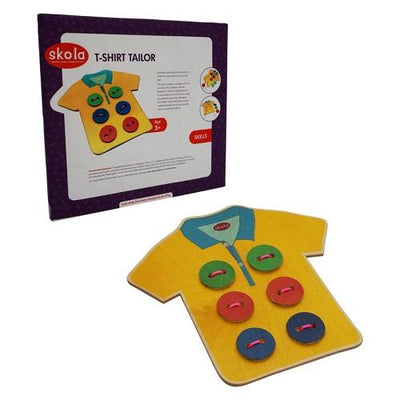
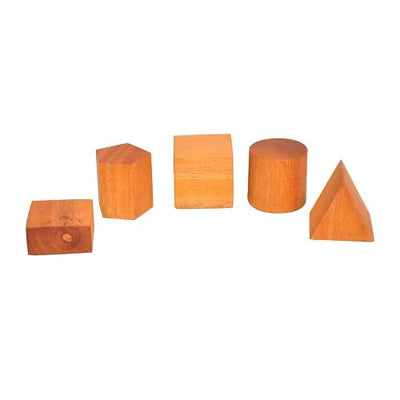
Consistent, gentle care is fundamental to maintaining the quality, safety, and educational integrity of Montessori materials and all educational toys. Maria Montessori herself profoundly emphasised respect for materials, a core principle that directly translates into proper cleaning, thoughtful storage, and careful handling. For instance, wooden toys, beloved for their natural feel and durability, thrive with a simple wipe-down using a damp cloth and mild, child-safe soap, followed by thorough air drying to prevent warping or mould. Harsh chemicals should always be avoided. Iconic Montessori items like the Pink Tower or Brown Stair should be stored neatly on designated shelves, preventing scratches, chipping, or component loss, thus preserving their precision and aesthetic appeal. For textile-based educational toys, such as soft puzzles or fabric books, and even engaging activityKits, regular gentle washing and air drying ensure they remain hygienic, vibrant, and safe for continuous play, simultaneously instilling healthy habits of cleanliness and order in children. Discover more high-quality, durable learning resources designed for lasting engagement in our main collection of Montessori learning materials and toys.
The Art of Repair: Extending the Life of Your Educational Toys
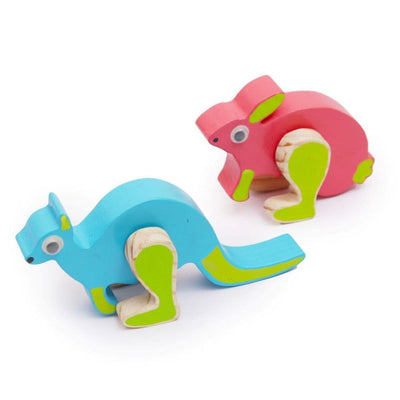
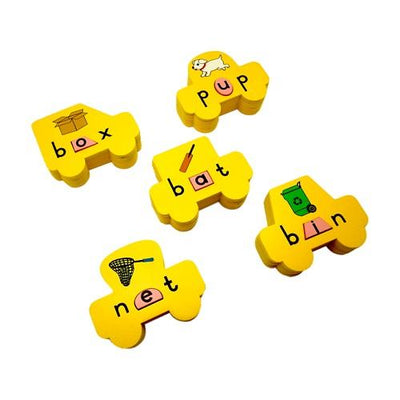
Repairing broken educational toys is not just a practical act; it's a powerful statement of sustainability, embodying the resourceful spirit often seen in Indian households, akin to the concept of 'jugaad' (innovative fixes). Instead of the immediate inclination to discard a damaged item, minor repairs can often restore full functionality, granting beloved toys a significant new lease on life. A detached wheel from a wooden toy car, a loose puzzle piece, or a slightly torn page in a sturdy board book can often be fixed with simple tools and a little patience. Utilising child-safe wood glue for wooden puzzles, carefully stitching up a fabric doll, or replacing worn-out parts on complex educational toys can prevent premature disposal. This process also offers a wonderful opportunity to involve older children, teaching them valuable practical skills, fostering a sense of responsibility for their belongings, and demonstrating the environmental benefit of repairing over replacing. The wisdom of grandparents, who often have a knack for mending and repurposing, serves as a great inspiration here.
Eco-Friendly Toy Disposal: Responsible End-of-Life Choices in India
When an educational toy has genuinely reached the end of its functional and repairable life, responsible disposal becomes paramount to minimise its environmental impact and avoid contributing to India's growing landfill crisis. This involves making thoughtful, eco-conscious choices beyond simply throwing items into the bin. If toys are still in good, usable condition but no longer age-appropriate for your child, consider donating them. Many local orphanages, government schools, community centres, and NGOs across Bengaluru and other Indian cities eagerly welcome pre-loved educational items, ensuring they continue to benefit other children who might not have access to such resources. For truly irreparable items, explore local recycling facilities for materials like plastic or metal, or creatively repurpose components for art projects, further diverting waste from landfills. Studies show that effective recycling infrastructure for diverse materials is still developing across India, making mindful consumption, extended product life cycles, and careful sorting for recycling even more critical for environmental protection and to reduce toy waste India.
Beyond Your Home: Giving Educational Toys a Second Life
The concept of a circular economy for educational toys extends far beyond personal care, embracing community sharing, gifting, and even resale, thereby amplifying their positive impact and sustainable journey. This comprehensive approach not only benefits the environment by reducing demand for new manufacturing but also makes quality learning materials accessible to a wider range of families. Many Indian families naturally practice passing down toys to younger siblings, cousins, or friends, a deeply ingrained tradition that inherently supports longevity and resourcefulness while strengthening family bonds. Furthermore, the rise of online platforms for pre-loved items, or local community groups focused on swapping, offer excellent avenues for reselling or gifting well-maintained educational toys. This ensures they continue their learning journey with new children, reducing consumerism and fostering a sense of shared community resources. This perfectly mirrors the ethos of 'Holidays with a Heartbeat' and conscious living now gaining traction across India, where shared experiences and sustainable choices are increasingly prioritised over transient consumption. Even creative activityKits can often find a second life when carefully maintained and passed on to another curious child.
- Educational toys have an extended lifespan with diligent care and responsible practices.
- Consistent cleaning and proper storage are essential for maintaining the quality and safety of learning materials.
- Repairing broken toys promotes resourcefulness and significantly reduces waste.
- Donating or repurposing age-inappropriate but functional toys supports community learning.
- Choosing eco-friendly disposal methods prevents irreparable toys from harming the environment.
- The circular economy model for toys benefits both the planet and financially savvy Indian families.
How often should I clean wooden educational toys?
Wooden educational toys should be cleaned regularly, typically once a week or more frequently if shared or visibly soiled. A gentle wipe with a damp cloth and mild, child-safe soap followed by air drying is sufficient to maintain hygiene and prevent material degradation.
Can broken educational toys be repaired?
Yes, many broken educational toys, especially those made from durable materials like wood, can be effectively repaired. Minor issues like detached parts can often be fixed with child-safe glues, while fabric toys can be mended, extending their usability and reducing waste.
What is the best way to store Montessori materials?
Montessori materials are best stored in an organised, accessible manner on low shelves, allowing children to choose and return items independently. Proper storage in their designated places prevents damage, keeps all components together, and teaches children respect for their learning tools.
Where can I donate old educational toys in India?
In India, old educational toys in good condition can be donated to local orphanages, government schools, community centres, or NGOs focused on child development. Many cities also have local collection drives or initiatives for pre-loved children's items, like those seen in Bengaluru.
Why is toy longevity important for child development?
Toy longevity teaches children valuable lessons in care, responsibility, and gratitude for their possessions. It also encourages deeper engagement with fewer, high-quality items, fostering concentration and respect for materials, which aligns with core Montessori principles.