Educational Toys: Sustainable Choices for Indian Parents
Choosing sustainable educational toys offers profound benefits for a child's development and the planet, providing safer materials, encouraging deeper learning, and fostering environmental values from a young age. Indian parents can identify these toys by focusing on certifications, durable natural materials, and brands committed to ethical production. This guide empowers families to make informed choices that align with a mindful lifestyle.
In India, where traditional values often intersect with modern aspirations, the emphasis on a child's holistic growth is paramount. As more parents become environmentally aware, questions arise about how to integrate sustainability into every aspect of family life, including playtime. This comprehensive resource demystifies the world of eco-conscious toy buying, providing a clear path for environmentally thoughtful Indian families.
What Are Sustainable Educational Toys?
Sustainable educational toys are playthings designed with minimal environmental impact throughout their lifecycle, from sourcing to disposal, while also promoting cognitive, physical, and emotional growth. This matters because these toys contribute to a healthier planet for future generations and provide safer, more enriching play experiences. Indian parents can proactively seek out products that embody these principles for their children.
These toys are typically crafted from renewable, recycled, or biodegradable materials and produced through ethical labor practices. They are built to last, reducing waste and encouraging a 'buy less, choose well' philosophy, which resonates deeply with the Indian ethos of preservation and resourcefulness. As brands like Kidbea increasingly focus on conscious consumerism, the availability of such products is growing.
The Core Benefits of Sustainable Educational Toys for Indian Children
Investing in sustainable educational toys provides a multitude of advantages that extend beyond just environmental protection. Research indicates that children who engage with open-ended, natural material toys often develop stronger problem-solving skills and creativity. These toys stimulate imagination without relying on electronic prompts or excessive features.
For Indian families, particularly those in joint family setups, these toys offer shared, multi-generational play experiences, fostering connection. Studies consistently show that exposure to natural materials during play can enhance sensory development and reduce exposure to harmful chemicals often found in conventional plastic toys, ensuring a healthier play environment for our little ones. This is especially relevant as Indian families spend more time indoors during winter months, making engaging and safe toys crucial for keeping curiosity alive.
Enhanced Safety and Well-being
Sustainable toys prioritize your child's health by avoiding toxic chemicals, lead paints, and phthalates commonly found in conventional plastics. Made from natural materials like wood, organic cotton, or natural rubber, they are inherently safer for curious toddlers who explore with their mouths. This peace of mind is invaluable for parents.
Fostering Environmental Consciousness
Choosing sustainable toys introduces children to the concept of environmental responsibility from a young age. By playing with toys made from natural or recycled materials, children subconsciously learn to value resources and understand their connection to the natural world. This early exposure helps cultivate future stewards of the planet.
Durability and Longevity
Unlike flimsy plastic toys that often break and end up in landfills, sustainable educational toys are built to withstand years of play. Their robust construction ensures they can be passed down through siblings or even generations, reducing waste and offering excellent value for money. This durability aligns with a pragmatic Indian mindset.
Identifying Truly Eco-Friendly Learning Toys
Navigating the market for sustainable toys requires a discerning eye. It's essential to look beyond greenwashing and understand what truly makes a toy eco-friendly. From materials to production processes, transparency is key.
Material Matters: What to Look For
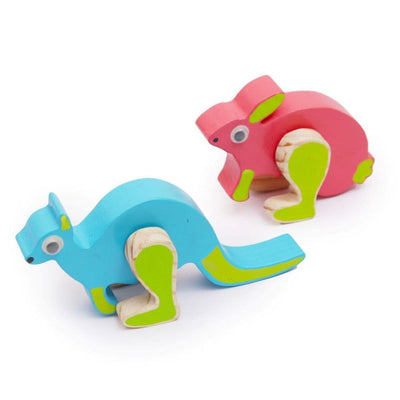
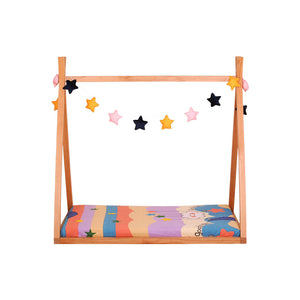
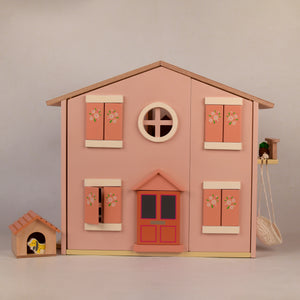
Prioritize toys made from renewable resources like FSC-certified wood, bamboo, or cork. Organic cotton, natural rubber, and recycled plastics are also excellent choices. Avoid toys with excessive plastic packaging, and opt for those with non-toxic, water-based paints and finishes. For instance, carefully crafted wooden puzzles or engaging activity kits made from recycled paper promote fine motor skills and cognitive development without environmental compromise.
Certifications and Ethical Production
Look for trusted certifications such as the Forest Stewardship Council (FSC) for wood products, the Global Organic Textile Standard (GOTS) for fabrics, or B Corp certification for companies. These signify a commitment to environmentally and socially responsible practices. Ethical labor and fair trade practices in manufacturing are equally crucial, ensuring the entire supply chain is sustainable.
Packaging and End-of-Life
Sustainable choices extend to how toys are packaged and what happens to them after their useful life. Opt for toys with minimal, recyclable, or compostable packaging. Consider a toy's recyclability or biodegradability, or its potential for repair or repurposing when it eventually reaches the end of its life cycle. This complete lifecycle thinking is vital.
The Montessori Connection: Timeless Values, Modern Impact
Maria Montessori's philosophy, deeply rooted in respecting the child and their environment, naturally aligns with the principles of sustainability. Montessori educational toys are designed to be simple, beautiful, and made from natural materials, encouraging focused, hands-on learning.
Montessori materials, such as the pink tower or sandpaper letters, are often made from durable wood, built to last and be passed down. This emphasis on quality over quantity and timeless design perfectly complements the sustainable parenting movement in India. Exploring a range of Montessori educational toys ensures a rich, developmentally appropriate environment for children that is also kind to the planet.
Practical Steps for Indian Parents Making Eco-Conscious Choices
Embracing sustainable toy buying doesn't have to be overwhelming. Here are practical steps for Indian parents to integrate eco-consciousness into their child's playtime, especially during festive gifting seasons or when preparing for school.
Curate, Don't Accumulate
Instead of buying many toys, focus on a curated collection of high-quality, versatile, and open-ended items. A few well-chosen sustainable toys offer more developmental benefits than a room full of disposable plastic ones. This approach also reduces clutter, a common challenge in many Indian homes.
Support Local and Small Businesses
Seek out Indian brands and artisans who create sustainable educational toys. Supporting local businesses often means reduced carbon footprints from transportation and empowers local economies. Plus, these products frequently reflect cultural aesthetics and are made with traditional craftsmanship.
Embrace Repair and Reuse
Teach children the value of their possessions by repairing broken toys rather than discarding them. Encourage toy swaps with friends or family, and consider buying pre-loved toys. This circular economy approach is inherently sustainable and teaches valuable lessons about resourcefulness, a cornerstone of Indian culture.
Just as India sees a surge in sustainable infrastructure projects, from smart cities to the recent Studio Saar-designed factory in Madhya Pradesh, the consumer market for conscious parenting is also evolving. By choosing sustainable educational toys, Indian parents are not only investing in their child's future but also actively contributing to a healthier, more sustainable world for generations to come.
- Choosing sustainable educational toys provides safer play environments, free from harmful chemicals.
- These toys foster a child's creativity and problem-solving skills through open-ended engagement.
- Sustainable toys are typically made from durable, natural materials like FSC-certified wood or organic cotton, ensuring longevity.
- Recognized certifications (e.g., FSC, GOTS, B Corp) are key indicators of truly eco-friendly and ethically produced toys.
- Montessori educational principles naturally align with sustainability, prioritizing natural materials and timeless design.
- Indian parents can make impactful choices by curating collections, supporting local brands, and embracing repair and reuse practices.
Why are sustainable educational toys important for children in India?
Sustainable educational toys are important for Indian children as they provide safer, non-toxic play, promote environmental awareness from a young age, and often encourage deeper, more open-ended learning experiences. They also model responsible consumption, a critical value in today's world.
What materials should I look for when buying eco-friendly learning toys?
When seeking eco-friendly learning toys, prioritize materials like FSC-certified wood, organic cotton, natural rubber, recycled plastics, and non-toxic water-based paints and finishes. These choices minimize environmental impact and ensure child safety, aligning with traditional Indian values of natural living.
How do I know if an educational toy is truly sustainable?
To identify a truly sustainable educational toy, look for recognized certifications such as FSC for wood, GOTS for textiles, or B Corp status for companies, which indicate ethical and environmentally responsible practices. Transparent sourcing, durable design, and minimal packaging are also key indicators of a brand's commitment to sustainability.
Are Montessori educational toys considered sustainable?
Yes, Montessori educational toys are inherently sustainable due to their emphasis on natural, durable materials, timeless design, and open-ended nature that promotes long-term use. Their focus on quality over quantity and child-led exploration aligns perfectly with eco-conscious parenting principles.
Are sustainable educational toys more expensive in India?
Initially, sustainable educational toys might appear to have a higher upfront cost compared to mass-produced plastic alternatives in India. However, their superior durability, timeless design, and educational value often lead to greater longevity and reusability, proving more cost-effective and valuable in the long run.
How can Indian parents incorporate sustainable toys into their child's playtime?
Indian parents can incorporate sustainable toys by curating a smaller collection of versatile, high-quality items, encouraging open-ended play, and involving children in caring for their toys. Opt for locally sourced products where possible, reuse and repair, and pass down toys through generations, fostering a culture of mindful consumption.