Educational Toys: Sustainable Lifecycle for Indian Kids
Educational toys play a crucial role in a child's development, and for environmentally aware Indian parents, understanding their full lifecycle is becoming paramount. Choosing sustainable educational toys means embracing products thoughtfully crafted, durable enough for years of joyful play, and responsibly managed from their origin to eventual repurposing. This approach not only nurtures young minds but also instills values of conscious consumption, reflecting a growing commitment to a healthier planet within Indian homes.
Sustainable educational toys are playthings designed, produced, used, and disposed of in ways that minimise environmental harm and maximise social benefit. This matters because they foster conscious consumption and connect children to nature. Indian parents can choose toys made from renewable materials, supporting both learning and a healthier planet.
The Birth of a Toy: Sustainable Manufacturing in India
The journey of a sustainable toy begins long before it reaches your child's hands, often rooted in conscious sourcing and ethical production. In India, a burgeoning movement towards sustainable toy manufacturing India focuses on local resources and craftsmanship. This means choosing materials like FSC-certified wood from managed forests, organic cotton, natural rubber, or even innovative plant-based plastics over conventional, petroleum-derived alternatives.
Child development experts agree that the material composition of a toy influences not just its safety, but also the sensory experience for the child. The tactile warmth of a wooden block or the soft texture of organic cotton provides a richer, more grounded interaction than synthetic materials. Research shows that engaging with natural materials fosters a deeper connection to the environment, aligning with the Montessori philosophy that emphasises learning through sensory exploration.
Just as Sonika Bhasin championed washable cloth diapers for their environmental benefits, sustainable toy manufacturing reflects a similar commitment to reducing ecological footprints. These processes often involve lower energy consumption, minimal waste generation, and fair wages for artisans, supporting local economies and upholding ethical labour practices across the supply chain. When a toy is made with care, that intention permeates its entire lifecycle.
Mindful Play: Nurturing Growth with Lasting Educational Toys
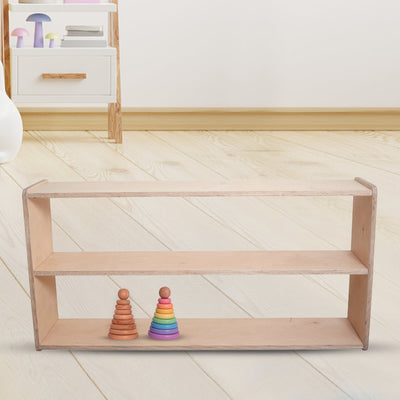
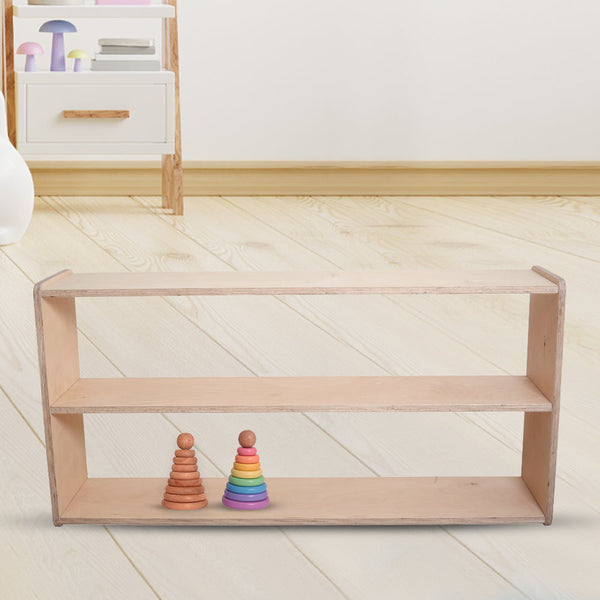
Once a sustainable toy enters your home, its lifecycle shifts to mindful play, an essential phase for a child's holistic development. Unlike many disposable plastic toys that quickly lose their appeal, sustainable and Montessori educational toys are designed for open-ended play, encouraging imagination and problem-solving. A simple set of wooden Montessori materials, for instance, can be a tower today, a train tomorrow, and a pattern-making challenge the day after.
This durability is particularly valued in Indian households, where toys are often passed down through siblings or cousins in joint families, becoming cherished heirlooms. Grandparents, in particular, often appreciate the longevity and timelessness of these toys, recalling their own childhoods with simpler, more robust playthings. Studies indicate that toys that promote imaginative and self-directed play, rather than just passively entertaining, significantly boost cognitive development and creativity in children aged 18-24 months and beyond.
Choosing mindful play products means investing in tools that grow with your child, offering varied learning opportunities at different developmental stages. A toddler might stack colourful wooden rings, while an older child might use them to understand fractions. This longevity reduces consumption, aligns with the 'use it up, wear it out, make it do, or do without' ethos, and teaches children the value of their possessions.
The Next Chapter: Toy Recycling & Repurposing for Indian Homes
The final, yet often overlooked, stage in the montessori toy lifecycle is its end-of-life management. For sustainable toys, this doesn't mean simply throwing them away. With growing awareness about waste management, toy recycling India is slowly evolving, though still presents unique challenges for parents.
However, the very nature of sustainable toys lends itself well to repurposing. A sturdy wooden shape sorter, once outgrown, might become a decorative storage box for craft supplies, or its individual shapes can be incorporated into a collage. Old organic cotton rattles can be disassembled for stuffing into cushions or for textile art projects. This creative reuse extends the toy's utility, reducing landfill waste and fostering a circular economy, much like the Dutch town requiring residents to grow food on their land — an active engagement with sustainability.
Choosing Consciously: Your Role as an Indian Parent
As parents in India, your choices have a profound impact. When selecting educational toys, ask about the materials, the manufacturing process, and the brand's commitment to sustainability. Prioritise quality over quantity, and look for items that offer open-ended play opportunities. By choosing brands like SkilloToys, you're investing in products that align with eco-conscious values, supporting both your child's growth and the planet's health.
Consider involving your children in the lifecycle discussion. Explain where their wooden blocks come from or how old fabric toys can be transformed into something new. This practical engagement teaches them valuable lessons about resourcefulness and environmental responsibility, making them active participants in a sustainable future. Explore our collection of Montessori activity kits and learning materials, crafted to support this mindful approach to play and development.