Educational Toys: Truly Sustainable Choices for Indian Kids
When selecting educational toys for their children, environmentally aware Indian parents are increasingly looking beyond simple 'eco-friendly' labels. Truly sustainable educational toys are those thoughtfully designed and produced with minimal environmental impact throughout their entire lifecycle, ensuring a healthier planet for our little ones.
This deep dive explores what makes a toy genuinely sustainable, from its core materials to its end-of-life, providing a comprehensive guide for families in Bengaluru and across India making mindful choices.
What is a Truly Sustainable Educational Toy?
A truly sustainable educational toy is a product designed, manufactured, and distributed with minimal ecological footprint, prioritizing ethical labor practices and long-term durability. This matters because it ensures children learn and grow with products that don't harm their future environment. Indian parents can identify these toys by examining materials, manufacturing transparency, and the product's potential for reuse and recycling.
The Heart of Sustainability: Toy Material Choices for Indian Homes
The materials used are the foundation of a toy's sustainability. Child development experts agree that natural, non-toxic materials are superior for both children's health and the environment. For Indian households, this often means embracing materials that resonate with traditional values of purity and natural connection.
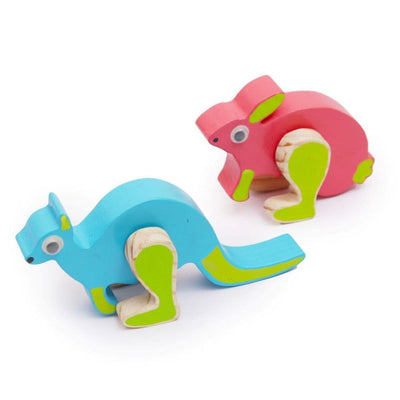
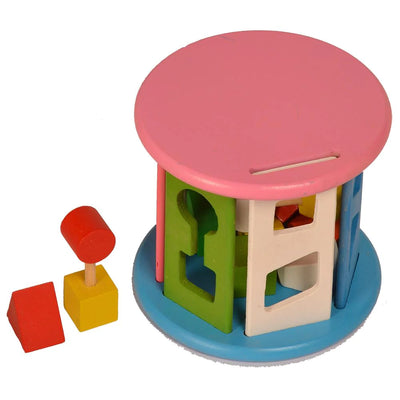
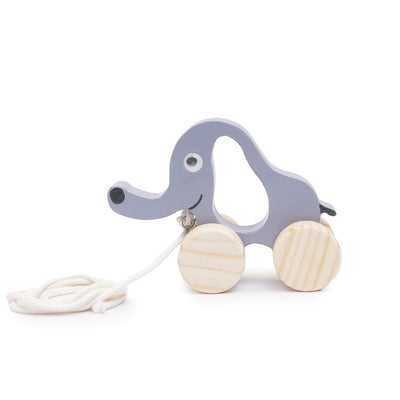
FSC-Certified Wood: Wood is a perennial favourite, and when sourced from sustainably managed forests (FSC-certified), it’s an excellent choice. Montessori materials like the Pink Tower or Brown Stair are classic examples where high-quality wood offers tactile learning experiences. Studies indicate that toys made from natural materials enhance sensory development more effectively than plastic alternatives. For a wide range of skill-building resources, consider exploring wooden activity kits designed for hands-on engagement.
Organic Cotton and Natural Rubber: For softer toys, organic cotton avoids harmful pesticides, while natural rubber offers a safe, biodegradable alternative to synthetic plastics. These are perfect for infants and toddlers (e.g., 6-18 months) who explore toys orally, ensuring no harmful chemicals are ingested.
Plant-Based Bioplastics: While plastic is often seen as unsustainable, innovations in plant-based bioplastics derived from corn starch or sugarcane offer a more eco-conscious option. These are often biodegradable or compostable, representing a significant step forward for durability without lasting environmental burden.
Beyond the Factory Floor: Ethical Manufacturing & Supply Chains
A toy's journey from raw material to a child's hand is critical. Ethical toy manufacturing ensures fair wages, safe working conditions, and no child labour, aligning with the values of conscious parenting that are gaining traction across India, as seen with initiatives promoting sustainable and pre-loved baby gear.
Transparency and Certifications: Reputable brands provide transparency about their supply chains, often holding certifications like ICTI CARE or Fair Trade. Research shows that consumers are increasingly willing to support companies with clear ethical standards. This transparency helps parents trust that their chosen educational toys are made with integrity, reflecting a 'Holidays with a Heartbeat' approach to everyday consumption.
Reduced Carbon Footprint: Sustainable manufacturers strive to minimize energy consumption, reduce waste, and use renewable energy sources in their factories. Choosing toys from brands committed to local production or efficient shipping further lowers their carbon footprint, benefiting our shared environment.
Durability and Longevity: Investing in Toys That Last Generations
A truly sustainable toy is one that endures. In Indian homes, where the tradition of passing down items is deeply ingrained, durable educational toys fit perfectly. They resist wear and tear, allowing them to be cherished by multiple children, much like treasured family heirlooms.
Timeless Design: Montessori-inspired educational toys, like those found in the Montessori method learning materials collection, are often designed with timeless appeal, transcending fleeting trends. This focus on foundational learning principles ensures the toys remain relevant and engaging for years, promoting consistent use and reducing the need for constant replacements. Maria Montessori herself emphasized materials that would last and facilitate deep learning over time.
Repairability: The ability to repair a toy extends its life significantly. Brands that offer replacement parts or guidance on minor repairs empower parents to keep toys in circulation, fostering a culture of mindful consumption over disposability. This aligns with the broader societal shift towards sustainable care models and mindful consumption.
Embracing Circularity: Reuse, Recycle, & Upcycling in Indian Families
The end-of-life stage of a toy is just as important as its beginning. A sustainable toy should be designed for easy recycling, composting, or even upcycling, closing the loop on its material journey. This circular economy approach is vital for minimizing landfill waste, a growing concern in urban India.
Designed for Disassembly: Toys made from single materials or easily separable components are more straightforward to recycle. For instance, wooden blocks can be repurposed or composted, while natural rubber teethers biodegrade. Parents can seek out brands that clearly state how their products can be responsibly disposed of or recycled.
Upcycling and Hand-Me-Downs: The tradition of hand-me-downs in joint families is a natural form of toy circularity. Furthermore, some worn-out wooden or fabric toys can be creatively upcycled into decorative items or new playthings, adding another layer of sustainability. This approach ensures that the toy's utility extends far beyond its initial purpose, echoing the values of conscious resource management.
Making Mindful Choices: A Parent's Guide to Green Educational Toys India
Choosing truly sustainable educational toys is a powerful way for Indian parents to invest in their child's future and the planet's well-being. Look beyond surface claims and delve into the specifics of a toy's entire journey.
Prioritize brands that are transparent about their materials, ethical practices, and commitment to durability. By doing so, you're not just buying a toy; you're supporting a philosophy that nurtures both your child's development and a greener India for generations to come.
- Truly sustainable educational toys prioritize materials, ethical manufacturing, and longevity over fleeting trends.
- FSC-certified wood, organic cotton, and natural rubber are superior material choices for eco-friendly learning toys.
- Ethical toy manufacturing ensures fair labor practices, safe conditions, and a reduced carbon footprint.
- Durable, timeless educational toys promote multi-generational use and reduce waste in Indian homes.
- A circular approach encourages reuse, upcycling, and proper recycling of green educational toys India.
- Transparency from toy brands regarding their supply chain and environmental commitments is crucial for informed parenting choices.
Are sustainable educational toys more expensive in India?
Initially, sustainable educational toys might have a higher upfront cost compared to conventional plastic options. However, their superior durability, timeless design, and long-term play value often make them more cost-effective over time, reducing the need for frequent replacements.
How can Indian parents verify a toy's sustainability claims?
Parents should look for clear information on material sourcing, manufacturing processes, and ethical certifications. Reputable brands provide transparency on their websites, detailing their commitment to eco-friendly practices and worker welfare. Don't hesitate to contact manufacturers directly for specifics.
What are the best sustainable materials for educational toys?
The best sustainable materials include FSC-certified wood, organic cotton, natural rubber, and plant-based bioplastics. These materials are renewable, non-toxic, and often biodegradable, offering a safer and more eco-conscious play experience for children.
How do sustainable toys benefit my child's development?
Sustainable educational toys, often made from natural materials with open-ended designs, encourage sensory exploration, creativity, and problem-solving. Their durability promotes long-term engagement and respect for resources, aligning with holistic development principles advocated by Maria Montessori.
Can sustainable educational toys be passed down through generations?
Yes, absolutely. High-quality sustainable educational toys are designed for durability and timeless appeal, making them ideal for passing down to younger siblings, cousins, or even future generations. This practice embodies true sustainability by extending a toy's lifecycle and reducing waste.