Environmental Footprint of Toys: A Parent's India Guide
Understanding the full environmental footprint of toys is crucial for every environmentally aware Indian parent seeking to make mindful choices. This footprint encompasses the entire journey of a toy, from the extraction of raw materials to its eventual disposal, impacting our planet's resources and ecosystems. By grasping this lifecycle, Indian families can actively contribute to a greener future for their children, aligning with the growing national emphasis on sustainable industrial development, as exemplified by projects like Studio Saar's sustainable factory design.
As Indian parents navigate the evolving landscape of raising children, marked by new parenting trends, a holistic understanding of product sustainability, including educational toys, becomes increasingly important. This guide will help you decipher the complex journey of toys and empower you to choose wisely for your home and the environment.
What is the Environmental Footprint of Toys?
The environmental footprint of toys is the total impact a toy has on the planet throughout its entire lifecycle, from material sourcing and manufacturing to distribution, use, and disposal. This matters because every stage consumes resources, generates waste, and contributes to emissions, impacting climate change and natural habitats. Indian parents can reduce this footprint by choosing durable, sustainably made, and thoughtfully disposed-of toys.
The Sustainable Toy Lifecycle in India: From Cradle to Classroom
Child development experts agree that children learn best through hands-on interaction, and educational toys are fundamental to this process. However, the true value of a toy extends beyond its educational benefit; it includes its journey through a sustainable toy lifecycle in India. Let's explore each stage and its impact.
Sustainable Sourcing Toys: The Roots of Responsibility
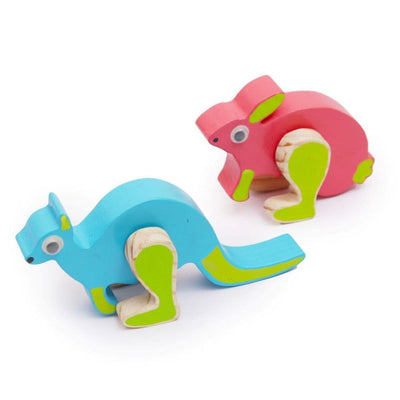
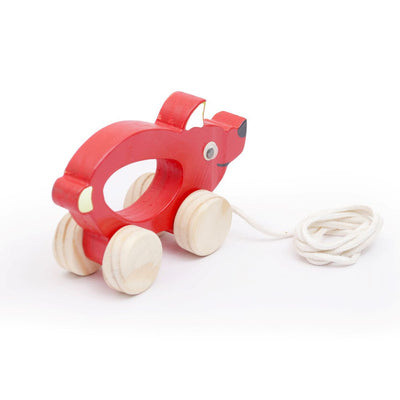
The lifecycle begins with raw materials. Choosing toys made from sustainably sourced materials significantly reduces their environmental impact. Research shows that natural materials like FSC-certified wood, organic cotton, and natural rubber have a far lower footprint than conventional plastics.
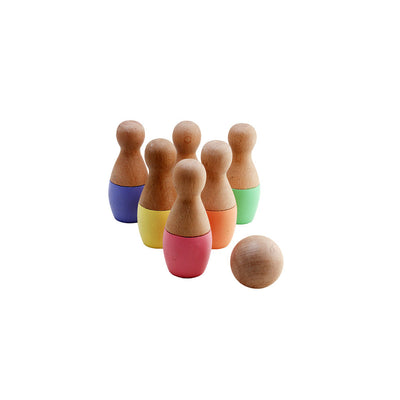
In India, this means supporting local artisans who craft toys from traditional, natural materials like lacquered wood, or selecting brands that transparently source materials ethically. For instance, Montessori materials like the Pink Tower are traditionally made from beechwood, ensuring durability and renewability when sourced responsibly.
Eco-Friendly Toy Manufacturing India: Crafting a Greener Future
After sourcing, materials transform into toys. Eco-friendly toy manufacturing in India focuses on minimising energy consumption, water waste, and pollution during production. This includes using renewable energy, implementing closed-loop systems, and ensuring fair labour practices.
The recent news about Studio Saar designing India's largest sustainable factory in Madhya Pradesh highlights a significant national shift towards greener industrial practices. This trend is a beacon for parents, showing that sustainable production is not just a niche, but a growing standard for products, including your child's educational aids.
Packaging, Distribution, and Longevity: Reaching Homes Responsibly
How toys travel from factory to your home also matters. Minimal, biodegradable packaging made from recycled paper or cardboard reduces waste, especially important given India's plastic waste challenges. Efficient distribution networks can lower carbon emissions.
Crucially, the 'use' phase of a toy’s lifecycle, particularly its durability, has a profound impact. High-quality, open-ended toys, characteristic of the Montessori philosophy, are designed to last years, often being passed down through generations in joint Indian families. This contrasts sharply with flimsy, single-use items that quickly end up in landfills.
Toy Recycling India & Reducing Toy Waste: Nurturing a Circular Economy
What happens when a toy reaches the end of its life? This is where toy recycling in India and efforts to reduce toy waste become critical. Plastic toys, in particular, pose a significant challenge if not properly managed. Studies indicate that millions of tons of plastic waste, including toys, accumulate annually.
Parents can look for recycling initiatives in their cities or consider upcycling projects with older children. Donating gently used toys to community centers or orphanages is another wonderful way to extend their life and benefit others. Choosing toys made from single materials, like solid wood or metal, simplifies future recycling or biodegrading.
Choosing Green Toy Brands in India: A Mindful Approach
As environmentally aware Indian parents, selecting green toy brands in India means looking beyond just the front of the box. Prioritise brands that offer transparency about their entire supply chain, from where materials are sourced to their manufacturing processes and end-of-life solutions. Certifications like FSC (Forest Stewardship Council) for wood or GOTS (Global Organic Textile Standard) for fabrics are excellent indicators of genuine commitment.
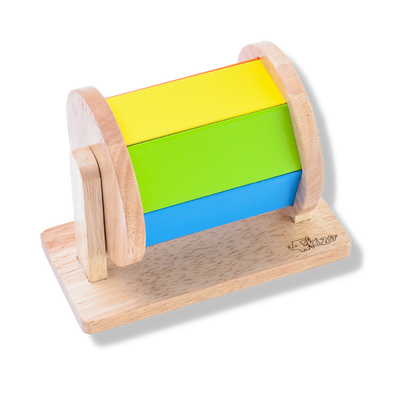
SkilloToys is committed to offering Montessori materials that align with these values, focusing on natural, durable, and ethically produced options that support both your child's development and planetary health. This mindful approach helps reduce the overall environmental footprint of toys in your home.
Practical Steps for Indian Parents to Reduce Toy Waste
Integrating eco-conscious choices into daily parenting in India is simpler than you might think. Here are practical ways to reduce toy waste:
- Buy Less, Choose Quality: Invest in fewer, high-quality, open-ended toys that stimulate imagination and last longer, like classic Montessori materials for children aged 18-24 months.
- Repair and Reuse: Encourage children to participate in repairing broken toys rather than discarding them. A simple repair can extend a toy's life significantly.
- Rotate Toys: As suggested by articles like '6 Ways To Keep Kids’ Enthusiasm and Curiosity Alive Indoors This Winter' from thebetterindia.com, rotating toys keeps them fresh and interesting, reducing the desire for new ones. Store some away and bring them out periodically.
- Donate or Sell: Pass on outgrown toys in good condition to younger siblings, cousins, or local charities. This fosters a sense of community and extends the toy's utility.
- Embrace DIY and Activity Kits: Engage your children with creative projects using everyday household items. Our activityKits offer engaging, often nature-inspired, alternatives that minimise material waste.
Conclusion
Understanding the environmental footprint of toys empowers Indian parents to make choices that resonate with their values and contribute to a healthier planet. By consciously considering the lifecycle of each toy, from its material origins to its eventual destination, we embrace the 'new rules of parenting' that prioritise sustainability and mindful consumption. Every decision, whether choosing a wooden puzzle over a plastic one or opting for responsible disposal, weaves into a larger tapestry of environmental stewardship, creating a sustainable legacy for our children in India.
- The environmental footprint of toys encompasses their entire lifecycle, from raw material to disposal.
- Sustainable sourcing, focusing on materials like FSC-certified wood and organic cotton, significantly reduces a toy's impact.
- Eco-friendly manufacturing practices in India are growing, inspired by initiatives like Studio Saar's sustainable factory design.
- High-quality, durable Montessori toys inherently reduce waste by promoting longevity and intergenerational use in Indian families.
- Reducing toy waste involves buying less, repairing, rotating toys, and responsible recycling or donation.
- Indian parents can actively choose green toy brands that prioritise transparency and ethical production methods.
What materials have the lowest environmental footprint for toys?
Toys made from sustainably sourced wood (FSC-certified), organic cotton, natural rubber, and recycled plastics generally have the lowest environmental footprint. These materials minimise resource depletion and pollution compared to virgin plastics.
How can I find eco-friendly toy brands in India?
To find green toy brands in India, look for certifications like FSC for wood, GOTS for textiles, and transparent information on their sourcing and manufacturing practices. Prioritise brands that focus on natural materials, durability, and minimal packaging.
Is toy recycling available and effective in India?
Toy recycling in India is gaining traction, especially for plastic components, but it is not uniformly widespread. Parents can look for local municipal initiatives, NGO partnerships, or specific brand take-back programs to responsibly dispose of toys.
How can Montessori principles help reduce toy waste in Indian homes?
Montessori principles, which advocate for fewer, high-quality, open-ended toys made from natural materials, inherently reduce toy waste. This approach encourages longer engagement with each item, promotes durability, and lessens the need for frequent replacements.
What is the biggest environmental impact of toys?
Studies indicate the biggest environmental impact of toys often comes from the manufacturing process and the materials used, particularly virgin plastics which consume significant energy and non-renewable resources. Additionally, end-of-life disposal contributes to landfill waste and pollution.