Ethical Toys India: Escaping the Fast Toy Trap
Max Alexander's recent statement in The Times of India, expressing hope that 'we'll get rid of fast fashion,' resonates deeply with a growing sentiment among Indian families. This yearning for sustainability isn't just about clothes; it's extending to every aspect of our lives, especially how we nurture our children. Escaping the 'fast toy' trap means choosing durable, open-ended, and ethically produced playthings over cheap, disposable plastics that quickly lose their appeal, echoing the conscious shift from fast fashion. For Indian parents, this involves prioritizing quality ethical toys India that foster genuine learning and last for generations, reducing waste and supporting mindful consumption.
What is the 'Fast Toy' Trap?
The 'Fast Toy' Trap describes the cycle of purchasing inexpensive, trendy, and often plastic toys that quickly break or bore children, leading to continuous replacements and significant environmental waste. This pattern mirrors fast fashion's disposability, creating clutter and a short-lived play experience. Indian parents can actively break this cycle by seeking sustainable alternatives that offer lasting value.
The Hidden Costs in Our Indian Homes
In our bustling Indian households, from a joint family in Bengaluru to a nuclear family in Delhi, the allure of a cheap, new toy is strong. Yet, the true cost of these 'fast toys' extends far beyond their initial price tag. They contribute to a hidden burden, impacting our environment, our values, and crucially, our children's development.
From Landfills to Little Minds: The Environmental Burden
The sheer volume of plastic waste generated by disposable toys is staggering. Research indicates that over 90% of toys are made of plastic, and many end up in landfills within a year. In a country like India, where waste management is a significant challenge, this contributes to overflowing landfills and microplastic pollution, directly affecting the air our children breathe and the water we consume. The Better India recently highlighted a similar dilemma with disposable diapers, showing a growing awareness among parents like Sonika Bhasin who opt for washable cloth ones instead.
Beyond Plastic: The Ethical Dimension of Play
Just as we question the ethical sourcing of our clothes, we must also consider the origins of our children's toys. Many mass-produced, cheap toys are manufactured with questionable labor practices and materials that might contain harmful chemicals. Choosing ethical toys means supporting fair wages, safe working conditions, and non-toxic materials, ensuring that play is not only fun but also conscientious.
Nurturing Attention, Not Distraction
Child development experts agree that open-ended, simple toys foster creativity and concentration. A 3-year-old in a Bangalore flat, constantly bombarded with new, single-purpose electronic toys, might struggle to develop sustained attention. Maria Montessori famously emphasized that a child's environment should be purposeful, offering materials that invite deep engagement rather than superficial amusement. The constant cycle of 'fast toys' can hinder this, leading to shorter attention spans and less imaginative play.
Embracing Sustainable Play: The SkilloToys Approach
Breaking free from the 'fast toy' trap isn't about deprivation; it's about enrichment. It's about choosing quality over quantity, purpose over fleeting trend. This is where Montessori educational toys truly shine, offering a pathway to sustainable toys for kids that align with conscious parenting choices.
Quality Over Quantity: The Montessori Philosophy
The Montessori philosophy champions fewer, well-chosen materials that invite deep exploration and cater to a child's developmental stage. Instead of a room full of clutter, imagine a curated selection of activity kits or wooden blocks. These items are designed to grow with the child, offering new challenges as skills develop, unlike many disposable toys that quickly lose their appeal.
Durability that Lasts Generations
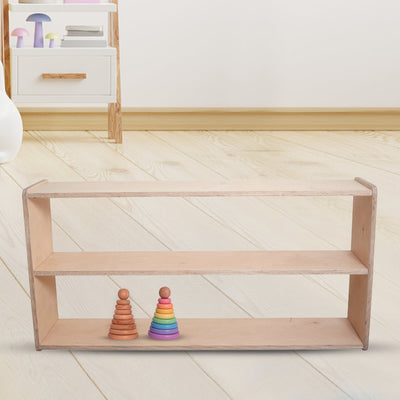
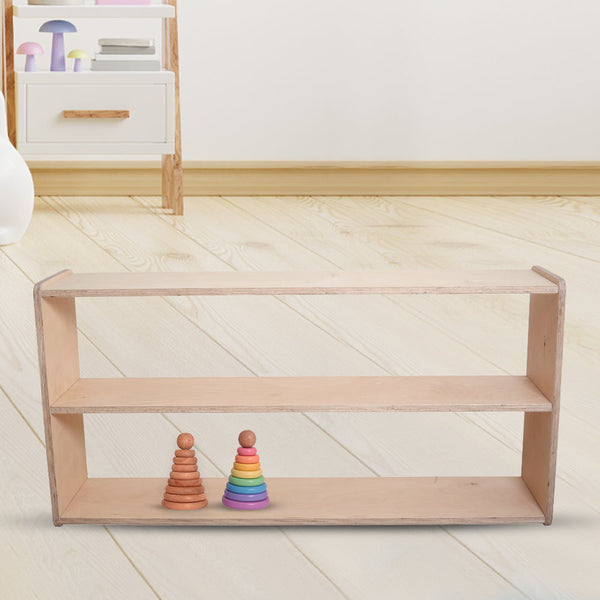
Think of the sturdy wooden cooking sets or traditional brass utensils passed down in Indian families. This same principle applies to durable educational toys. High-quality wooden puzzles, building blocks, or sensorial materials are built to withstand years of play, making them not just toys, but potential heirlooms. This inherent durability naturally helps to reduce toy waste, as items are repaired or cherished rather than discarded.
Open-Ended Play for Holistic Development
Eco-friendly play is often synonymous with open-ended play. A simple set of wooden rings or a stacker allows for endless possibilities, limited only by a child's imagination. This type of play nurtures problem-solving skills, creativity, and independent thinking, unlike battery-operated toys that dictate the interaction. It's the child who brings the magic to the toy, not the other way around.
Making Conscious Parenting Choices in India
For Indian parents, shifting to ethical and sustainable play is a deeply personal, yet culturally resonant journey. It involves rethinking gifting, valuing longevity, and incorporating traditional wisdom.
A Parent's Guide to Reducing Toy Waste
Begin by auditing your current toy collection. Are there toys gathering dust, broken beyond repair, or simply ignored? Consider a 'one in, one out' rule. When a new toy is purchased, an old one (if still usable) is donated or passed on. Focus on materials like wood, organic cotton, and natural rubber. When selecting a new item, ask yourself: Is this durable? Is it versatile? Does it truly engage my child's mind or just entertain momentarily?
Involve the Family: Grandparents and Cultural Values
Grandparents (dadis and nanis) often instinctively gravitate towards sturdy, traditional items, embodying the very essence of sustainable consumption. Involve them in discussions about choosing toys that last, that connect to our culture, and that offer genuine developmental value. The idea of passing down cherished items aligns perfectly with Indian traditions of inheritance and valuing what endures. This collective approach strengthens the message of conscious parenting choices for the entire family.
A New Legacy of Play
Escaping the 'fast toy' trap isn't just about making better purchasing decisions; it's about cultivating a mindset. It's about teaching our children, like 4-year-old Rohan learning to carefully stack wooden blocks, the value of quality, patience, and environmental responsibility. By choosing ethical toys India, we are not just investing in superior play experiences, but in a sustainable future, a legacy that will serve them and the planet for generations to come.