Giving Baby Products a Second Life: Guide for Indian Parents
Giving baby products a second life is a definitive step towards sustainable parenting, offering immense environmental and economic benefits for Indian families. Research shows that extending the lifecycle of baby items significantly reduces landfill waste and conserves precious resources. By embracing reuse, repurposing, donating, or selling, Indian parents can make impactful, eco-conscious choices for their children's future and their community.
Sustainable parenthood is about making thoughtful choices that benefit both your child and the planet. As highlighted by YourStory.com's feature on PyaraBaby, organizations are actively contributing to this circular economy, inspiring parents to adopt similar practices at home. This approach aligns with the mindful living ethos many Indian families cherish, balancing traditional values of resourcefulness with modern environmental awareness.
What is Giving Baby Products a Second Life?
Giving baby products a second life involves extending their utility beyond a single child's use, rather than discarding them after initial wear. This matters because it reduces waste, conserves resources, and eases the financial burden on families. Indian parents can achieve this by consciously choosing to reuse, upcycle, donate, or sell items that are still in good condition, fostering a circular economy for baby products.
Why Sustainable Baby Gear Matters for Indian Families
Embracing sustainable baby gear offers a multitude of benefits tailored to the Indian context, from economic savings in joint families to environmental responsibility. Studies indicate that the average family spends a substantial amount on baby essentials annually, much of which could be mitigated through sustainable practices. This not only lightens the financial load but also teaches children the value of resources, aligning with age-old Indian traditions of frugality and community sharing.
Child development experts agree that a less cluttered, more organized home environment can foster better concentration and a sense of calm in children, mirroring Montessori principles. By responsibly managing used items, parents create space, reduce consumption, and role-model mindful living. This proactive approach ensures a healthier planet for children to grow up in, addressing concerns about pollution and resource depletion.
Practical Ways of Repurposing Baby Products India
Repurposing baby products India-wide is an art form, deeply rooted in the resourcefulness often seen in Indian households. Instead of discarding items, many can find a renewed purpose with a little creativity. This section explores actionable strategies for transforming common baby items into useful objects for older children or other household needs, embodying the spirit of “jugaad”.
Upcycling Baby Clothes and Textiles
Baby clothes, often outgrown quickly, are perfect candidates for upcycling. Small blankets and towels can be transformed into cleaning cloths or pet bedding. Onesies and soft cotton garments can be cut into patches for quilting projects, creating memorable heirlooms or functional dusters for daily chores around the home. Even worn-out fabric can become stuffing for handmade dolls or cushions, reducing textile waste significantly.
Transforming Baby Furniture
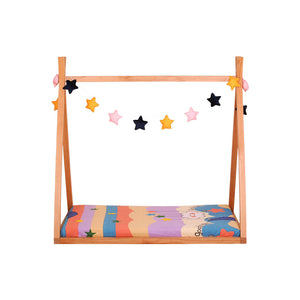
Baby furniture, known for its sturdy construction, holds immense repurposing potential. A changing table can be converted into a practical storage unit for art supplies or books as children grow older. A crib, once outgrown, can be reimagined into a toddler bed, a creative desk, or even a cozy reading nook for older siblings, extending its life cycle for many years within the same family or a joint family setting. With some DIY activityKits, parents can even involve older kids in the transformation process, making it a fun family project.
Pre-Loved Baby Items: Buying and Selling Safely
Engaging with pre-loved baby items through buying and selling is a cornerstone of the circular economy, allowing quality goods to continue serving families. This practice not only saves money but also promotes resource efficiency. When navigating this market, Indian parents must prioritize safety and hygiene, ensuring all items are clean, functional, and meet current safety standards.
For selling, local online marketplaces like OLX and Quikr, dedicated Facebook parenting groups in Bengaluru and other cities, and even community WhatsApp groups are excellent avenues. Ensure clear photos, honest descriptions, and fair pricing to facilitate smooth transactions. When buying, always inspect items thoroughly for wear and tear, and verify any safety certifications where applicable, especially for larger items like strollers or high chairs.
The Heart of Circular Economy Baby Products: Donating and Gifting in India
Donating and gifting are vital components of the circular economy for baby products, embodying the spirit of generosity prevalent in Indian culture. This practice ensures that usable items reach families in need, fostering community support and reducing waste. Many Indian parents find immense satisfaction in knowing their child's outgrown items can bring joy and utility to another family, perhaps even preparing for their first festival celebration.
Where to Donate Baby Items India
Several avenues exist for donating baby items across India. Local orphanages, children's homes, and NGOs focused on women and child welfare are often in great need of clothing, blankets, and educational toys. Reputable organizations like Goonj or local community centers in your city (like those in Bengaluru) frequently accept donations. Always contact them first to confirm their current requirements and ensure your items are clean and in good condition before dropping them off.
Making Informed Choices: New Buys for Eco-Friendly Baby Solutions
While giving items a second life is paramount, new purchases are sometimes necessary. When buying new, Indian parents can still champion eco-friendly baby solutions by making informed, sustainable choices. This involves selecting durable, high-quality products made from natural or recycled materials, designed for longevity and potential reuse.
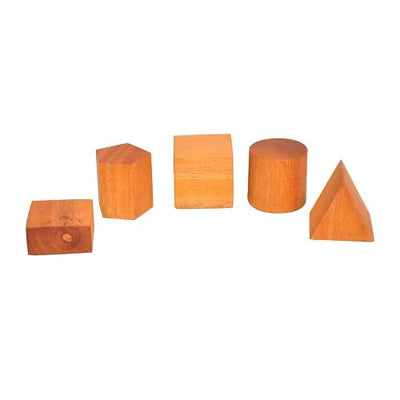
Prioritizing items that can adapt as your child grows, such as convertible cribs or versatile Montessori learning materials, reduces the need for frequent replacements. Investing in wooden toys, like those found at SkilloToys.com, or multi-functional furniture, ensures that even new purchases contribute to a long-term, sustainable lifecycle. This thoughtful approach helps build an eco-conscious home environment from the very beginning.
- Giving baby products a second life significantly reduces landfill waste and conserves global resources.
- Indian families benefit economically by reusing, repurposing, and exchanging baby items, saving substantial costs.
- Repurposing common items like baby clothes into cleaning cloths or cribs into desks is a practical way to extend utility.
- Buying and selling pre-loved baby items safely through local marketplaces supports a robust circular economy.
- Donating baby products to local NGOs and orphanages directly assists underprivileged families in India.
- Choosing durable, high-quality, and versatile new items contributes to a long-term eco-friendly baby solution.
How can I effectively clean baby products before giving them a second life?
Effectively cleaning baby products involves sanitizing hard surfaces with mild, child-safe disinfectants and washing textiles in hot water with hypoallergenic detergents. Ensure all items are thoroughly dried to prevent mildew and stored in a clean, dry place, ready for their next use.
What are the best platforms to sell used baby products in India?
The best platforms to sell used baby products in India include local online marketplaces like OLX and Quikr, specialized Facebook groups for parenting in your city, and community WhatsApp groups. Consider local consignment stores or pop-up markets in urban areas for direct sales.
Where can Indian parents donate baby items responsibly?
Indian parents can responsibly donate baby items to local orphanages, children's homes, NGOs supporting underprivileged families, and community centers. Verify the organization's needs beforehand to ensure your donations are genuinely helpful and well-utilized.
Are there safety considerations when using or providing pre-loved baby gear?
Yes, safety is paramount with pre-loved baby gear; always check for recalls, ensure structural integrity, and sanitize items thoroughly. Prioritize items like car seats and cribs for new purchases due to evolving safety standards, or verify their condition meticulously if accepting them pre-loved.
How does giving baby products a second life benefit my family and the environment?
Giving baby products a second life significantly benefits your family by saving money and reducing clutter, while simultaneously protecting the environment by decreasing landfill waste and conserving resources. This approach fosters a mindset of sustainability and responsible consumption for future generations.