Kannada Vowels: Sustainable Montessori for Regional Identity
For Indian parents seeking to nurture regional identity and eco-consciousness, teaching Kannada vowels through sustainable Montessori methods offers a profound advantage. This approach ensures children grasp foundational language skills while developing an appreciation for both their heritage and the planet. By focusing on tangible, eco-friendly materials, families can create a rich learning environment that supports a child's natural developmental path.
What Are Sustainable Montessori Kannada Language Materials?
Sustainable Montessori Kannada Language Materials are educational tools designed to teach Kannada vowels and the alphabet using environmentally responsible practices and natural resources. This matters because it not only provides a tactile, multi-sensory learning experience aligned with Maria Montessori's philosophy but also instils eco-conscious values in young learners. Indian parents can actively choose or create materials that are safe, non-toxic, and promote a deeper connection to both language and nature.
Montessori Kannada Materials for Early Language Acquisition
The Montessori method emphasizes hands-on, self-directed learning, and this applies beautifully to language acquisition. For Kannada, this means moving beyond rote memorization to sensory engagement with each letter. Children interact with materials that allow them to trace, feel, and manipulate the shape and sound of Kannada vowels, building a strong foundation for reading and writing.
Research shows that early exposure to regional languages significantly boosts cognitive development and cultural pride. Incorporating Montessori Kannada materials from an early age, typically 18-36 months, capitalizes on a child's absorbent mind. This approach makes learning feel like an engaging exploration, rather than a chore, a crucial distinction for busy Indian families balancing multiple educational goals.
Why Prioritise Kannada Vowels with a Montessori Approach?
Prioritizing Kannada vowels using a Montessori approach offers numerous benefits, bridging linguistic skill with cultural understanding and sustainable living. This method provides a clear, structured path for children to master the building blocks of the language, empowering them to connect with grandparents, family stories, and local traditions. It directly counters the over-reliance on digital tools by fostering engagement with tangible objects.
Child development experts agree that a multi-sensory approach to language learning is highly effective, especially for distinguishing similar-sounding vowels. The Montessori framework encourages children to explore at their own pace, fostering independence and a deep sense of accomplishment. Moreover, by choosing sustainable materials, parents align with the growing movement towards conscious consumption, much like the focus on pre-loved baby gear highlighted by Coodle.
Nurturing Regional Identity Through Language
In a diverse country like India, preserving regional identity is paramount, and language is its soul. Learning Kannada vowels isn't just about pronunciation; it's about understanding the nuances of a culture, its literature, and its unique expressions. Montessori materials provide a respectful and engaging pathway for children to embrace their heritage, making them confident communicators in their native tongue.
This early connection to Kannada also strengthens family bonds, allowing children to participate more fully in festivals, conversations, and traditional storytelling. When children feel proud of their regional language, it fosters a stronger sense of self and belonging. It prepares them to navigate a multicultural world with a firm grounding in their own identity.
Creating Eco-Friendly Kannada Toys at Home
Embracing sustainability doesn't mean sacrificing educational quality; it often enhances it through creativity and resourcefulness. Creating eco-friendly Kannada toys at home is a rewarding way to personalize learning and reduce environmental impact. Simple household items can be transformed into engaging learning tools for Kannada vowels and consonants.
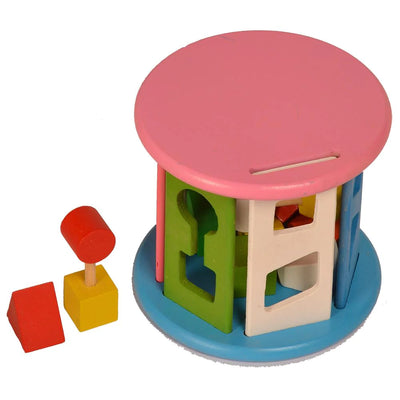
Consider using recycled cardboard to cut out large Kannada letters, then cover them with different textures like sand, felt, or fabric scraps for a tactile experience. Wooden blocks can be painted or etched with Kannada script, offering durable and natural learning pieces. These DIY Montessori activity kits not only teach language but also impart valuable lessons about recycling and mindful consumption, providing a hands-on experience in eco-conscious living.
DIY Kannada Alphabet Chart & Sensory Learning
A personalized Kannada alphabet chart can be a focal point for learning. Instead of a store-bought plastic version, craft one from recycled fabric, old newspapers laminated with natural resin, or even a large sheet of reclaimed plywood. You can use natural dyes for colours and attach small, textured objects corresponding to each letter's initial sound.
For sensory learning, adapt the Montessori sandpaper letters concept for Kannada. Cut out Kannada vowels from sandpaper and mount them on small wooden or cardboard tablets. Children trace the rough letters with their fingers, feeling the shape while simultaneously saying the sound. This multi-sensory input strengthens memory and understanding, making learning Kannada for kids an immersive experience.
Integrating Learning Kannada for Kids into Daily Life
Effective language learning extends beyond dedicated materials; it thrives when integrated into a child's daily routine. For families in Bengaluru and across Karnataka, this means creating an immersive Kannada environment. Engage children in conversations, read Kannada storybooks, and point out Kannada script on signs during outings.
Encourage grandparents and other family members to speak in Kannada, making language learning a communal and cherished experience. Cooking traditional meals, celebrating local festivals, or even simple tasks like identifying fruits and vegetables in Kannada during a market visit, all contribute to natural language acquisition. These authentic interactions reinforce what they learn from their Montessori Kannada materials, making the language alive and relevant.
- Introducing Kannada vowels via Montessori methods from 18-36 months significantly aids language acquisition.
- Sustainable Montessori materials, made from natural or recycled elements, foster eco-consciousness alongside linguistic development.
- A multi-sensory approach, like tactile Kannada alphabet charts, enhances understanding and retention of regional languages.
- Nurturing regional identity through Kannada learning strengthens cultural bonds and cognitive skills in children.
- DIY eco-friendly Kannada toys promote creativity, reduce waste, and personalize the learning experience for Indian families.
- Integrating Kannada into daily life through conversations, stories, and family interactions solidifies foundational language skills.