Kannada Vowels: Sustainable Montessori Materials for Indian Kids
Introducing Kannada vowels to young Indian children through sustainable Montessori materials is an effective way to foster early language development while upholding eco-conscious values. This approach integrates natural, durable resources that encourage hands-on exploration, proving highly beneficial for cognitive and linguistic growth from a young age. Research shows that engaging with tangible, purpose-driven materials significantly enhances a child's understanding and retention of complex linguistic concepts.
Sustainable Montessori learning for regional languages like Kannada is a pedagogical approach that uses environmentally responsible materials to teach foundational concepts, specifically the Kannada alphabets. This matters because it aligns education with ecological values, teaching children respect for resources from an early age, alongside academic skills. Indian parents can implement this by selecting durable, non-toxic, and locally sourced materials for their child's language journey.
The Essence of Sustainable Kannada Learning Materials
Choosing sustainable Kannada learning materials goes beyond simply being eco-friendly; it's about investing in resources that promote long-term development and respect for the environment. These materials are typically made from natural, renewable resources such as wood, bamboo, and cotton, ensuring they are safe for children and gentle on the planet. Studies indicate that children who learn with natural materials often develop a deeper appreciation for their environment and the learning process itself.
Maria Montessori's philosophy champions materials that are aesthetically pleasing, durable, and invite repeated engagement, perfectly aligning with sustainable practices. For Indian homes, this means selecting items that can withstand years of use, perhaps even being passed down through generations, embodying true sustainability. This mindful selection significantly reduces waste and fosters a circular economy within our educational choices.
Child development experts agree that durable, well-crafted learning tools provide consistent sensory feedback, crucial for developing fine motor skills and cognitive abilities necessary for language acquisition. For instance, wooden tracing boards for Kannada vowels offer a multi-sensory experience far superior to disposable plastic alternatives. Prioritising such robust and thoughtfully designed materials is a core tenet of effective, eco-conscious learning.
Choosing Eco-Friendly Kannada Toys for Early Literacy
When selecting eco-friendly Kannada toys for your child, focus on quality, material, and purpose. Natural wood toys, often crafted by local artisans, are excellent choices, as they are non-toxic, durable, and support sustainable local economies. Look for toys painted with natural, non-VOC dyes to ensure your child's safety and minimise environmental impact.
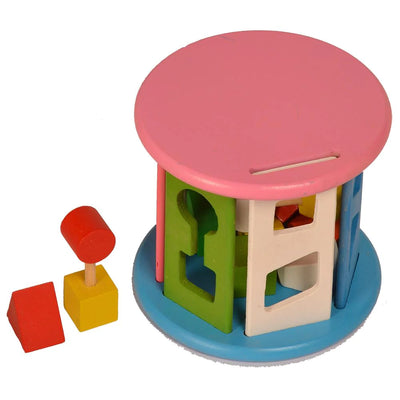
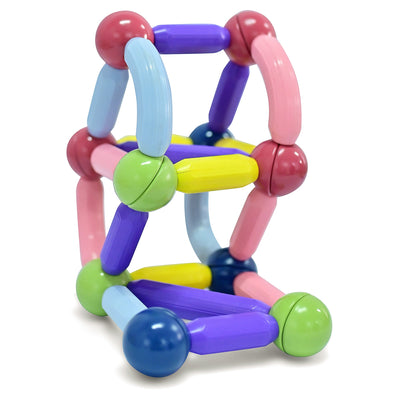
For infants and toddlers aged 18-36 months, tactile Kannada letter puzzles or stacking blocks made from reclaimed wood offer engaging ways to introduce the shapes and sounds of the Kannada alphabets. These hands-on experiences are vital for pre-literacy skills, allowing children to explore letters sensually before formal reading. Such sustainable toys also align with the Montessori principle of allowing children to learn at their own pace through self-directed play.
Integrating these toys into your home environment, perhaps in a dedicated 'learning corner' during the winter months when outdoor play might be limited, keeps children's enthusiasm and curiosity alive, as highlighted by 'The Better India'. Consider incorporating a range of activity kits that provide comprehensive, sustainable options for early Kannada language exploration. These kits are designed to support a child's natural inclination to learn through discovery.
Montessori Kannada Language Resources: Building Foundational Skills
Effective Montessori Kannada language resources are designed to isolate concepts and provide sensory experiences, crucial for mastering Kannada vowels and consonants. Materials like sandpaper letters, where children trace the form of the `ಸ್ವರಗಳು` (swaragalu - vowels) and `ವ್ಯಂಜನಗಳು` (vyanjanagalu - consonants) with their fingers, engage both tactile and visual senses. This multi-sensory input solidifies neural pathways for language recognition and recall.
For children ready for more abstract learning, a movable alphabet, with individual wooden or cardstock letters, allows them to construct words independently. This self-correcting activity is central to Montessori pedagogy, enabling children to discover and rectify errors on their own, fostering independence and confidence. Parents can easily create DIY versions using recycled cardboard or find beautifully crafted Montessori method learning materials.
Introducing Kannada through storybooks printed on recycled paper or engaging with grandparents who share traditional Kannada tales also reinforces cultural identity alongside linguistic development. These diverse resources collectively build a rich language environment, demonstrating how practical and sustainable Montessori methods can flourish within an Indian joint family setting.
Practical Steps for Eco-Conscious Kannada Vowel Introduction
Integrating sustainable Kannada vowel learning into daily life is straightforward for Indian parents. Start by curating a small, high-quality collection of materials rather than a large quantity of disposable items. This mindful approach reduces clutter and encourages deeper engagement with each resource. Consider rotating materials to keep learning fresh and exciting.
Engage grandparents and other family members in the learning process by encouraging them to use Kannada words and phrases with children. Their wisdom and stories, especially during festivals, provide authentic context and reinforce linguistic exposure. This creates a supportive, language-rich environment that respects tradition while fostering new skills.
Make learning a joyful and natural part of the child's routine. Whether it's tracing letters on a wooden board or identifying Kannada words in a story, present these activities as invitations to explore rather than mandatory tasks. This approach nurtures an intrinsic love for the language and a lifelong curiosity, mirroring the core tenets of Montessori education.
- Sustainable Montessori learning uses natural, durable materials to teach Kannada vowels, enhancing both linguistic and ecological awareness.
- Research indicates multi-sensory engagement with materials like sandpaper letters significantly improves Kannada language retention in young children.
- Choosing eco-friendly Kannada toys made from wood or bamboo supports local artisans and reduces environmental impact.
- Maria Montessori’s philosophy advocates for materials that are long-lasting and encourage repeated use, aligning perfectly with sustainability goals.
- Integrating Kannada language learning into daily family life, especially with grandparents, reinforces cultural identity and linguistic development.
- Child development experts recommend high-quality, purpose-driven learning tools for optimal cognitive and fine motor skill development in early childhood.
Frequently Asked Questions About Sustainable Kannada Vowel Learning
Why is sustainable learning important for Kannada vowels?
Sustainable learning for Kannada vowels is crucial because it promotes environmental responsibility alongside linguistic development. It teaches children to value resources, reduces waste, and often involves safer, non-toxic materials, benefiting both the child and the planet.
What age is best to introduce Kannada vowels using Montessori materials?
Children can be introduced to Kannada vowels using Montessori-inspired materials as early as 2.5 to 3 years old, especially through sensorial activities like tracing sandpaper letters. The Montessori method emphasizes readiness and allows children to engage when they show interest, adapting to individual developmental paces.
Are eco-friendly Kannada toys as effective as traditional ones?
Eco-friendly Kannada toys are often more effective than traditional plastic ones due to their natural textures, durability, and the sensory experience they offer. They are designed to be engaging and support concentration, aligning with Montessori principles for deeper, more meaningful learning.
How can I make my own sustainable Kannada learning materials at home?
Indian parents can create sustainable Kannada learning materials using everyday items like recycled cardboard for movable alphabets or crafting small flashcards from old newspapers. Natural elements such as seeds or stones can also be used for counting or pattern recognition alongside language games, encouraging creativity and resourcefulness.
Where can I find Montessori-inspired Kannada language resources in India?
SkilloToys.com offers a range of Montessori-inspired Kannada language resources and activity kits specifically designed for Indian children, focusing on sustainability and educational efficacy. Many local artisans and educational suppliers across India also craft high-quality, eco-friendly learning materials, often made from wood and natural dyes.