Kids Learning Toys: Daily Sustainable Play Routines
Integrating sustainable kids learning toys into your child's daily routine fosters independence, sparks curiosity, and builds a lifelong appreciation for mindful living. By creating a structured yet flexible environment, Indian parents can empower children to explore and learn with purpose, making every playtime a meaningful educational experience.
A sustainable play routine refers to a structured yet adaptable approach where children engage with durable, open-ended, and environmentally friendly educational toys regularly. This matters because it reduces waste, promotes deeper learning, and aligns with eco-conscious values. Indian parents can establish this by curating thoughtfully chosen toys and integrating them into everyday activities, encouraging focused and independent exploration.
Establishing a Montessori Daily Activities Flow for Kids Learning Toys
Research shows that children thrive on routine, which provides a sense of security and predictability. Implementing Montessori daily activities with sustainable educational toys allows children to develop self-discipline and concentration naturally. This structured freedom encourages them to choose their 'work' from accessible materials, fostering intrinsic motivation rather than external directives, much like the independent spirit valued in many Indian households.
The Morning Rhythm: Intentional Beginnings
Start the day with calm, purposeful activities. After breakfast, instead of immediate screen time, offer a 'prepared environment' where your child can choose a focused activity. For younger children, this might involve manipulating a wooden shape sorter or stacking blocks, honing fine motor skills. Older children could engage with language materials like sandpaper letters or explore a simple activity kit designed for their age.
This early engagement sets a positive tone, demonstrating that learning is an enjoyable and self-directed process. Experts confirm that starting the day with independent work builds confidence and prepares the mind for further exploration. It also allows parents to manage household tasks while knowing their child is constructively occupied.
Midday Explorations: Focused Learning Time
The midday, often after a quiet time or nap for younger ones, is ideal for more sustained engagement with kids learning toys. This period can involve more complex tasks or imaginative play. For example, a child might build an elaborate fort with wooden blocks or engage in role-playing with ethically sourced wooden figurines, enhancing creativity and problem-solving skills.
This is also a great time to introduce new concepts or revisit challenging materials. SkilloToys offers a range of activity kits that can be introduced for a focused learning session, perfect for keeping children's enthusiasm and curiosity alive indoors, as highlighted by 'The Better India' in their winter activity suggestions. This sustained focus is crucial for developing deep concentration, a key Montessori goal.
Evening Wind-Down: Reflective Play
As the day winds down, shift towards quieter, more reflective play that can include family interaction. Simple puzzles, board games, or reading together with tactile story props can be wonderful ways to connect. This helps transition from active play to a peaceful evening routine, crucial for healthy sleep patterns.
Engaging grandparents during this time can create beautiful intergenerational learning moments, sharing stories and wisdom through play. This shared experience reinforces family bonds and provides a natural context for learning, reflecting the joint family values prevalent across India.
Choosing the Right Sustainable Educational Toys for Engagement
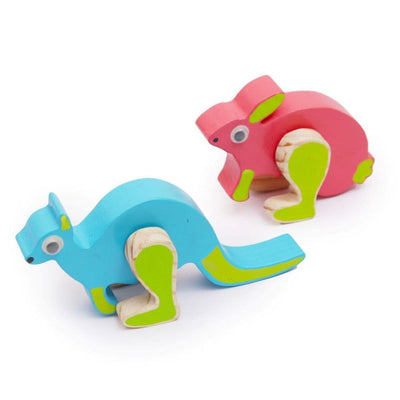
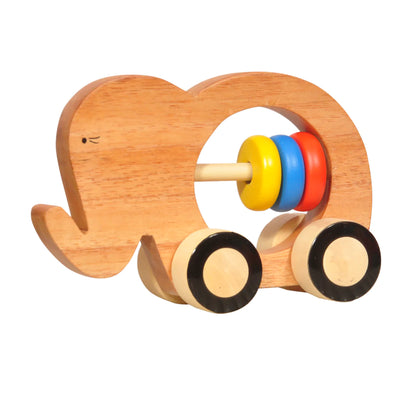
Selecting the right sustainable educational toys is foundational to a successful play routine. Child development experts agree that toys made from natural materials like wood, cotton, or metal offer a richer sensory experience and are significantly more durable than plastic alternatives. These materials are not only safer for children but also align with ecological responsibility.
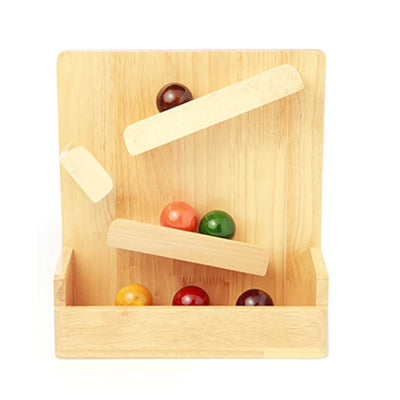
When selecting toys, consider their open-ended potential. A simple set of wooden blocks, for instance, can become a tower, a farm, or a train, adapting to a child's evolving imagination for years. This versatility ensures longevity and maximizes the educational value of each item. SkilloToys' main collection of Montessori learning materials exemplifies this philosophy, offering tools like the Pink Tower for visual discrimination or sandpaper letters for tactile language development, which are timeless and built to last.
Eco-Conscious Learning India: Beyond Just Toys
Cultivating eco-conscious learning in India extends beyond the physical toys themselves to the attitudes and practices instilled in children. It's about teaching respect for resources, mindful consumption, and an understanding of environmental impact. This ethos aligns perfectly with India's growing focus on sustainability, mirrored in initiatives like the development of the country's largest sustainable printed circuit board factory in Madhya Pradesh.
Involve children in simple household sustainability practices, such as composting kitchen waste for a home garden, conserving water, or upcycling old clothes for craft projects. These practical experiences reinforce the values demonstrated by their sustainable toy collection. Encourage them to care for their toys, understanding that each item has value and a longer lifespan when treated with respect. This holistic approach ensures that eco-conscious principles are integrated into every facet of daily life, preparing them to be responsible global citizens.
- Integrating kids learning toys into daily routines promotes independence and focused learning.
- Routines provide security for children, enhancing their capacity for concentration.
- Montessori principles support sustainable play through durable, open-ended materials.
- Sustainable toys, though potentially higher in initial cost, offer long-term value and durability.
- Engaging in eco-conscious household practices reinforces sustainable values learned through play.
- Wooden and natural material toys provide superior sensory experience and longevity compared to plastic.
How can I make play a part of daily learning without pressure?
Integrate play seamlessly by creating dedicated 'work' areas and offering age-appropriate materials. Allow children autonomy in choosing activities, fostering intrinsic motivation rather than external pressure. Focus on the process of discovery, not just the outcome.
What age is best to introduce sustainable educational toys?
Sustainable educational toys can be introduced from infancy, with developmentally appropriate choices. For example, grasping toys for infants or stackers for toddlers, evolving into more complex materials like shape sorters or puzzles as they grow.
How do Montessori principles support sustainable play routines?
Montessori principles advocate for purposeful, open-ended materials that encourage concentration and repetition, inherently aligning with sustainable practices. This approach reduces the need for frequent toy replacements and promotes deeper engagement with fewer items.
Are sustainable toys more expensive in India?
While the initial cost might sometimes be higher, sustainable toys often offer superior durability, safety, and longevity, making them a more economical and environmentally friendly choice in the long run. Many Indian brands now offer competitive pricing for quality sustainable options.
How can I involve grandparents in sustainable play practices?
Involve grandparents by sharing the philosophy behind sustainable toys and Montessori activities. Encourage them to participate in open-ended play, storytelling with natural materials, or even crafting simple toys together, reinforcing shared values and bonding.