Malayalam Spelling: Eco-Conscious Montessori Activities
Eco-conscious Montessori activities provide an engaging, sustainable path to mastering Malayalam spelling, fostering linguistic development through hands-on, environmentally responsible practices that resonate with Indian families. This approach ensures children not only learn their mother tongue but also cultivate a deep appreciation for our planet.
For Indian parents who value both academic excellence and environmental stewardship, integrating sustainable practices into language learning offers a powerful solution. This commitment aligns with the broader movement towards mindful parenting, inspiring children to connect with their heritage and the natural world.
What is Eco-Conscious Montessori Language Learning?
Eco-Conscious Montessori Language Learning integrates sustainable practices and natural materials with Maria Montessori's proven methods for language acquisition. This matters because it cultivates both academic excellence and environmental stewardship in children. Indian parents can empower their kids to learn languages like Malayalam responsibly.
The Montessori Approach to Malayalam Spelling: Foundations for Success
The Montessori method, established by Dr. Maria Montessori, emphasizes concrete, multi-sensory learning to build a strong foundation for language. For montessori malayalam learning, this means moving beyond rote memorization to truly understanding the script and sounds. Research shows that multi-sensory learning significantly improves retention in young children, making it ideal for the complexities of Malayalam.
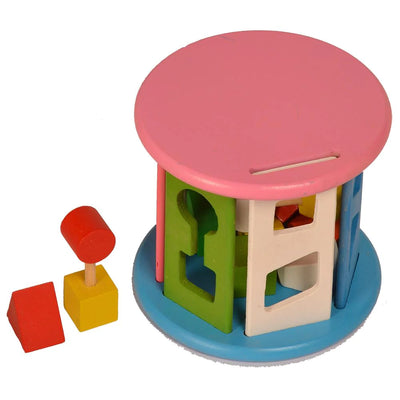
In an eco-conscious setting, we leverage this approach by choosing sustainable materials. Instead of plastic, think about natural wood, recycled cardboard, or even materials found in your backyard. This not only benefits the environment but also provides a richer sensory experience for the child, connecting them more deeply to the learning process.
Sensory Exploration for Early Malayalam Sounds
Before spelling, children need to hear and feel the sounds of Malayalam. Introduce phonetic awareness by sounding out simple Malayalam words and asking children to identify the initial sounds. Use small objects from nature – a 'puli' (tamarind) seed for 'പ' (pa), or a 'mazha' (rain) drop sound for 'മ' (ma) – making learning both tangible and tied to their immediate environment.
Building Malayalam Words with Sustainable Materials
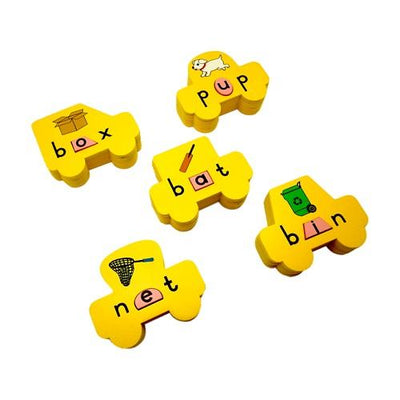
The next step involves forming words. Child development experts agree that manipulating letters helps children understand their sequence in words. Instead of buying new, consider crafting your own movable alphabets from recycled wood, bottle caps, or even flattened cardboard pieces. These DIY resources become cherished learning tools, reflecting a commitment to sustainable spelling activities.
Practical Eco-Conscious Montessori Activities for Malayalam Spelling
Engaging children in language learning through hands-on activities makes the process enjoyable and effective. These sustainable approaches not only teach malayalam for kids but also instill a sense of responsibility towards nature, echoing the sentiments of sustainable parenting initiatives across India.
DIY Sandpaper Letters for Malayalam Script
Just as traditional Montessori uses sandpaper letters for English, you can create them for Malayalam. Trace Malayalam letters onto recycled cardboard or sturdy paper. Apply a thin layer of natural glue (like a homemade flour paste) and sprinkle fine sand or semolina (rava) over it. Once dry, children can trace the rough texture of the letter, connecting the tactile sensation with its visual form and sound.
These tactile letters are invaluable for children aged 3-6, allowing them to literally feel the shape of each character. You can find ready-to-use bases or creative templates within activity kits that encourage such hands-on creation, promoting both linguistic and fine motor skill development.
Nature's Alphabet: Outdoor Malayalam Word Hunt
Take Malayalam spelling outdoors! Collect leaves, twigs, pebbles, and flowers. Challenge your child to arrange these natural elements to form simple Malayalam words like 'മരം' (maram - tree) or 'പുല്ല്' (pullu - grass). This activity is fantastic for eco-friendly language learning, connecting language directly to the environment. It's an excellent way to embrace outdoor learning, much like the popular outdoor winter games and activities families enjoy across India.
Reused Materials for Malayalam Word Building
Inspired by the growing trend of sustainable and pre-loved baby gear, apply the same principle to learning materials. Collect bottle caps, small cardboard boxes from cereal, or even old newspaper cut-outs. Write individual Malayalam letters on these. Children can then arrange these 'letter tiles' to spell words. This not only encourages recycling but also shows children that valuable learning tools can come from unexpected, sustainable sources.
For more structured learning, exploring our broader Montessori materials collection can provide inspiration for creating similar eco-friendly versions, focusing on durable and natural resources.
Integrating Malayalam Spelling into Daily Indian Life
The beauty of eco-conscious Montessori learning lies in its seamless integration into daily life, especially within an Indian home. Involve grandparents in identifying objects and speaking Malayalam. During family pujas or festivals, label items in Malayalam using recycled paper. Encourage children to spell words related to their favourite Indian dishes or family members. These natural, consistent exposures are vital for fostering genuine fluency and correct malayalam spelling.
Making language learning a part of everyday interactions, rather than a separate chore, cultivates a love for Malayalam. Whether it's reading Malayalam stories from the library, writing shopping lists together, or simply chatting in Malayalam, these experiences reinforce the skills learned through Montessori activities and strengthen family bonds.
- Eco-conscious Montessori methods effectively teach Malayalam spelling through multi-sensory, hands-on activities.
- Using sustainable and recycled materials enhances learning and promotes environmental responsibility in children.
- DIY sandpaper letters for Malayalam script offer a tactile and engaging way to learn letter recognition.
- Outdoor activities, like a nature-based Malayalam word hunt, connect language learning with the natural world.
- Integrating Malayalam spelling into daily family routines, including with grandparents, strengthens linguistic retention.
- The Montessori approach builds a strong foundation for language acquisition from an early age (2.5-6 years).
Why is Montessori effective for Malayalam spelling?
Montessori's multi-sensory approach, using tactile materials and hands-on activities, helps children internalize the unique script and sounds of Malayalam more effectively. This method builds a strong foundation for both recognition and correct spelling.
What age is best to start teaching Malayalam spelling?
Child development experts agree that children can begin phonetic awareness and letter recognition for Malayalam as early as 2.5-3 years. Formal spelling activities typically become more prominent between 4-6 years, aligning with their sensitive period for language.
How can I make Malayalam learning materials eco-friendly?
Creating eco-friendly Malayalam materials involves using readily available items like cardboard, fallen leaves, twigs, recycled paper, and natural clay. These sustainable choices reduce waste and teach children about environmental responsibility.
Can I adapt Montessori principles for other Indian languages?
Yes, Montessori principles are universally applicable across languages. The core methods of sensory exploration, phonetic breakdown, and hands-on manipulation can be effectively adapted for teaching spelling and literacy in any Indian language, including Hindi, Tamil, or Kannada.
Where can I find ready-made eco-conscious Montessori Malayalam resources?
While DIY is encouraged, many educational brands in India, like SkilloToys, are increasingly offering thoughtfully designed, sustainable Montessori materials. Look for wooden, natural fiber, or recycled plastic options that support eco-conscious learning for Malayalam and other subjects.