Montessori Eco-Conscious Living in Indian Homes
Montessori principles nurture eco-conscious living in Indian homes by fostering a profound respect for nature, encouraging practical life skills that minimize waste, and promoting mindful consumption. This definitive approach, rooted in observation and hands-on learning, empowers children to become active stewards of their environment from a young age, aligning seamlessly with India's rich traditions of interconnectedness with the natural world. Research shows that early childhood experiences significantly shape lifelong environmental attitudes.
Montessori eco-conscious living integrates core Montessori values—respect for self, others, and the environment—with sustainable practices in daily life. This matters immensely because it cultivates independent, responsible individuals who understand their vital role in protecting the planet. Indian parents can implement this by providing natural materials, fostering a sense of wonder for nature, and involving children in everyday eco-friendly routines.
Montessori Environmental Education: Fostering Respect for Nature
Central to Montessori philosophy is cultivating a deep respect for all living things and the environment. Maria Montessori believed that direct interaction with nature is crucial for a child's holistic development and instills a sense of guardianship. In an Indian context, this means encouraging children to observe the intricate details of a mango tree, care for a tulsi plant, or marvel at the monsoon rains, connecting them to the biodiversity around them.
Child development experts agree that children exposed to nature regularly develop stronger problem-solving skills and a greater appreciation for ecological balance. Parents can create opportunities for exploration, whether it's a visit to Bengaluru's Lalbagh Botanical Garden or simply exploring a neighbourhood park. SkilloToys supports this journey by offering activityKits that encourage nature-based learning, even from home.
Practical Life Skills for a Montessori Sustainable Home
Montessori practical life activities are the cornerstone of developing independence and competence, which are intrinsically linked to sustainable living. Tasks like sweeping, watering plants, folding laundry, or preparing simple meals (like a fruit salad) teach children self-sufficiency and the direct impact of their actions on their surroundings. This actively contributes to a Montessori sustainable home by reducing reliance on external services and fostering a culture of care.
By engaging in these daily chores, often using child-sized tools, children aged 18-24 months and beyond learn responsibility and precision. This approach lessens the burden on parents, especially in busy Indian households, and instills a sense of contribution. For example, a child learning to sort clothes for laundry (whites, colours) is not only developing fine motor skills but also understanding resource management and contributing to a well-ordered, eco-friendly household.
Montessori Philosophy & Sustainable Living: Conscious Consumption
The Montessori philosophy inherently promotes conscious consumption by valuing quality over quantity and encouraging thoughtful use of resources. This aligns with the 'new-age parenting' trend of making sustainable choices, as highlighted by brands like Coodle promoting pre-loved baby gear. Children in a Montessori environment learn to care for their belongings, understanding that each item has a purpose and a lifespan, rather than being disposable.
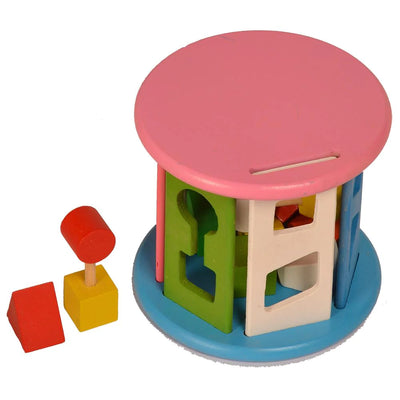
This principle teaches children to appreciate the value of materials, whether it's a wooden pink tower or sandpaper letters, which are designed for durability and longevity. Parents can extend this by involving children in choosing toys or clothes, discussing where things come from, and emphasizing repair over replacement. This approach directly combats the throwaway culture, fostering mindful choices for families across India.
Integrating Montessori Principles in Indian Homes
Bringing Montessori eco-conscious living into an Indian home involves thoughtful adaptation. It means embracing natural materials for toys and home decor, choosing energy-efficient appliances, and involving children in everyday eco-practices like composting kitchen waste (even in small urban balconies) or conserving water during bath time. This holistic approach prepares children not just for school but for a lifetime of responsible citizenship.
Grandparents and other family members can play a crucial role, sharing traditional knowledge of sustainable practices, like reusing old clothes as dusters or growing vegetables in a small patch. By observing these practices, children learn invaluable lessons in sustainability from multiple generations. Explore the SkilloToys main collection for materials designed to support this holistic development.
Key Takeaways
- Montessori principles foster eco-conscious living by cultivating a deep respect for nature from an early age.
- Practical life skills in Montessori empower children with independence and a sense of responsibility for their environment.
- The Montessori philosophy naturally promotes conscious consumption, valuing quality and durability over disposability.
- Integrating Montessori in Indian homes involves adapting traditional sustainable practices with modern ecological awareness.
- Direct interaction with nature and involvement in household chores are critical for developing sustainable habits in children.
- A Montessori-inspired home environment cultivates children who are active, mindful stewards of their surroundings.
How can Montessori help my child connect with nature in an urban Indian setting?
Montessori encourages nature observation even in urban environments. Parents can involve children in caring for potted plants, visiting local parks or community gardens, and discussing different species of birds and trees encountered daily. This fosters an early appreciation for biodiversity.
Are Montessori eco-friendly materials expensive for Indian families?
While some Montessori materials might seem premium, the philosophy prioritizes quality over quantity and often encourages DIY solutions. SkilloToys offers a range of durable, eco-friendly options, and parents can also incorporate repurposed household items for practical life activities, making it accessible for Indian families.
How does Montessori promote responsible consumption among children?
Montessori promotes responsible consumption by emphasizing quality, purpose, and care for belongings. Children learn to value what they have, repair items when possible, and understand the effort behind production, reducing the desire for excessive, disposable items. This aligns with traditional Indian values of frugality and preservation.
Can Montessori principles be integrated into a joint family setup for eco-conscious living?
Absolutely, Montessori principles are highly adaptable to joint family setups. Grandparents and other family members can actively participate in practical life activities, gardening, and modeling respectful interactions with the environment, reinforcing a collective commitment to eco-conscious living across generations.
What is the role of 'practical life skills' in Montessori eco-conscious living?
Practical life skills are fundamental to Montessori eco-conscious living, as they empower children to perform daily tasks like cleaning, cooking, and gardening. These skills foster independence, a sense of responsibility for their surroundings, and an understanding of resource management, directly contributing to a sustainable home environment.