New-Age Parenting India: Safe, Sustainable Baby Gear Choices
New-age parenting in India is decisively moving towards conscious consumption, recognizing that choices about baby gear directly impact both a child's development and the planet's health. This shift prioritizes safety, sustainability, and the intelligent use of pre-loved items, offering a holistic approach to raising children in an increasingly eco-aware society. Research from organizations like the Indian Academy of Pediatrics increasingly emphasizes the benefits of non-toxic environments for infant well-being.
As Siliconindia recently highlighted with 'Coodle', there's a growing movement among Indian parents to redefine what 'new' truly means for baby essentials. It's not about constant upgrades, but about thoughtful selection.
What is New-Age Parenting in India?
New-age parenting in India involves a mindful approach to child-rearing that balances traditional wisdom with modern insights, focusing on holistic development, emotional intelligence, and environmental stewardship. This matters because it fosters responsible global citizens and creates healthier home environments. Indian parents can embrace this by prioritizing ethical consumption and engaging with local eco-friendly communities.
Embracing Sustainable Baby Gear in India: Beyond Just Toys
The conversation around sustainable baby gear in India extends far beyond just playthings. Parents are now examining everything from strollers to cribs, choosing items made from natural, renewable resources over plastic. This reflects a broader shift in India, exemplified by projects like Studio Saar's sustainable PCB factory, where eco-conscious design is becoming the norm, not the exception.
For a 2-year-old in a bustling Bengaluru apartment, a sturdy wooden high chair lasts longer than a flimsy plastic one, offering stability and a connection to natural materials. Child development experts agree that interacting with natural textures and weights enhances sensory learning. When considering items like activity mats or feeding accessories, opt for organic cotton, bamboo, or food-grade silicone, which are safer for your child and kinder to Mother Earth. Investing in versatile, durable activity kits made from sustainable materials means fewer replacements and less waste.
The Rise of Pre-Loved Baby Gear: Safety Meets Sustainability
The concept of pre-loved baby gear in India isn't a new phenomenon; it's a sophisticated evolution of the cherished tradition of passing down items within joint families. From a cousin's outgrown baby clothes to a family heirloom cradle, hand-me-downs have always been a staple. Today, platforms facilitating the exchange of baby essentials are empowering parents to make these choices with renewed confidence in safety and quality.
For instance, a pre-loved baby carrier, if thoroughly inspected for wear and tear and cleaned as per manufacturer guidelines, can offer the same comfort and utility as a new one at a fraction of the environmental cost. A study by the Ellen MacArthur Foundation highlighted that adopting circular economy principles, like reusing products, could significantly reduce global material consumption. When considering items like strollers or larger furniture, check for recalls on consumer product safety websites and ensure all components are intact and functioning correctly. This mindful approach ensures your child's safety while reducing your family's carbon footprint.
Prioritizing Safe Baby Products in an Eco-Conscious Home
Creating a safe, eco-conscious home means scrutinizing every product. This includes everything from the paint on nursery walls to the materials in your child's first Montessori learning materials. Look for certifications like OEKO-TEX for textiles or Bureau of Indian Standards (BIS) marks for toys, which indicate adherence to safety standards and minimal harmful chemicals.
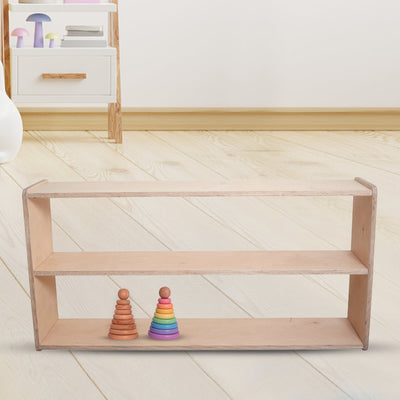
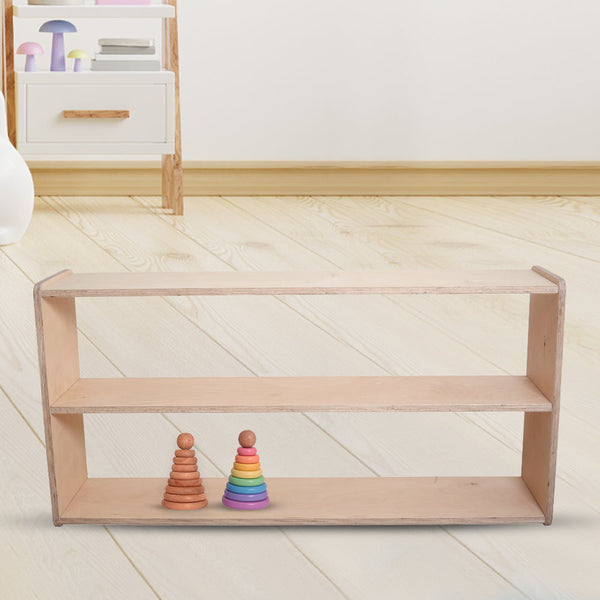
Maria Montessori herself advocated for natural, simple, and purposeful materials that engage a child's senses without overstimulation. A 12-month-old exploring the textures of a wooden shape sorter is developing fine motor skills and tactile awareness in a safe, non-toxic environment. This contrasts sharply with plastic alternatives that might off-gas volatile organic compounds. The age-old Indian practice of giving babies natural toys made from wood or clay, coupled with the nurturing touch of oil massages, aligns perfectly with modern understanding of sensory development and non-toxic living. It's about consciously choosing products that contribute to a child's healthy growth without compromising their future environment.
- New-age parenting in India integrates traditional thrift with modern eco-consciousness.
- Prioritizing safety and non-toxic materials is crucial for all baby gear choices.
- The pre-loved market offers sustainable, high-quality alternatives, mirroring Indian hand-me-down traditions.
- Choosing durable, open-ended Montessori materials reduces waste and fosters development.
- Parents can make impactful eco-conscious decisions without compromising child safety or quality.
- India's broader sustainability movement influences parental choices in baby products.
What defines new-age parenting in India?
New-age parenting in India is characterized by a mindful approach that blends traditional values of family and resourcefulness with modern ecological awareness and child development insights. It prioritizes a child's holistic growth, emotional well-being, and a sustainable lifestyle from infancy.
How can Indian parents ensure safety when choosing pre-loved baby gear?
To ensure safety with pre-loved baby gear, Indian parents should meticulously inspect items for damage, recalls, and proper sanitization. Focus on products with simple designs, durable materials, and no small, detachable parts that could pose choking hazards for younger children.
Are sustainable baby products genuinely better for a child's development?
Yes, sustainable baby products, often made from natural, non-toxic materials like wood or organic cotton, contribute positively to a child's development by offering safer sensory experiences. They reduce exposure to harmful chemicals and often encourage open-ended play, which fosters creativity and problem-solving skills.
What role do Montessori principles play in eco-conscious parenting?
Montessori principles align perfectly with eco-conscious parenting by advocating for durable, natural, and multi-purpose learning materials that reduce waste and encourage focused engagement. Maria Montessori emphasized quality over quantity, promoting toys that grow with the child and support various developmental stages.
How does the 'pre-loved' concept fit into traditional Indian family values?
The 'pre-loved' concept resonates deeply with traditional Indian family values, where passing down clothes, furniture, and even utensils has always been a practice of resourcefulness and love. New-age parenting reframes this as a conscious, eco-ethical choice, demonstrating how ancient wisdom meets modern sustainability goals.
Embracing safe, sustainable, and pre-loved baby gear is more than a trend; it's a conscious decision that shapes both your child's world and the larger environment. By making informed choices, you're not just providing for your child's immediate needs but instilling values of mindfulness and responsibility. Tonight, consider one baby item in your home: is there a more sustainable alternative for future purchases, or a beloved pre-loved item you can pass on?