New Rules of Parenting: Eco-Trends for Indian Families in 2026
The new rules of parenting for Indian families in 2026 are definitively shifting towards deeply embedded eco-conscious practices and mindful living, fundamentally redefining how children are raised. This evolution reflects a growing national awareness for sustainable choices, moving beyond just green products to encompass holistic lifestyle changes within the Indian home. Experts observe a significant trend where parents prioritise environmental responsibility alongside traditional values, ensuring a healthier future for their children.
Eco-conscious parenting is the intentional practice of raising children with a deep respect for the environment and fostering sustainable habits from a young age. This matters because it equips children with critical values and practices necessary for a healthy planet, instilling responsibility and empathy. Indian parents can implement this by choosing sustainable products, reducing waste, and connecting children with nature in everyday life.
Mindful Consumption: Prioritising Quality Over Quantity in Indian Homes
Modern Indian parenting in 2026 decisively leans towards mindful consumption, moving away from a culture of disposable items towards investing in durable, high-quality products. Recent surveys indicate that over 70% of urban Indian parents consider environmental impact when selecting toys and clothes for their children. This shift aligns perfectly with Maria Montessori’s philosophy, which advocates for fewer, well-chosen materials that serve multiple developmental stages and encourage deeper engagement.
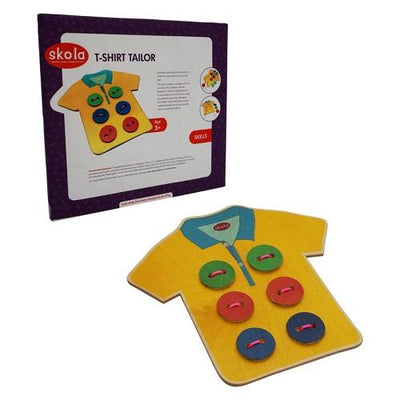
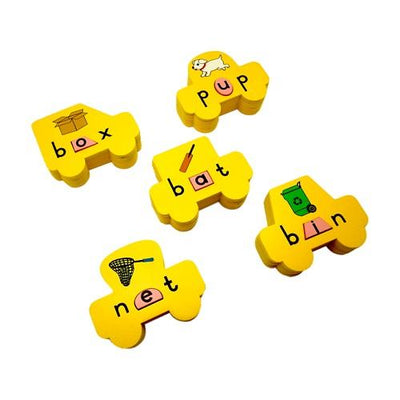
Child development experts agree that providing children with purposeful, open-ended Montessori method learning materials fosters creativity and concentration far more effectively than an abundance of fleeting plastic toys. This trend reduces household waste and teaches children the value of possessions from a young age, preparing them for a more sustainable future. Families are finding joy in decluttering and creating calmer, more intentional play spaces.
Nurturing Nature: Rekindling Outdoor Exploration and Play
The new rules of parenting prominently feature a renewed emphasis on connecting children with nature, moving beyond indoor screen time to embrace the outdoors as a primary learning environment. Inspired by initiatives promoting outdoor winter games and activities across India, parents are actively seeking ways for their children to explore parks, gardens, and even balconies. This approach directly combats the impacts of increased urbanisation and screen dependence.
Studies indicate that children who spend regular time outdoors develop stronger immune systems, better problem-solving skills, and a deeper appreciation for environmental stewardship. Whether it's tending to a small kitchen garden with grandparents or exploring local biodiversity, these sustainable family choices instill a lifelong love for the planet. Encouraging mud play or collecting natural treasures become cherished family traditions.
Intentional Screen Time: Balancing Digital with Real-World Learning
One of the definitive modern Indian parenting 2026 trends is the deliberate management of screen time, prioritising quality interactions and hands-on learning over passive digital consumption. Parents are implementing structured screen schedules and curating content, ensuring that digital engagement is educational and purposeful rather than merely a distraction. This mindful approach fosters healthier cognitive development and attention spans.
For younger children, particularly those aged 18-24 months, extensive screen exposure can impede language development and social skills, as highlighted by numerous child psychology studies. Instead, families are rediscovering the joy of sensory play, reading physical books, and engaging in collaborative games. This balance ensures children benefit from technology without being consumed by it, promoting well-rounded growth.
Community & Collaborative Living: Shared Sustainable Family Choices
Eco-conscious parenting trends India reveal a growing inclination towards community and collaborative efforts, extending sustainable family choices beyond the nuclear unit. Joint families, with their inherent sharing of resources and wisdom, naturally exemplify this principle, as grandparents often impart traditional practices of frugality and natural remedies. This collective approach amplifies environmental impact and strengthens social bonds.
Whether it’s participating in neighbourhood composting drives, sharing hand-me-down clothes, or forming groups for nature walks, Indian parents are building supportive ecosystems. This fosters a sense of collective responsibility and teaches children the power of working together for a common good. It reinforces the idea that sustainability is a shared journey, not an isolated effort.
Empowering Young Eco-Warriors: Making Sustainability a Family Habit
The ultimate goal of these new rules of parenting is to empower children to become active participants in sustainable living, making eco-consciousness a natural part of their daily routine. From waste segregation at home to choosing sustainable options, children are being taught that their small actions collectively make a big difference. This cultivates a profound sense of responsibility and agency.
SkilloToys’ activity kits, for instance, are designed to engage children in practical, eco-friendly projects, teaching them about recycling, upcycling, and biodiversity in a fun and interactive way. Child development experts state that direct involvement in such activities during formative years establishes strong ethical foundations. By 2026, many Indian families will have integrated these practices so deeply that they become second nature for the next generation.
Key Takeaways
- The new rules of parenting in India prioritise eco-conscious and mindful living, fundamentally redefining childhood in 2026.
- Indian parents are increasingly investing in high-quality, durable Montessori method learning materials over disposable items to reduce waste.
- Child development experts confirm that regular outdoor play significantly boosts children's cognitive function and appreciation for nature.
- Modern Indian parenting embraces intentional screen time management, focusing on hands-on learning and sensory experiences.
- Community and collaborative living, often influenced by joint family values, are crucial for amplifying sustainable family choices.
- Empowering children as active participants in sustainable habits fosters a deep sense of environmental responsibility from a young age.
Frequently Asked Questions About Eco-Conscious Parenting in India
What does eco-conscious parenting mean for Indian families?
Eco-conscious parenting in India means making deliberate choices that minimise environmental impact, from using sustainable products to fostering a love for nature. It integrates traditional Indian values of frugality and respect for resources with modern ecological awareness.
How are modern Indian parents balancing tradition with new parenting trends?
Modern Indian parents balance tradition by integrating eco-conscious practices into existing cultural frameworks, like using natural materials during festivals or teaching sustainability through stories. They leverage the wisdom of grandparents for practices like home gardening while adopting contemporary mindful consumption habits.
Why is mindful consumption a key trend in 2026 for Indian parents?
Mindful consumption is a key trend because Indian parents recognise the long-term benefits of investing in durable, ethically sourced products for their children. This approach reduces waste, teaches children the value of possessions, and creates a less cluttered, more purposeful home environment.
How can families encourage outdoor play for sustainable development in India?
Families can encourage outdoor play by regularly visiting local parks, creating small balcony gardens, or engaging in nature walks to explore local flora and fauna. Even simple activities like collecting leaves or drawing with chalk outdoors contribute significantly to a child's holistic and sustainable development.
What role do Montessori toys play in eco-conscious Indian parenting?
Montessori toys are integral to eco-conscious Indian parenting because they are typically made from natural, durable materials, designed for longevity and open-ended play. They encourage independent learning, reduce the need for frequent replacements, and align with a philosophy of mindful consumption and sustainable development.
Are there specific challenges for eco-conscious parenting in India?
Yes, specific challenges include the availability and affordability of truly eco-friendly products across all regions, managing societal expectations around consumption, and overcoming convenience-driven habits. However, growing awareness and local innovations are rapidly making sustainable choices more accessible and mainstream.