Pre-Loved Sustainable Toys India: An Eco-Smart Choice
Embracing pre-loved sustainable toys India represents a definitive shift towards conscious parenting, offering significant environmental and developmental advantages for children. This practice directly counters the linear 'buy-use-discard' model by extending the lifespan of quality educational materials, thereby reducing waste and conserving precious resources. Indian parents are increasingly recognizing this eco-smart choice as a practical way to foster mindful consumption within their families, aligning with a broader global trend of sustainability in baby and child products, as highlighted by initiatives like Coodle's focus on pre-loved baby gear.
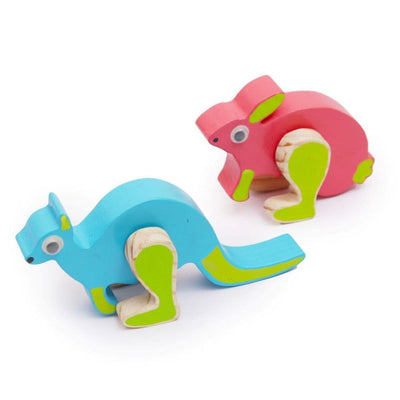
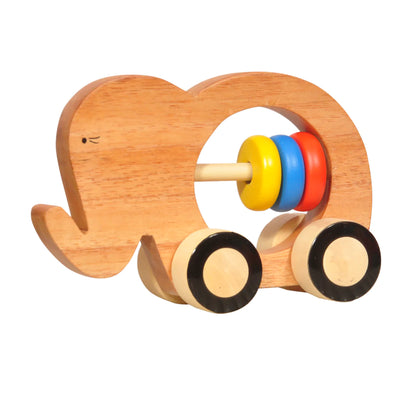
What are Pre-Loved Sustainable Toys? Pre-loved sustainable toys are high-quality, durable playthings, often crafted from natural materials like wood or metal, that are given a second life. This matters because it dramatically cuts down on manufacturing waste and carbon emissions. Indian parents can actively participate by choosing carefully vetted second-hand items for their children, promoting both eco-consciousness and economical access to enriching play experiences.
Why Pre-Loved Sustainable Toys India are Gaining Traction
The movement towards pre-loved sustainable toys in India is not just a trend; it's a values-driven choice that offers tangible benefits. Environmental studies consistently show that extending the life cycle of products, including toys, can significantly reduce their carbon footprint, with some research indicating reductions of up to 70%. For Indian households, particularly those in joint family setups where passing down items is a cherished tradition, this naturally aligns with existing cultural practices. Choosing pre-loved items for children actively participates in a circular economy, minimizing waste in landfills and conserving raw materials.
Furthermore, the economic advantage is substantial. Budget-friendly sustainable toys make high-quality educational resources accessible to more families. This allows parents to invest in premium, durable Montessori materials, which might otherwise be a significant upfront cost, without compromising their financial well-being. It's a smart way to manage household expenses while making a positive impact on the planet.
The Educational Advantage of Second-Hand Educational Toys
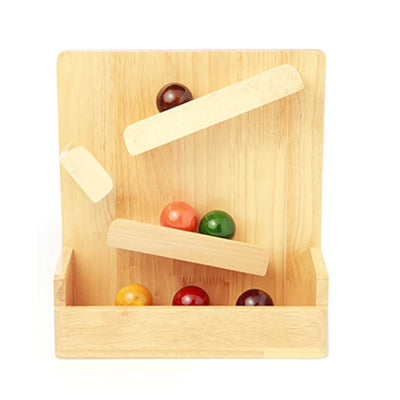
Child development experts agree that the quality of educational toys directly impacts a child's learning and development. Montessori materials, for instance, are renowned for their durable construction and timeless design, making them ideal candidates for second-hand educational toys. Items like the Pink Tower, Sandpaper Letters, or geometric solids are designed to withstand years of use across multiple children, making them excellent investments even when acquired pre-loved. Their inherent robustness means they retain their educational value and structural integrity over time.
By opting for pre-loved Montessori items, parents can provide their children with authentic, high-quality learning experiences that promote concentration, fine motor skills, and independent problem-solving. This approach ensures children, from toddlers exploring sensory bins (18-24 months) to preschoolers mastering practical life skills (3-6 years), have access to rich developmental tools. It's a testament to the enduring design principles of Maria Montessori that these materials continue to be relevant and beneficial for subsequent generations, fitting perfectly into the Indian tradition of valuing enduring quality.
A Practical Guide to Reusing Kids Toys India Safely
For Indian parents considering reusing kids toys India, safety is paramount. The first step involves a thorough inspection of the toy for any broken parts, sharp edges, or choking hazards, especially for younger children. Ensure all components are present and intact. If it's a wooden toy, check for splinters or cracks; for fabric items, look for tears or loose stitching. It is crucial to verify that the toy has no small, detachable parts that could pose a risk to infants or toddlers.
Once inspected, a rigorous cleaning process is essential. Wooden toys can be wiped down with a mild disinfectant solution and air-dried completely. Plastic toys can be washed with soap and water, or even run through a dishwasher if suitable. Fabric toys should be laundered on a hot cycle. This diligent approach ensures that any pre-loved item is hygienic and safe for your child's play, contributing to a truly eco-friendly toy exchange within the community.
Finding Quality Pre-Loved Montessori Materials
Finding quality pre-loved Montessori materials requires a discerning eye but is entirely achievable in India's growing market for sustainable goods. Start by exploring local parenting groups on social media platforms, where families often exchange or sell items. Community initiatives and sustainable marketplaces are also emerging platforms, mirroring broader societal shifts towards conscious consumption, much like the DU college's sustainable initiatives. When browsing, prioritize materials made from natural, non-toxic elements like solid wood, metal, or natural fabrics, which are designed for durability and longevity.
Always inquire about the toy's history, its previous usage, and any repairs made. Genuine Montessori materials from reputable manufacturers are built to last, often outliving several children while maintaining their pedagogical purpose. This inherent durability makes them excellent candidates for second-hand acquisition, providing continued value for learning and development.
Embracing a Sustainable Toy Sharing Culture
Beyond individual purchases, embracing a sustainable toy sharing culture is a powerful way for Indian families to foster community and reduce environmental impact. Toy libraries, often found in urban centers, allow children to access a diverse range of educational toys without families needing to own them all. This promotes rotational play, keeping children's enthusiasm and curiosity alive, as noted by sources like The Better India, and ensures toys are consistently used to their full potential.
Organizing toy exchange events within apartment complexes, neighborhoods, or even among relatives during festivals can also facilitate the healthy circulation of toys. This not only makes high-quality educational toys more accessible and budget-friendly but also instills values of sharing and resourcefulness in children from a young age. It transforms individual eco-choices into collective community action, reflecting India's strong sense of shared responsibility.
Conclusion: A Brighter Future with Mindful Play
Choosing pre-loved sustainable toys is a proactive and impactful decision for environmentally aware Indian parents. It's a commitment to reducing waste, conserving resources, and providing children with high-quality, enriching educational experiences, often rooted in Montessori principles, without straining household budgets. By extending the life of toys, participating in sustainable toy sharing, and carefully selecting second-hand items, families contribute significantly to a greener future for our planet and nurture a generation of mindful citizens. SkilloToys encourages every parent to explore this eco-smart path, fostering learning and sustainability hand-in-hand.
- Choosing pre-loved sustainable toys in India significantly reduces waste and carbon footprint.
- Second-hand educational toys offer high-quality learning experiences at a fraction of the cost.
- Maria Montessori's durable materials are ideal for reusing kids' toys across generations.
- Safe inspection and cleaning are crucial for adopting an eco-friendly toy exchange model.
- Embracing sustainable toy sharing fosters community and mindful consumption in Indian homes.
- Research indicates that extending toy life cycle can cut emissions by up to 70%.
What are the environmental benefits of choosing pre-loved toys?
Choosing pre-loved toys significantly reduces demand for new manufacturing, conserving raw materials, energy, and water. This practice lowers carbon emissions associated with production and transportation, directly mitigating the environmental footprint of toy consumption and reducing landfill waste.
Are second-hand educational toys safe for my child?
Yes, second-hand educational toys can be perfectly safe if parents carefully inspect them for damage, ensure they meet current safety standards, and thoroughly clean them. Prioritizing durable, non-toxic materials like those found in Montessori items further enhances safety and longevity.
How can I find good quality pre-loved Montessori materials in India?
You can find good quality pre-loved Montessori materials through local parent groups, online marketplaces, community drives, or specialized stores that vet second-hand items. Look for robust wooden pieces, complete sets, and items free from significant wear or damage, which Montessori materials are often designed to withstand.
What is the role of sustainable toy sharing in Indian communities?
Sustainable toy sharing in Indian communities fosters a sense of collective responsibility and reduces individual consumption by circulating toys among families. This promotes affordability, expands access to diverse educational toys, and strengthens community bonds through mutual support and eco-conscious practices.
How does reusing kids' toys contribute to a budget-friendly sustainable lifestyle?
Reusing kids' toys directly contributes to a budget-friendly sustainable lifestyle by eliminating the need to purchase new items, saving significant costs over time. It allows families to acquire high-quality, often more durable, educational toys at a fraction of their original price, making sustainable choices economically accessible.