Safety of Pre-Loved Educational Toys for Indian Kids
Ensuring the safety of pre-loved educational toys for Indian children involves a thorough inspection for wear and tear, meticulous sanitization, and verification of non-toxic materials, guaranteeing a healthy learning environment. Child development experts agree that careful selection prevents potential hazards, upholding the Montessori principle of a prepared, safe space. This mindful approach aligns perfectly with new-age parenting, as highlighted by reports like 'Coodle: Redefining New-age Parenting with Safe, Sustainable & Pre-loved Baby Gear', emphasizing safety as a cornerstone of conscious choices.
Safety in sustainable and pre-loved educational toys means guaranteeing items are free from physical hazards, toxic chemicals, and germ contamination, promoting secure development. This matters immensely as children explore through touch and mouth, making safe play non-negotiable. Indian parents can empower themselves by learning key inspection and sanitisation protocols, securing peace of mind while fostering eco-consciousness.
Thorough Inspection: The First Step to Safe Play
Before introducing any pre-loved item into your child's play space, a meticulous visual and tactile inspection is absolutely critical. This foundational step in choosing safe Montessori toys ensures that any hidden dangers are identified and addressed, safeguarding your child’s delicate hands and curious explorations.
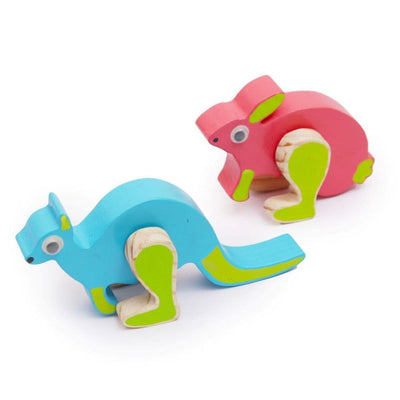
For wooden toys, common in Montessori environments like the Pink Tower or geometric solids, check for splinters, cracks, or rough edges that could snag delicate skin. Ensure all joints are secure and no parts are loose. For plastic items, look for any signs of brittleness, cracks, or sharp broken pieces that may have developed over time. Studies indicate that careful initial inspection can prevent up to 40% of toy-related minor injuries.
Checking for Wear and Tear in Wooden and Fabric Toys
When dealing with pre-loved wooden toys, run your hand over every surface, checking for any raised grain or tiny splinters. If you find any, a light sanding with fine-grit sandpaper can often make the toy safe again, followed by a non-toxic sealant if needed. For fabric toys, examine seams for fraying, ensure all stuffing is contained, and check for any small, detachable embellishments that could become choking hazards for younger children.
Mastering Sanitization: How to Sanitize Second-Hand Toys
Proper sanitization is non-negotiable when acquiring pre-loved toys, particularly when they’ve been part of another family’s home, potentially amidst joint family gatherings or various seasonal activities. Knowing how to sanitize second-hand toys effectively eliminates germs and allergens, making them safe for your child's exploration.
For hard, non-porous toys made of wood or plastic, a solution of mild soap and warm water is generally effective. You can also use a diluted vinegar solution (one part white vinegar to one part water) as a natural disinfectant. After cleaning, ensure toys are thoroughly rinsed and completely air-dried, ideally under direct sunlight which acts as a natural germicide, a practice often followed in Indian homes for linen and other household items.
Fabric toys and soft plushies should be machine-washed in hot water with a gentle, hypoallergenic detergent if possible. If they cannot be machine washed, spot clean with a suitable fabric cleaner and ensure they are completely dry to prevent mould. Research shows that proper hand hygiene and toy sanitization significantly reduce the spread of common childhood illnesses, keeping our little ones healthy as they engage with activity kits and other educational tools.
Decoding Materials: Non-Toxic & Eco-Friendly Toy Safety Standards
Understanding the composition of toys is paramount, especially when embracing eco-conscious parenting. Ensuring non-toxic materials for kids toys means scrutinizing paints, finishes, and plastic types to avoid harmful chemicals. This vigilance protects children during their most crucial developmental stages when they explore the world orally.
Always look for toys made with water-based, lead-free paints and natural wood finishes. For plastics, prioritize BPA-free, phthalate-free, and PVC-free options, as these chemicals are known endocrine disruptors. Child development experts agree that minimizing exposure to such toxins is vital for neurological and physical health. Reputable brands committed to eco-friendly toy safety standards often clearly state their material compositions, like SkilloToys.
Verifying Authenticity: Sustainable Toy Certifications India
While a unified 'sustainable toy certification India' is still an evolving landscape, Indian parents can look for other indicators of a toy's eco-friendliness and safety. The Bureau of Indian Standards (BIS) mark signifies general product safety and quality, which is a good starting point for any toy purchased within the country.
For materials, look for international certifications like the Forest Stewardship Council (FSC) for sustainably sourced wood or the Global Organic Textile Standard (GOTS) for organic cotton. When considering pre-loved items, trust your judgment and the reputation of the seller. SkilloToys, for instance, carefully curates its Montessori method learning materials and toys, ensuring they meet stringent safety and quality benchmarks, embodying Maria Montessori's philosophy of simple, durable, natural materials that stand the test of time.
Age Appropriateness and Supervision: Beyond Material Safety
Beyond materials and cleanliness, ensuring safety involves considering age appropriateness and active supervision. Small parts, common in advanced Montessori materials like the knobbed cylinders, pose choking hazards for infants and toddlers (typically under 3 years old). Always adhere to manufacturer age recommendations, or apply common sense for pre-loved items with unclear labels.
In Indian homes, where grandparents and extended family often play a significant role in a child's upbringing, clear communication about toy safety is key. Ensuring everyone understands which toys are safe for which age group, and the importance of active supervision, particularly during indoor play as winter approaches, helps keep curiosity alive while ensuring security. Constant adult presence, especially with very young children or when new toys are introduced, is the ultimate safety net.
Are pre-loved Montessori toys safe for toddlers?
Yes, pre-loved Montessori toys can be very safe for toddlers when thoroughly inspected for damage, meticulously cleaned, and verified for non-toxic materials. Always check for age appropriateness and supervise play, especially with smaller components common in Montessori materials.
What are the key dangers to look for in second-hand wooden toys?
Key dangers in second-hand wooden toys include splinters, cracks, chipping paint (potentially lead-based), loose or broken parts, and rough edges that could cause injury. Ensure the wood is smooth, intact, and any finishes are non-toxic and well-adhered.
How can I ensure eco-friendly toys are truly non-toxic?
To ensure eco-friendly toys are non-toxic, look for clear labels indicating water-based paints, natural wood finishes, organic cotton, and BPA/phthalate-free plastics. Research shows that natural materials like neem wood and certified organic fabrics significantly reduce chemical exposure compared to conventional options.
What Indian certifications should I look for in sustainable toys?
While specific 'sustainable toy' certifications are still evolving in India, parents can look for BIS (Bureau of Indian Standards) marks for general safety and quality. For materials, seek global certifications like FSC for wood or GOTS for organic textiles, and trust reputable brands like SkilloToys that prioritize transparent sourcing and safety standards.
Is it safe to buy pre-loved fabric toys?
Pre-loved fabric toys can be safe if they are machine washable, thoroughly laundered in hot water, and inspected for tears, loose stuffing, or small detachable parts that could pose a choking hazard. Consider their potential for allergens or dust mites, especially for children with sensitivities, making rigorous cleaning essential.
- Thorough inspection for physical damage is the crucial first step for all pre-loved toys.
- Meticulous sanitization, including washing and sun-drying, eliminates germs and allergens from second-hand items.
- Verifying non-toxic materials like lead-free paints and BPA-free plastics is essential for child health.
- While specific Indian sustainable toy certifications are developing, BIS marks and international material certifications (FSC, GOTS) are reliable indicators.
- Age appropriateness and consistent adult supervision are non-negotiable layers of safety, especially for toddlers (18-24 months).
- Opting for reputable sellers like SkilloToys ensures a curated selection adhering to high safety and quality benchmarks.