Sustainable Baby Care Products India: An Eco-Friendly Guide
Making conscious choices for your little one's well-being and the planet is at the heart of conscious parenting. Opting for sustainable baby care products India offers a direct way to reduce environmental impact and ensure non-toxic essentials for your child's delicate skin. As awareness grows, major Indian brands like Johnson's Baby and Himalaya BabyCare are launching new, sustainable ranges, making eco-friendly choices more accessible than ever for families across Bengaluru and beyond.
This guide empowers Indian parents to navigate the burgeoning market of eco-friendly baby products, understanding what to look for and why these choices matter. From daily essentials to special care items, embracing sustainability in baby care is a practical step towards a greener future for our children.
What Are Sustainable Baby Care Products?
Sustainable baby care products are formulated with natural, non-toxic ingredients and packaged to minimize environmental impact. This matters because they protect sensitive infant skin from harsh chemicals while reducing waste and promoting a healthier planet. Indian parents can actively seek out brands transparent about their ingredients and ethical sourcing.
Why Eco-Friendly Baby Products Matter for Indian Families
In Indian households, where children are often nurtured within close-knit joint families, the health and safety of the youngest members are paramount. Choosing eco-friendly baby products extends this care beyond the immediate family to the broader environment that future generations will inherit. It's about ensuring a safe internal and external environment for your child.
Prioritising Non-Toxic Baby Essentials
Research indicates that a significant percentage of common baby products contain potentially irritating chemicals like parabens, phthalates, and synthetic fragrances. These substances can be harsh on a baby's delicate skin, which is thinner and more permeable than adult skin. Opting for non-toxic baby essentials means selecting products free from these harmful additives, reducing the risk of allergies, rashes, and long-term health concerns.
Child development experts agree that a healthy start free from environmental toxins supports optimal growth and well-being. This is especially crucial in India, where traditional practices often emphasize natural remedies and ingredients for infants. Embracing eco-friendly choices aligns perfectly with this deeply ingrained cultural value of natural care.
Navigating the Market: Identifying Sustainable Baby Care Products India
The market for eco-friendly baby products in India is expanding rapidly, presenting both opportunities and challenges for conscious parents. Knowing what certifications to look for and understanding ingredient labels is key to making informed decisions. Don't be swayed by mere 'greenwashing'; genuine sustainability requires transparency.
What to Look for in Organic Baby Care India
When searching for organic baby care India, prioritize products that clearly list all ingredients and avoid obscure chemical names. Look for certifications like 'USDA Organic' or 'Ecocert' for personal care items, indicating a high percentage of organic ingredients. Beyond ingredients, consider the packaging: is it recyclable, compostable, or made from recycled content?
Many local Indian brands are now formulating products with traditional ingredients like neem, tulsi, and aloe vera, known for their natural healing properties, combined with sustainable practices. Supporting these brands not only helps the local economy but often provides genuinely natural and effective solutions for your baby.
Major Brands Leading the Way: Johnson's Baby & Himalaya BabyCare
The recent announcements from industry giants like Johnson's Baby and Himalaya BabyCare signal a significant shift towards greater sustainability in the Indian market. Johnson's Baby, for instance, has unveiled an upgraded, sustainable range with a focus on ingredient transparency and gentle formulations, accompanied by their 'It's Pure Love' campaign. Similarly, Himalaya BabyCare is actively promoting a 'greener future' through their sustainable initiatives.
This commitment from established brands means that access to trusted, eco-friendly options is no longer limited to niche markets. It makes it easier for parents in urban centres like Bengaluru and smaller towns alike to choose products that are good for their babies and the planet, often found right in their local pharmacies and supermarkets.
Practical Tips for Conscious Parenting Baby Products
Adopting sustainable practices in baby care doesn't have to be overwhelming. Start small and gradually integrate more eco-friendly choices into your routine. Every conscious decision contributes to a larger positive impact.
- Read Labels Carefully: Always check ingredient lists for harsh chemicals, artificial fragrances, and dyes. Familiarize yourself with common offenders.
- Opt for Multi-Purpose Products: Reduce consumption by choosing items that serve more than one function, like a gentle cleanser that doubles as a shampoo.
- Choose Concentrates & Refills: Many brands now offer concentrated formulas or refill pouches, significantly reducing plastic waste.
- Support Local & Ethical Brands: Prioritize brands that are transparent about their sourcing, manufacturing processes, and commitment to fair labor and environmental practices.
- Embrace Reusables: Consider cloth diapers, reusable wipes, and washable cotton burp cloths to cut down on disposable waste, a common practice in many Indian homes.
Beyond Baby Care: Extending Sustainability
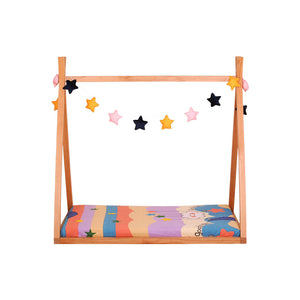
The philosophy of conscious parenting extends beyond just personal care products. Just as you choose non-toxic lotions, consider the materials in your child's playtime. Montessori-inspired learning materials, made from natural wood, offer a sustainable alternative to plastic toys, fostering holistic development. Explore SkilloToys' range of activity kits and wooden toys that complement an eco-conscious lifestyle, encouraging creativity and problem-solving through sustainable play.
Remember, sustainability is a journey, not a destination. Each small step taken by Indian parents to choose sustainable baby care products contributes to a healthier environment for all children. Your choices today pave the way for a brighter, greener tomorrow.
- Sustainable baby care products prioritize natural, non-toxic ingredients and eco-friendly packaging to protect both infants and the environment.
- Major Indian brands like Johnson's Baby and Himalaya BabyCare are actively promoting new, sustainable ranges, increasing accessibility for parents.
- Non-toxic baby essentials are crucial for sensitive infant skin, reducing exposure to harsh chemicals linked to allergies and irritation.
- Identifying truly sustainable products requires scrutinizing ingredient lists, looking for certifications, and assessing packaging for recyclability or biodegradability.
- Embracing practices like reading labels, choosing multi-purpose items, and supporting local ethical brands are practical steps for conscious parenting in India.
- The shift towards eco-conscious baby care aligns with traditional Indian values of natural remedies and holistic well-being for children.
What makes a baby product truly eco-friendly in India?
A truly eco-friendly baby product in India uses natural, non-toxic, biodegradable ingredients, responsibly sourced, and packaged in minimal, recyclable, or compostable materials. It considers its entire lifecycle, from production to disposal, minimizing its carbon footprint and harm to the environment.
Are organic baby care products always sustainable?
Organic baby care products are often a step towards sustainability, focusing on natural ingredients free from pesticides. However, 'organic' doesn't automatically guarantee sustainable packaging, ethical sourcing, or a low carbon footprint. It's essential to look beyond just the organic label to understand the brand's overall commitment to sustainability.
How do I identify non-toxic baby essentials?
To identify non-toxic baby essentials, look for products free from parabens, phthalates, sulfates, artificial fragrances, and dyes, often indicated by specific certifications. Check ingredient lists for natural, plant-derived components and research brands known for transparency and commitment to safety standards for sensitive infant skin.
What is the impact of major brands like Johnson's Baby embracing sustainability?
When major brands like Johnson's Baby and Himalaya BabyCare embrace sustainability, it significantly broadens access to eco-friendly options for Indian parents and normalizes conscious consumption. This shift encourages industry-wide change, drives innovation in sustainable practices, and makes it easier for families across India to make responsible choices.
Can sustainable baby care be affordable for Indian families?
Yes, sustainable baby care can be affordable for Indian families, especially when considering the long-term benefits of fewer health issues and reduced waste. While some initial purchases might seem higher, options like refill packs, DIY solutions, and local brands focused on natural ingredients are becoming increasingly budget-friendly, often saving money over time.