Sustainable Baby Care Products India: Spotting Greenwashing
As prominent campaigns, like Johnson's Baby's new 'sustainable range' featuring popular personalities, captivate Indian parents, it’s crucial to understand what truly constitutes sustainable baby care products India. For environmentally aware families in Bengaluru and beyond, identifying genuine eco-friendly options amidst greenwashing claims requires a discerning eye and a commitment to transparent, responsible choices for their children.
This guide empowers you to move beyond marketing hype and make informed decisions, ensuring the products you choose truly align with your values for a healthier baby and a healthier planet. We believe that conscious parenting extends to every choice, from playtime with Montessori learning materials to daily care routines.
What are Sustainable Baby Care Products?
Sustainable baby care products are those manufactured with minimal environmental impact, using renewable resources, ethical labour, and promoting product longevity. This matters because conscious choices reduce your family's carbon footprint and protect your child from harmful chemicals. Indian parents can empower themselves by scrutinising labels and supporting brands committed to transparency.
Child development experts agree that a healthy environment fosters better growth, and reducing chemical exposure from early childhood is vital. This holistic approach supports both the immediate well-being of our little ones and the long-term health of our planet, aligning with a future where children can explore and thrive.
Decoding Greenwashing in Baby Products: What Indian Parents Need to Know
The term 'greenwashing' refers to misleading marketing tactics used by companies to appear more environmentally friendly than they truly are, a growing concern with baby products in India. Brands often use vague claims like 'eco-friendly' or 'natural' without providing substantial evidence or transparent ingredient lists. This makes it challenging for parents, who are often juggling family responsibilities and school pressures, to make truly informed choices.
To navigate this, scrutinise labels for specific certifications from recognised bodies, rather than relying on generic green imagery or buzzwords. For instance, a product might claim to be 'plant-based' but still use unsustainable farming practices or harmful chemical additives. Research shows that consumer skepticism towards environmental claims has risen significantly, with up to 60% of sustainability claims by fashion brands found to be unsubstantiated globally.
Always check ingredient lists for chemicals like phthalates, parabens, and synthetic fragrances, even in products claiming to be 'gentle' or 'pure.' Remember that genuine sustainability requires a holistic approach, from raw material sourcing to packaging disposal. Parents should also critically evaluate high-profile campaigns, like the recent Johnson's Baby initiative, and ask probing questions about the specifics of their 'sustainable range.'
Key Pillars of Truly Eco-Friendly Baby Products in India
Truly eco-friendly baby products in India are defined by several non-negotiable pillars. Firstly, materials matter: opt for organic cotton, bamboo, or sustainably sourced wood, avoiding plastics wherever possible. These materials are biodegradable, renewable, and significantly reduce reliance on petrochemicals, which have a substantial environmental footprint.
Secondly, manufacturing processes must be ethical and low-impact. Look for brands that minimise water usage, energy consumption, and waste generation, often powered by renewable energy. Studies indicate that choosing locally made products can also reduce carbon emissions associated with long-distance transportation, supporting India's sustainable development goals.
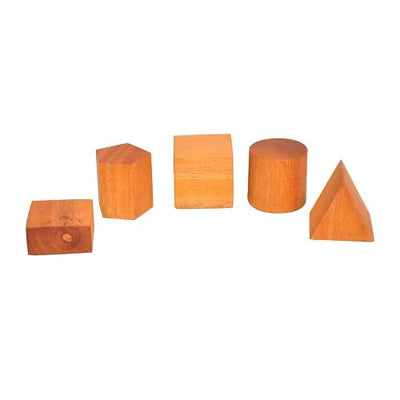
Thirdly, packaging is critical. Sustainable options feature minimal, recyclable, compostable, or reusable packaging, moving away from single-use plastics. Finally, product longevity and reusability are paramount. For example, durable wooden activityKits or Montessori materials are designed to last for years, often passing down through generations within joint families, embodying true sustainability. Maria Montessori herself championed natural, long-lasting materials that respect both the child and the environment.
Choosing Natural Baby Products for Holistic Well-being
Choosing natural baby products means prioritising ingredients derived from nature, free from harsh chemicals that can irritate delicate skin or disrupt endocrine systems. This includes opting for cleansers, lotions, and oils made with organic plant extracts, essential oils, and mineral-based components. Such choices are particularly important in India's diverse climate, where skin can be prone to various sensitivities.
Paediatricians and dermatologists often recommend natural, fragrance-free products for infants, especially during the crucial first 18-24 months of development when their skin barrier is still maturing. Research consistently links exposure to certain synthetic chemicals in early life with potential long-term health issues. By choosing natural, Indian parents provide a safer, gentler foundation for their child's well-being, fostering resilience from the very start.
Moreover, natural products often decompose more readily, reducing their environmental impact after use. This conscious choice extends beyond immediate health benefits, contributing to a cleaner ecosystem for future generations to enjoy festivals, outdoor play, and family gatherings in healthy surroundings.
Conscious Parenting Beyond Products: A Holistic Approach
Conscious parenting extends far beyond the products we buy; it's a philosophy that integrates sustainable living into every aspect of family life. This includes reducing overall consumption, embracing DIY solutions for common baby needs, and actively recycling and upcycling within the home, a practice deeply ingrained in many Indian households. For instance, traditional remedies passed down by grandparents often offer sustainable alternatives to commercial products.
Integrating practices like composting food waste, teaching children to conserve water, and choosing experiences over material possessions aligns perfectly with the 'Eco & Sustainable Parenting' ethos. Maria Montessori's philosophy, which encourages children to interact with and respect their environment through practical life activities, provides an excellent framework for this. Offering a child durable, open-ended wooden toys rather than short-lived plastic items not only fosters creativity but also teaches valuable lessons about sustainability.
Ultimately, a holistic approach to conscious parenting empowers families to live mindfully, reduce their environmental footprint, and raise children who are not only aware but also active participants in creating a more sustainable future for India. This proactive approach ensures children grow up valuing the planet, ready to embrace the challenges of a rapidly changing world.
- Genuine sustainable baby care in India requires scrutinising labels beyond marketing hype.
- Greenwashing involves vague claims; look for specific third-party certifications and transparent ingredient lists.
- Truly eco-friendly products prioritise organic, renewable materials, ethical manufacturing, and minimal, recyclable packaging.
- Natural products reduce chemical exposure, supporting a child's delicate skin and overall development.
- Conscious parenting integrates sustainable living into daily life, reducing consumption and promoting environmental respect.
- Maria Montessori's principles advocate for durable, natural materials that foster respect for the child and environment.
How can Indian parents identify greenwashing in baby products?
Indian parents can identify greenwashing by looking for specific certifications, avoiding vague terms like 'natural' without ingredient lists, and researching brand transparency. Always scrutinise claims about packaging, ingredients, and manufacturing processes before trusting a brand's sustainability pledge.
What are the key characteristics of truly eco-friendly baby products?
Truly eco-friendly baby products are made from renewable, non-toxic, and ethically sourced materials with minimal environmental impact during production. They often feature recyclable or compostable packaging and are designed for durability and reusability, reducing overall waste.
Are natural baby products always sustainable?
Natural baby products are not always inherently sustainable. While 'natural' often implies chemical-free ingredients, sustainability encompasses the entire lifecycle, including sourcing, manufacturing processes, packaging, and waste. Always check for certifications and transparency regarding a product's full environmental footprint.
Why is choosing sustainable baby care important for child development?
Choosing sustainable baby care products is important because it reduces a child's exposure to potentially harmful chemicals, supporting healthier physical development. Furthermore, it instils values of environmental responsibility from an early age, aligning with Montessori principles of respecting nature and fostering a love for the planet.
Where can Indian parents find reliable sustainable baby care brands?
Indian parents can find reliable sustainable baby care brands by researching local businesses that prioritise ethical sourcing and transparent production. Look for brands with credible third-party certifications, positive parent reviews, and clear information about their environmental and social practices, often available online through platforms like SkilloToys.