Sustainable Educational Toys India: Decoding Eco-Labels
Decoding eco-labels for sustainable educational toys India is essential for parents committed to mindful consumption and a greener future for their children. Research shows that genuine sustainability goes beyond mere marketing, demanding a critical eye to ensure products align with environmental values. This guide equips Indian parents to confidently identify truly eco-friendly options amidst a growing market.
What is Greenwashing in Educational Toys?
Greenwashing in educational toys is when companies deceptively market products as environmentally friendly without genuine sustainable practices. This matters because it misleads eco-conscious parents, undermining their efforts to make responsible choices for their children's development and the planet. Indian parents can combat this by understanding common deceptive tactics and scrutinising eco-labels effectively.
Beyond Buzzwords: What Makes Montessori Sustainable Toys Truly Eco-Friendly?
When selecting montessori sustainable toys, discerning parents look for several key attributes. True sustainability encompasses the entire product lifecycle, from raw material sourcing to disposal. Child development experts, like Maria Montessori, championed the use of natural, durable materials, advocating for toys that are not only safe and engaging but also respectful of the environment.
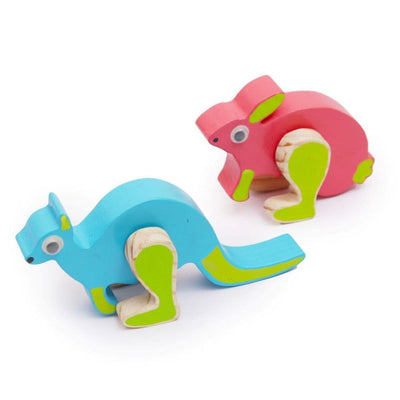
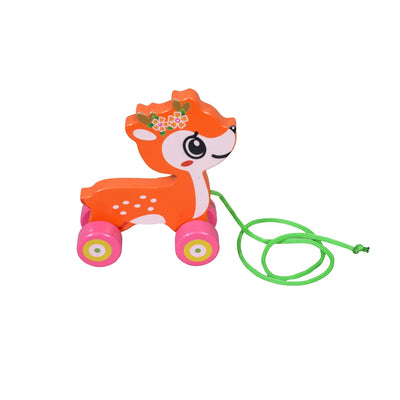
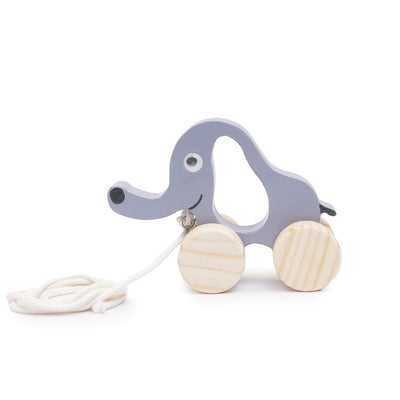
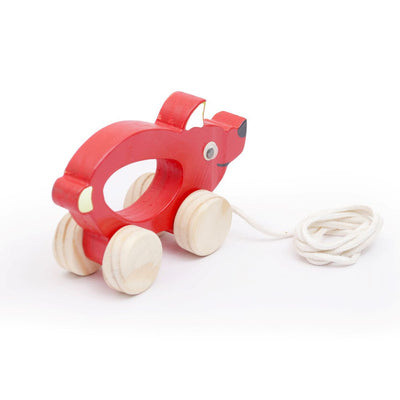
Authentically sustainable toys typically feature materials like FSC-certified wood, organic cotton, natural rubber, and non-toxic, water-based paints. These choices minimise environmental impact and ensure children are not exposed to harmful chemicals during play. Moreover, the manufacturing process should prioritise ethical labour, reduced waste, and energy efficiency, a commitment reflected in brands like Coodle, which advocates for sustainable baby gear.
Durability is another hallmark of sustainable toys, especially within the Montessori philosophy. Toys designed to last for years, withstand rigorous play, and be passed down through generations – perhaps even to younger cousins or future family members – reduce consumption and waste. This focus on longevity makes high-quality wooden puzzles or Montessori activity kits an excellent investment for eco-conscious homes.
Deciphering Eco-Friendly Toys Labels: A Guide for Indian Parents
Navigating eco-friendly toys labels in the Indian market requires understanding what certifications genuinely signify. Many brands use vague terms like "natural" or "green," but true transparency comes with specific, verifiable certifications. These labels are crucial signposts for identifying products that meet stringent environmental and social standards.
Look for globally recognised certifications such as:
- FSC (Forest Stewardship Council): Guarantees wood is sourced from responsibly managed forests, promoting ecological balance and social benefit. Many quality wooden Montessori materials will carry this.
- GOTS (Global Organic Textile Standard): Certifies organic textiles from raw material to finished product, ensuring environmental and social criteria are met, relevant for soft toys or fabric-based learning tools.
- OEKO-TEX Standard 100: Ensures textiles are tested for harmful substances, a critical factor for children's toys and clothing, much like the sustainable kidswear range recently launched by Kidbea x Indian Silk House Agencies.
- BIS (Bureau of Indian Standards) & ISI Mark: While primarily safety and quality certifications in India, they indicate a product meets national standards, including sometimes material safety. For toys, looking for IS 9873 or IS 15644 (for electric toys) is essential for overall product integrity.
Remember, a legitimate certification often includes a logo and a registration number that can be verified online. Parents should be wary of self-declared labels that lack third-party verification, as these are often superficial claims without substance.
Spotting Greenwashing Toys India: Red Flags to Watch Out For
The rise in demand for eco-conscious products, including greenwashing toys India, has unfortunately led to a surge in misleading marketing. A 2021 study by the European Commission revealed that 42% of green claims made online were exaggerated, false, or deceptive. For Indian parents, identifying greenwashing is key to making truly ethical purchases.
Key red flags include:
- Vague or meaningless terms: Phrases like "earth-friendly," "all-natural," or "non-toxic" without specific certifications or ingredients lists are often signals of greenwashing. Ask: What makes it non-toxic? Where is the proof?
- "Green by association": Products with packaging featuring lush green leaves, earthy tones, or images of nature, but no actual sustainable credentials. This visual appeal can be a powerful but deceptive tool.
- Irrelevant claims: Highlighting an eco-feature that is legally mandated or common practice (e.g., "CFC-free" for products where CFCs are banned) rather than a voluntary sustainable choice.
- Lack of transparency: Reputable brands provide detailed information about their sourcing, manufacturing processes, and certifications. If this information is hard to find or absent, it's a cause for concern.
- Overemphasis on a single attribute: A toy might claim to be "recycled" but use non-toxic paints or be produced with high carbon emissions. True sustainability considers the entire lifecycle.
Empowering yourself with this knowledge ensures your choice of Montessori learning materials aligns with both educational principles and environmental integrity.
Making Eco-Conscious Educational Toys Choices for a Brighter Future
Choosing eco-conscious educational toys is a powerful way for Indian parents to teach their children about responsibility and environmental stewardship. By prioritising durability, natural materials, and ethical production, parents invest in toys that offer profound developmental benefits and respect our planet.
When selecting toys, consider their longevity and potential for open-ended play. A sturdy wooden building block set, for instance, offers years of imaginative play, fostering creativity and problem-solving from toddlers (18-24 months) to older children. Maria Montessori herself emphasised materials that are robust, tactile, and designed for repeated, purposeful use, mirroring the ethos of true sustainability.
This mindful approach extends beyond the purchase. Encouraging children to care for their toys, repair rather than discard, and appreciate the resources used to create them instils valuable life lessons. Ultimately, decoding eco-labels empowers Indian families to make choices that support both their child's holistic development and a healthier environment for generations to come.
- Decoding eco-labels is crucial for Indian parents to identify genuinely sustainable educational toys and avoid greenwashing.
- True sustainability in toys considers materials (FSC-certified wood, organic cotton), ethical manufacturing, and product longevity.
- Globally recognised certifications like FSC, GOTS, and OEKO-TEX Standard 100 provide verifiable proof of environmental claims.
- Greenwashing often involves vague claims, misleading imagery, or irrelevant statements without third-party verification.
- Choosing durable, open-ended Montessori learning materials from reputable brands supports both child development and environmental responsibility.
- A significant percentage of online "green claims" have been found to be deceptive, necessitating parental vigilance in the Indian market.
How can I verify if an eco-label on a toy is legitimate in India?
To verify an eco-label, look for specific certification logos like FSC or GOTS, which often include a registration number. Reputable certifications provide a public database where you can cross-reference the product or brand's claim, ensuring third-party verification.
What are the most common greenwashing tactics used by toy brands in India?
Common greenwashing tactics include using vague terms like "natural" or "eco-friendly" without specific details, employing excessive green imagery on packaging, and highlighting a single minor "green" attribute while ignoring overall environmental impact. A lack of transparent information about sourcing or manufacturing is also a red flag.
Are all Montessori educational toys considered sustainable?
While the Montessori philosophy inherently values natural, durable materials, not all toys marketed as "Montessori" are genuinely sustainable. It is essential to examine the specific materials, manufacturing processes, and certifications of each item, even if it aligns with Montessori principles.
Beyond labels, what should Indian parents consider for truly eco-conscious educational toy choices?
Beyond labels, Indian parents should consider the toy's durability, its potential for open-ended play, and whether it can be repaired or passed down. Opting for reputable brands known for transparency and ethical practices, and prioritising natural, non-toxic materials, ensures truly eco-conscious choices.
Why is durability a key factor in choosing sustainable educational toys?
Durability is a key factor because long-lasting toys reduce the need for frequent replacements, thereby decreasing waste and consumption of new resources. Toys that can withstand years of play and be passed down through children embody true sustainability by extending their lifecycle and value.