Sustainable Toy Brands India: Inspiring Eco-Conscious Play
The landscape of Indian parenting is rapidly evolving, with a growing number of families prioritising mindful choices, especially when it comes to their children's play. Visionaries behind sustainable toy brands India are at the forefront of this movement, pioneering eco-conscious products that blend education with environmental responsibility. Individuals like Meeta Sharma Gupta, among many others highlighted in recent news, exemplify the entrepreneurial spirit driving a significant shift towards ethical and nature-friendly play experiences for children across the nation.
Sustainable toy brands are companies committed to designing, producing, and distributing toys using environmentally friendly materials and ethical practices. This matters because children's early experiences shape their values, and choosing sustainable toys reduces ecological footprint while promoting conscious consumption. Indian parents can empower their children with toys that are safe, durable, and kind to the planet, aligning with a future-forward parenting approach.
The Visionaries Pioneering Sustainable Toy Brands India
Behind every great movement are the individuals who dare to dream differently, and the world of eco-friendly play in India is no exception. These eco-friendly toy entrepreneurs India are not just building businesses; they are crafting legacies rooted in sustainability and child development. Their inspiration often stems from a personal commitment to the environment and a deep understanding of what Indian children truly need for holistic growth, moving beyond the transient appeal of mass-produced plastic.
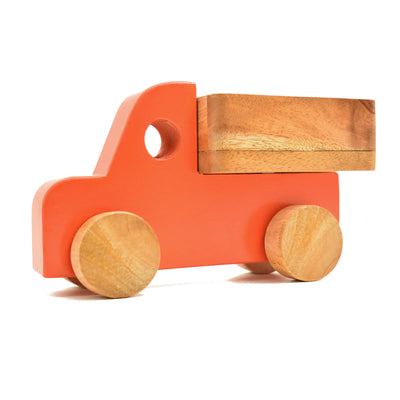
These visionaries meticulously choose materials like neem wood, organic cotton, and natural dyes, ensuring that every product is safe for children and gentle on the planet. They are redefining the toy industry by demonstrating that profitability and purpose can coexist harmoniously. This approach resonates with the 'new rules of parenting' highlighted by The Times of India, where families increasingly seek products that reflect their values and contribute positively to society and the environment.
Ethical Toy Manufacturing India: Crafting a Conscientious Future
The commitment to sustainability extends far beyond the final product, delving deep into the manufacturing processes that define ethical toy manufacturing India. These brands consciously choose practices that minimise environmental impact, from reducing water usage to adopting renewable energy sources in their workshops. Research by the Ellen MacArthur Foundation indicates that approximately 80% of toys globally end up in landfills or incinerators, highlighting the urgent need for sustainable alternatives and driving Indian manufacturers to innovate.
Furthermore, ethical considerations are paramount, ensuring fair wages, safe working conditions, and empowering local communities, especially women and artisans in rural areas. This approach stands in stark contrast to fast-fashion toy trends, offering parents peace of mind that their children's playthings are produced with integrity. When you choose an ethically manufactured toy, you are supporting a chain of positive impact that benefits people and the planet.
Montessori Sustainable Brands India: Play That Grows with Purpose
The philosophy of Maria Montessori, advocating for purposeful, child-led learning with natural materials, perfectly aligns with the principles of sustainability. Montessori sustainable brands India embody this synergy, offering durable, open-ended toys that encourage concentration, problem-solving, and sensory exploration. These are not merely toys but carefully designed learning materials, built to withstand years of active engagement, often passed down through generations in Indian joint families.
Materials like smooth wooden blocks, tactile sensorial materials, and intricate Montessori wooden toys naturally align with ecological values. They are free from harmful chemicals, durable enough to last, and encourage imaginative play, keeping kids' enthusiasm and curiosity alive indoors, as advocated by The Better India. For instance, a simple pink tower or a set of sandpaper letters provides years of engagement and learning, unlike single-use plastic toys that quickly lose their appeal.
Made in India Sustainable Toys: Boosting Local Economy and Green Practices
The 'Made in India' movement, when combined with sustainable practices, offers a powerful dual benefit: reducing environmental footprint and bolstering local economies. Made in India sustainable toys cut down significantly on carbon emissions associated with long-distance shipping, making them an inherently greener choice. More importantly, they celebrate and revive India's rich heritage of craftsmanship, providing livelihoods for skilled artisans who use traditional techniques.
From handcrafted wooden puzzles to thoughtfully curated Montessori activity kits, these products tell a story of cultural pride and ecological responsibility. Supporting these brands means investing directly in the future of Indian artisans and fostering a sense of community. Studies on consumer behaviour in India show a significant increase in demand for organic and eco-friendly children's products, with a projected market growth of over 15% annually in this segment, demonstrating a clear shift in consumer priorities.
Choosing sustainable toys for your child is more than just a purchase; it's a commitment to a values-driven lifestyle that benefits both your family and the planet. These visionary entrepreneurs and brands in India are making it easier than ever to integrate eco-conscious choices into everyday parenting, ensuring a brighter, greener future for our children.
- Indian sustainable toy brands are primarily driven by dual missions of educational enrichment and environmental stewardship.
- Ethical manufacturing practices in India actively support local artisans, ensure fair wages, and utilise non-toxic, renewable materials.
- Montessori principles naturally foster sustainability through their emphasis on durable, open-ended wooden and natural material toys designed for longevity.
- The "Made in India" initiative for toys significantly reduces global carbon footprints by minimising transportation and bolsters local economies.
- Conscious parenting trends in India increasingly prioritise eco-friendly play choices for their positive impact on holistic child development and the environment.
Why should Indian parents choose sustainable toys?
Indian parents should choose sustainable toys to ensure their children play with safe, non-toxic materials, reduce their family's environmental footprint, and support local ethical manufacturing. These choices align with fostering a sense of responsibility towards the planet from a young age.
How do sustainable toy brands in India ensure ethical manufacturing?
Sustainable toy brands in India prioritize ethical manufacturing by sourcing natural, renewable materials like wood, organic cotton, and natural dyes, and by ensuring fair wages and safe working conditions for artisans. Many also revive traditional Indian crafts, empowering local communities and preserving cultural heritage.
Are Montessori toys inherently sustainable?
Yes, Montessori toys are inherently sustainable due to their emphasis on natural, durable materials, open-ended design, and longevity. They are designed to last, often made from wood, and encourage focused, purposeful play, reducing the need for frequent replacements and minimizing waste.
Where can I find reliable sustainable toy brands in India?
Reliable sustainable toy brands in India can be found at specialized educational toy stores like SkilloToys, eco-conscious online marketplaces, and artisan fairs. Look for brands that clearly state their material sourcing, manufacturing processes, and commitment to environmental and social responsibility.
What impact do Made in India sustainable toys have on local communities?
Made in India sustainable toys significantly impact local communities by creating employment opportunities for artisans, especially women, in rural areas. They help preserve traditional crafting skills, promote economic self-reliance, and reduce the carbon footprint associated with importing toys, fostering a circular local economy.