Nurturing Emotional Intelligence at Home: Lessons from India's New Emotions Labs
Nurturing emotional intelligence at home is fundamental for raising resilient, empathetic children in India's dynamic landscape. As the recent launch of 'Emotions Labs' by prominent figures like Isha Ambani captures headlines, spotlighting the critical need for emotional literacy, parents across Bengaluru are reflecting on how to integrate these insights into daily life. This isn't about replicating a physical lab; it's about drawing philosophical inspiration to design a vibrant 'emotional growth ecosystem' within your own living room, using Montessori principles and India's unique family strengths.
Research consistently shows that a child's early environment profoundly shapes their emotional regulation and social skills, laying the groundwork for lifelong well-being and academic success. This guide offers actionable strategies for parents keen on fostering emotional intelligence, right from their child's early years.
What is an 'Emotional Growth Ecosystem' at Home?
An 'emotional growth ecosystem' is a responsive, supportive home environment intentionally cultivated to help children understand, express, and manage their feelings effectively. This matters because it equips Indian children with the emotional resilience needed to navigate academic pressures and societal expectations. Indian parents can establish this by integrating conscious communication, purposeful play, and consistent emotional modeling into daily family life.
Montessori Emotional Development: The Blueprint for Inner Harmony
Maria Montessori's philosophy, revered globally, inherently champions emotional development through observation and a prepared environment. She understood that children, given freedom within limits, naturally develop self-discipline and empathy. A prepared environment in a Montessori home isn't just about orderly shelves; it's about respecting the child's inner world, allowing them to engage deeply with tasks, and fostering a sense of capability that underpins strong emotional self-worth. Child development experts agree that this approach helps children learn to concentrate, complete tasks, and gracefully handle frustration—all vital components of emotional intelligence.
Creating 'Emotions Labs' in Your Living Room
You don't need high-tech equipment to create an impactful 'Emotions Lab' at home. The core idea is intentionality and responsiveness. Here's how to translate the vision of these new labs into your everyday Indian household, fostering robust emotional growth in children.
Observing and Naming Feelings: The First Step
Just as a scientist observes, parents must become keen observers of their child's non-verbal cues. Is 3-year-old Aarya in Bengaluru quiet because she's concentrating, or is there a subtle furrow in her brow suggesting frustration with her activity kits? Begin by helping your child name their feelings. Studies indicate that children as young as 18-24 months can begin to identify basic emotions when guided. Use simple emotion cards or point out feelings in storybooks. For example, "Beta, you look frustrated that your blocks fell. It's okay to feel frustrated. Let's try again." This simple act of verbalizing emotions validates their experience and expands their emotional vocabulary.
Building a Safe Space for Big Feelings
Every home, whether a bustling joint family residence or a compact metro apartment, can benefit from a 'calm corner' or 'shantivan.' This isn't a "naughty corner," but a designated space where a child can retreat to process overwhelming emotions. Fill it with soft cushions, a few comfort objects, and maybe some quiet books. Teach your child that it's their safe haven for big feelings. For example, when 5-year-old Rohan is upset because his cricket match was rained out, suggest, "Rohan, you seem really disappointed. Perhaps you'd like to sit in your calm corner for a bit?" This practice teaches self-soothing and respect for their emotional needs.
Modelling Emotional Regulation: Parents as Guides
Children are master imitators. Your reactions to stress, frustration, and joy become their blueprint for emotional regulation. In competitive India, where academic pressures often lead to parental stress, openly processing your emotions is a powerful lesson. "Mummy is feeling a bit tired today, so I'm going to take a few deep breaths before making dinner," can teach a child invaluable coping mechanisms. Co-regulation, where you soothe and guide your child through their emotional outbursts, especially during toddlerhood, builds their capacity for independent emotional management over time.
Play as a Pathway: Montessori Toys for Emotional Growth
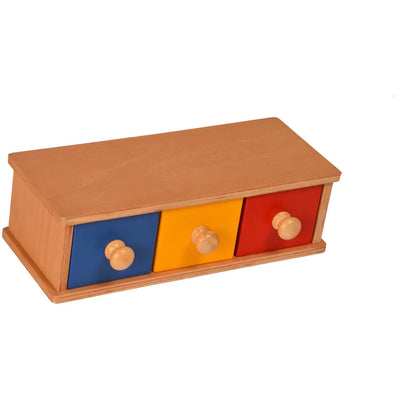
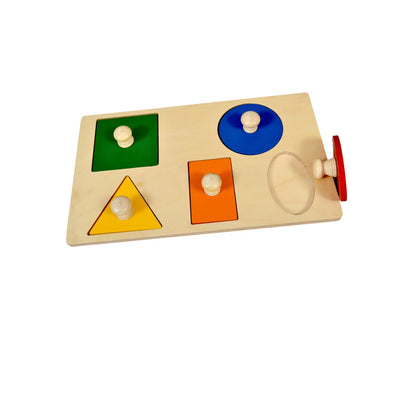
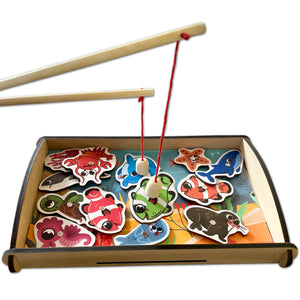
Montessori educational materials are inherently designed to foster problem-solving, concentration, and independence, which are indirect yet powerful contributors to emotional intelligence. Open-ended play, facilitated by simple, beautiful toys, allows children to act out social scenarios, practice empathy, and navigate conflict safely. Imagine a child using wooden figures to role-play a family argument, then finding a "solution" within their play. This is where real emotional learning happens. Explore our Montessori collection for materials that naturally encourage this kind of imaginative and emotionally rich play.
The Intergenerational Advantage: Grandparents' Role in Emotional Growth
The joint family system, prevalent in many Indian households, offers a unique advantage for parenting for emotional intelligence. Grandparents, with their wealth of life experience and often boundless patience, are natural emotional educators. Their stories, often laden with moral lessons and emotional narratives, help children understand complex feelings and consequences. The non-judgmental love from a *dadi* or *nana* provides a crucial sense of security and belonging, fostering confidence and emotional resilience that modern 'Emotions Labs' strive to replicate. Encourage these bonds; they are invaluable.
Practical Steps for Bengaluru Parents: Start Today
Cultivating an emotional growth ecosystem is an ongoing journey, not a destination. Begin by committing to daily "emotion check-ins" with your child, perhaps during dinner or bedtime. Ask them about one happy moment and one challenging moment from their day. Actively listen without judgment. Secondly, integrate purposeful play that allows for emotional expression; simple dramatic play or even drawing feelings can be incredibly insightful. Remember, your home is your child's first, most impactful 'Emotions Lab,' a place where feelings are understood, validated, and gently guided towards growth.
By thoughtfully designing this environment, you empower your child with the emotional tools they need to thrive, not just in competitive India, but throughout their lives.