Best Toys for Autistic Children: A Montessori Guide for India
For parents in India seeking meaningful ways to support their child's growth, identifying the best toys for autistic children is a foundational step. Research shows that carefully selected, purposeful play materials can significantly enhance developmental outcomes for children on the autism spectrum. Montessori toys, in particular, offer structured, self-correcting, and multi-sensory experiences that are highly beneficial for fostering focus, fine motor skills, and independence in autistic children across various age groups.
The recent surge of interest in therapeutic play, highlighted by pieces like Healthline's 'The 19 Best Toys for Autistic Kids', underscores the global recognition of play's power. For Indian families navigating the unique journey of raising a child with autism, this guide translates those insights through the proven lens of Montessori principles, offering actionable choices tailored for our homes and children.
What is Autism Spectrum Disorder?
Autism Spectrum Disorder (ASD) is a neurodevelopmental condition presenting with unique social communication, repetitive behaviors, and distinct sensory processing. This understanding is vital for providing targeted support. Indian parents can empower their children by selecting toys that respect these individual learning styles.
Why Montessori Toys Are Ideal for Autistic Children in India
Maria Montessori's philosophy, built on observation and respect for the child, naturally aligns with the needs of children on the autism spectrum. These materials are not just toys; they are tools designed for specific developmental purposes, encouraging deep concentration and skill acquisition. In Indian homes, where often space is shared and multiple generations interact, these focused activities can provide a crucial anchor for a child.
Nurturing Sensory Integration with Purposeful Play
Many children with ASD experience the world with heightened or diminished sensory input. Montessori materials are inherently multi-sensory, but in a controlled, purposeful way. Unlike many complex sensory toys, Montessori tools often isolate one sensory quality at a time, allowing a child to deeply explore and integrate that specific input without being overwhelmed. This approach helps build a robust internal framework for processing the world, moving beyond just calming sensory input to genuinely fostering integration.
Fostering Communication and Social Connection
While social interaction can be challenging, Montessori provides tools that subtly encourage communication. Picture cards, language objects, and sequence puzzles offer concrete prompts for conversation. In a joint family setting, a grandparent guiding a child through a naming game with Montessori materials can create valuable moments of connection and language development in a natural, unpressured way.
Building Independence and Practical Life Skills
A cornerstone of Montessori is fostering independence. This is incredibly empowering for autistic children. Activities like pouring water, buttoning frames, or sorting objects not only refine fine motor skills but also build confidence and self-efficacy. For a child in India preparing for school, these practical life skills are foundational for navigating daily routines and managing expectations, reducing potential anxieties associated with new environments.
Curating the Best Montessori Toys for Autistic Children
Child development experts agree that the right educational toys can significantly impact a child's learning journey. Here, we highlight specific types of Montessori materials that align perfectly with the developmental needs of autistic children, making them excellent autism spectrum disorder toys.
Engaging Fine Motor Skills and Focus
Many autistic children benefit immensely from activities that require precision and concentration. Fine motor tasks help develop hand-eye coordination, strengthen small muscles in the hands, and can be incredibly regulating. Materials like Knobbed Cylinders, Bead Stringing, or Lacing Boards are excellent. They offer a clear task, immediate feedback, and the satisfaction of completion. Parents can explore a wide range of Montessori fine motor skills toys that encourage sustained attention.
For instance, a three-year-old Aarya in Bengaluru, who often struggles with transitions, finds solace and focus in meticulously placing each knobbed cylinder back into its slot. This repetitive action is not just play; it's a structured pathway to developing control and concentration.
Supporting Sensory Exploration and Regulation
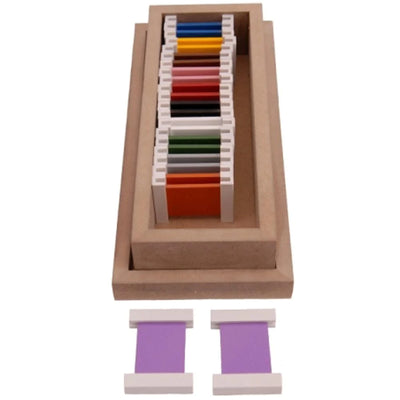
Effective inclusive toys for autistic children in India often provide structured sensory experiences. Materials like the Touch Tablets (matching textures), Sound Cylinders (discriminating sounds), or even pouring activities with various grains or water, engage specific senses without overwhelming. These help children to process sensory input, fostering calm and focus.
The satisfying weight of a wooden block, the smooth coolness of a metal inlay puzzle, or the distinct sound of different filling bottles offer controlled sensory feedback. Studies indicate that predictable sensory engagement can significantly reduce anxiety and repetitive behaviors, allowing for greater learning.
Encouraging Language and Cognitive Development
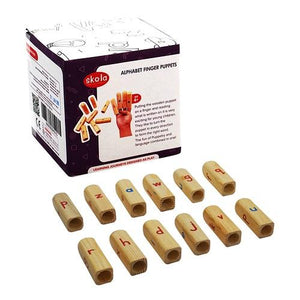
Montessori language materials are visual and tactile, making them highly effective educational toys for autism. Sandpaper Letters, Language Objects, and Matching Cards provide concrete representations of abstract concepts. These tools support vocabulary expansion, phonetic awareness, and early literacy skills in a structured, multi-sensory manner. Parents can introduce these alongside traditional Indian language learning, making them bilingual developmental aids.
A five-year-old Rohan, whose family speaks both Tamil and English at home, thrives with sandpaper letters, associating the tactile 'A' shape with both the English 'A' sound and the initial sound of 'Amma' (mother) in Tamil. This bridges different learning pathways effectively.
Promoting Problem-Solving and Sequencing
Materials that involve ordering, sorting, and sequencing are invaluable developmental toys for autistic kids. The Pink Tower, Broad Stair, or various puzzles challenge a child to understand relationships, patterns, and logical progression. Their self-correcting nature means a child can discover errors and correct them independently, building self-reliance without constant adult intervention.
These activities are excellent for developing cognitive flexibility and critical thinking. For a child learning to understand daily routines, the ability to sequence steps in a puzzle can translate into understanding the sequence of getting ready for school or participating in a festival celebration.
Beyond the Toy: Creating an Enabling Montessori Environment at Home
The Montessori approach extends beyond just the materials; it's about the 'prepared environment'. In an Indian home, this means creating a dedicated, clutter-free space where your child's toys are accessible, organised, and inviting. Even in a joint family, carving out a small 'work corner' for your child provides a sense of predictability and security.
Observation is key. Watch your child's engagement, their challenges, and their joys. This allows you to introduce materials at the right time and adapt the environment to their evolving needs. The Indian Academy of Pediatrics emphasizes the importance of early intervention and creating a supportive ecosystem around the child, a philosophy deeply embedded in Montessori.
Choosing the right toys is an act of love and informed support for your autistic child. Montessori materials offer a profound way to connect with your child's unique developmental path, fostering independence, joy, and a lifelong love for learning. We encourage you to explore the diverse range of Montessori method learning materials and witness the transformative power of purposeful play in your own home.