Toys for 4 Year Old Boys: Nurturing Emotional Intelligence
Finding the right toys for 4 year old boys can feel overwhelming for Indian parents navigating a competitive world. Yet, purposeful play is the most powerful tool for their emotional growth, helping them develop the resilience and empathy essential for navigating friendships and future challenges. This approach directly addresses high-impression search queries for age-appropriate play, highlighting how SkilloToys' Montessori offerings specifically nurture emotional intelligence.
What is Emotional Intelligence in Children?
Emotional intelligence is the capacity to understand, use, and manage one's own emotions, and to recognize and influence the emotions of others. This matters because it underpins social success, academic readiness, and mental well-being. Indian parents can foster this by creating environments that encourage emotional expression and problem-solving through play.
Why Nurturing Emotional Intelligence Matters for 4-Year-Old Boys
In homes across Bengaluru, from bustling apartments to quiet joint families, parents often grapple with how their child expresses big feelings like frustration or joy. News headlines like "'Mumma Is Feeling Tired Today': This Mom of 5-YO Explains Why She Never Hides Her Feelings From Her Daughter" (The Better India) highlight a growing awareness of emotional honesty.
Developing emotional intelligence at age four equips boys not just for school, but for life. Child development experts, including those cited by The Times of India, agree that understanding and managing emotions are critical skills. It helps them communicate effectively with grandparents, share toys with cousins during festivals, and navigate the pressures of early schooling without resorting to meltdowns.
The Montessori Way: Building Foundations of Emotional Resilience
Maria Montessori's philosophy, rooted in observing children's natural tendencies, offers a powerful framework. Her materials are designed to be self-correcting, allowing a child to discover their own mistakes and fix them without adult intervention. This "control of error" principle is a profound lesson in resilience.
Imagine a 4-year-old boy in a Delhi flat, meticulously trying to fit a cylinder into its corresponding hole. When it doesn't fit, he doesn't need an adult to point out the error; the material itself guides him. This repeated process of trying, failing, and succeeding builds an internal locus of control and the emotional fortitude to face challenges later in life, a trait increasingly valued in a fast-paced India.
Essential Montessori Toys for 4 Year Old Boys: Play That Teaches Empathy and Self-Regulation
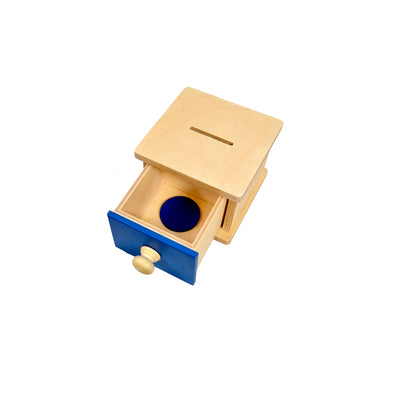
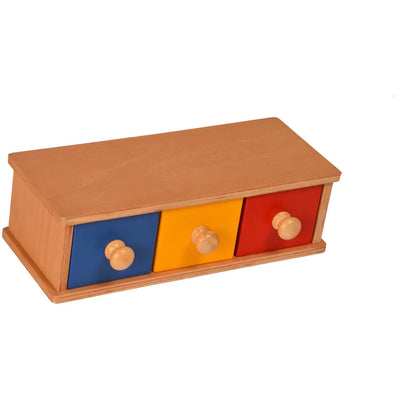
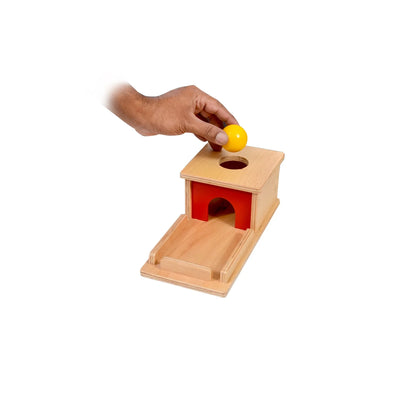
Choosing the right montessori toys for 4 year olds goes beyond mere entertainment; it's an investment in their holistic development. These educational toys for 4 year old boys specifically target the burgeoning emotional capacities of this age group, turning play into powerful learning experiences.
Practical Life Materials: Fostering Independence and Self-Confidence
Practical life activities, seemingly simple tasks like pouring water, buttoning clothes, or sorting objects, are foundational for emotional intelligence. When a child masters these tasks, they build immense self-confidence and a sense of capability. This autonomy translates into better emotional regulation, as they feel competent to handle challenges.
For a 4-year-old, the satisfying splash of water poured accurately from one pitcher to another, or the neat click of a button finding its home, provides a tangible sense of achievement. This type of engaged, purposeful activity reduces instances of frustration-driven outbursts because the child feels in control. Explore our collection of activity kits that include many such practical life materials.
Sensorial Toys: Classifying the World, Understanding Emotions
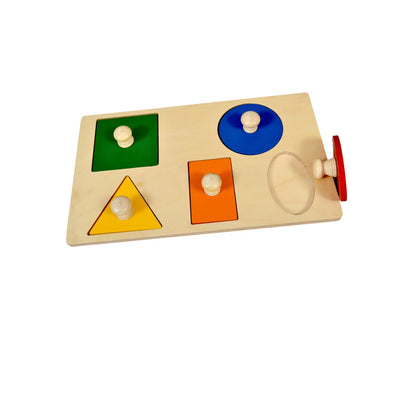
Montessori sensorial materials, such as the Knobbed Cylinders, Colour Tablets, or geometric shapes, help children refine their senses and classify impressions. This seemingly cognitive work has a direct impact on emotional development.
By categorizing and ordering the world around them, 4-year-old boys develop a clearer understanding of concepts like big/small, rough/smooth, or loud/soft. This precision in perception can extend to their emotional vocabulary. Learning to differentiate between subtle shades of colour can, over time, help them articulate nuanced feelings beyond just "happy" or "sad," contributing to their emotional intelligence toys for boys repertoire.
Constructive & Collaborative Play: Developing Social Skills and Empathy
Open-ended constructive toys, such as building blocks, pattern-making sets, or even simple puzzles, encourage collaboration and imaginative role-playing. These are vital developmental toys for 4 year olds.
When boys build a complex structure together, they learn to negotiate, share ideas, and resolve conflicts – "You hold that piece, I'll put this one here." This active negotiation of shared space and purpose cultivates empathy, as they consider another's perspective. The shared joy when their creation stands tall, or the joint frustration when it tumbles, offers real-time lessons in social emotional learning. Research consistently shows that unstructured play time is crucial for developing social-emotional competencies, impacting up to 75% of a child's school readiness. Discover a wide range of such Montessori learning materials and toys.
Integrating Emotional Intelligence Play in Indian Homes
Bringing these principles into your home environment, whether it's a bustling joint family or a nuclear setup, is key. Instead of overwhelming a child with too many options, offer a curated selection of best toys for 4 year old boys India, allowing them to engage deeply with each material.
Encourage conversations during play: "How did you feel when your tower fell?" or "What do you think the teddy bear is feeling right now?" Parents often worry about "Why Emotional Intelligence Is a Critical Skill for Children" (Mid-Day), and the answer lies in these everyday interactions. During dinner, inspired by articles like 'Mumma Is Feeling Tired Today', you might ask your 4-year-old to describe their day using two feeling words. This simple habit empowers them to articulate their inner world, transforming passive observation into active emotional literacy.