Wooden Puzzles for Kids: Building Emotional Intelligence & Resilience
Wooden puzzles for kids are far more than just playthings; they are foundational tools that significantly nurture emotional intelligence and resilience in young minds. Research shows that engaging with purposeful, hands-on materials like puzzles helps children develop crucial life skills beyond rote learning, an insight increasingly highlighted by experts, as seen in recent discussions in The Times of India about emotional intelligence in children being more vital than academic scores.
Many Indian parents, especially in bustling cities like Bengaluru, are deeply invested in their children's holistic development, looking beyond just marks. They seek avenues to prepare their little ones for life's challenges, making emotional intelligence a key focus. SkilloToys.com understands this aspiration, offering Montessori-aligned wooden puzzles designed to cater to this very need.
What is Emotional Intelligence in Children?
Emotional intelligence in children is the ability to understand and manage one's own emotions, and to recognize and influence the emotions of others. This matters immensely because it underpins social skills, academic success, and overall well-being. Indian parents can nurture this by providing opportunities for self-directed, challenging play.
Wooden Puzzles: Building Patience and Persistence
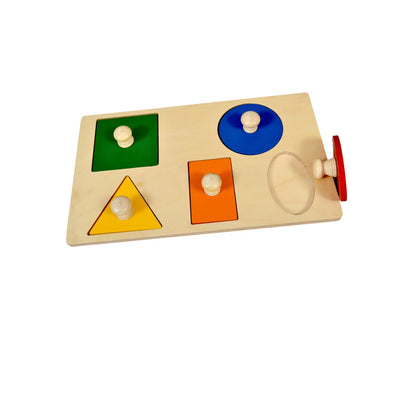
In a world of instant gratification, teaching patience is a significant challenge. However, wooden puzzles are uniquely designed to be effective patience building toys. Imagine a three-year-old, Aarya, in a Bengaluru home, carefully trying to fit a geometric shape into its corresponding slot. The piece doesn't fit the first time, nor the second. A moment of frustration might flash across her face.
But with gentle encouragement, or simply the quiet determination that Montessori principles foster, she tries again. The satisfying 'clunk' when it finally fits is not just a triumph of hand-eye coordination; it's a triumph of patience. Child development experts agree that this repeated cycle of trial, error, and eventual success is vital for cultivating persistence, a cornerstone of emotional resilience.
Montessori Puzzles for Emotional Development
Maria Montessori's philosophy deeply informs the design of many of our wooden puzzles. Montessori materials are often self-correcting, meaning the child can immediately see if they have made a mistake without an adult's intervention. This autonomy is crucial for puzzles for emotional development.
When a child works on a Montessori puzzle, they learn to trust their own senses and problem-solving abilities. This independence boosts self-confidence and teaches them to manage frustration constructively. It's a powerful lesson in self-reliance, preparing them to tackle bigger emotional hurdles in school and beyond.
Cultivating Frustration Tolerance Activities
The path to solving a puzzle is rarely smooth. There are moments of confusion, pieces that don't quite fit, and the urge to give up. These are precisely the moments when frustration tolerance activities truly shine. When a child encounters difficulty with a complex wooden jigsaw puzzle, they are practicing a critical life skill: managing discomfort.
Instead of shielding children from frustration, allowing them to experience and work through it in a safe, engaging way is incredibly beneficial. The American Academy of Pediatrics highlights that early experiences with managed frustration build neural pathways for emotional regulation. This is far more impactful than being handed a quick solution, equipping children to handle academic pressure or social conflicts later on.
Problem-Solving Toys for Kids: More Than Just Logic
Of course, wooden puzzles are excellent problem solving toys for kids, enhancing cognitive abilities and logical thinking. But the act of problem-solving itself carries a deep emotional component. The concentration required, the strategic thinking, and the ultimate joy of completion all contribute to a rich emotional landscape.
When a child, perhaps a 5-year-old working on a multi-layered animal puzzle, successfully completes it, the sense of accomplishment is profound. It's a tangible victory achieved through their own efforts, validating their intelligence and persistence. This builds positive self-esteem, a protective factor for emotional well-being, much needed in India's competitive academic environment where often only 'right' answers are celebrated.
From Bengaluru Homes to Brighter Futures
Incorporating wooden puzzles into your child's play routine is a simple yet profound step towards nurturing their emotional intelligence and resilience. Whether it's a simple peg puzzle for a toddler or an intricate map puzzle for an older child, these timeless toys offer a rich environment for growth. They provide quiet, focused playtime, which is increasingly precious amidst screen time and structured classes.
Consider integrating a new activity kit that includes puzzles into your child's learning. Observe how they react to challenges, offer empathetic support, and celebrate their small victories. This deliberate approach to play ensures that your child is not just playing, but building a robust emotional foundation that will serve them well throughout their lives, mirroring the importance of emotional intelligence highlighted by publications like Mid-Day.