Why EQ Matters More Than Academics for Success in India
In competitive India, parents frequently weigh the importance of stellar academic scores against the broader concept of holistic child development. Recent discussions in national media, reflecting parental anxieties and expert insights, increasingly highlight why emotional intelligence matters more than academic scores for long-term success. Child development experts and longitudinal studies consistently show that while good grades open doors, it is emotional intelligence (EQ) that truly empowers children to thrive, adapt, and lead fulfilling lives in our dynamic society.
For Indian parents navigating intense educational pressures, understanding this shift is crucial. We've seen headlines and expert opinions, like those recently featured in The Times of India, underscoring the critical role of emotional intelligence. It's clear that the ability to understand and manage one's own emotions, and to empathize with others, is no longer a 'soft skill' but a fundamental driver of personal and professional achievement.
What is Emotional Intelligence (EQ)?
Emotional intelligence is the capacity to be aware of, control, and express one's emotions, and to handle interpersonal relationships judiciously and empathetically. This matters because it enables resilience, effective communication, and problem-solving, skills far more valuable than rote memorization for navigating life's complexities. Indian parents can actively foster EQ by creating environments that encourage emotional expression and self-awareness from an early age.
Emotional Intelligence vs Academic Scores: The Indian Dilemma
In a country where competitive exams define career trajectories and societal respect, the focus on academic excellence often overshadows emotional growth. Children face immense pressure to score well, attend endless tuition classes, and secure admissions to top institutions. However, this relentless pursuit of marks can inadvertently neglect the very skills needed to manage the stress of exams, handle failure, or even succeed in a collaborative workplace.
Consider the typical Indian household: a child scoring 95% is lauded, while one who might be a brilliant problem-solver or a deeply empathetic friend but scores 70% is often seen as lagging. This mindset, while rooted in genuine parental aspiration, can limit a child's potential. Research shows that while high IQ correlates with academic performance, high EQ is a stronger predictor of career success, leadership abilities, and overall life satisfaction, particularly in roles requiring teamwork and adaptability.
Cultivating EQ Over IQ in Competitive India
The modern professional landscape, even within India, values innovation, collaboration, and emotional resilience more than ever. Companies seek employees who can manage stress, lead teams, resolve conflicts, and adapt to constant change. These are not skills taught in a textbook or measured by an exam. They are cultivated through experiences that challenge a child's emotional boundaries and teach them self-regulation and social competence.
A child who learns to manage the frustration of building a complex structure with blocks, or resolve a disagreement over a shared toy with a cousin during a family gathering, is building real-world EQ. This process of navigating minor setbacks and triumphs independently, as advocated by Maria Montessori, is far more impactful than passively absorbing facts for a test.
Montessori Holistic Development: Beyond Rote Learning
The Montessori approach stands as a powerful antidote to the narrow focus on academic scores. It intrinsically understands why emotional intelligence matters more than academic scores for true success. By offering a prepared environment that allows children to explore, discover, and learn at their own pace, Montessori education nurtures the whole child—cognitively, socially, and emotionally.
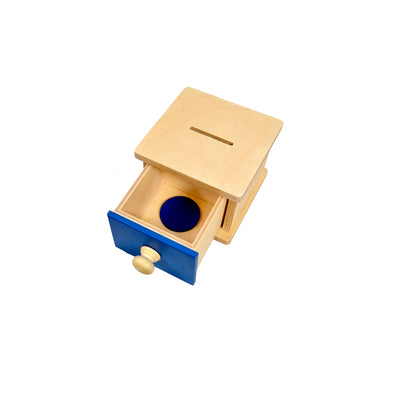
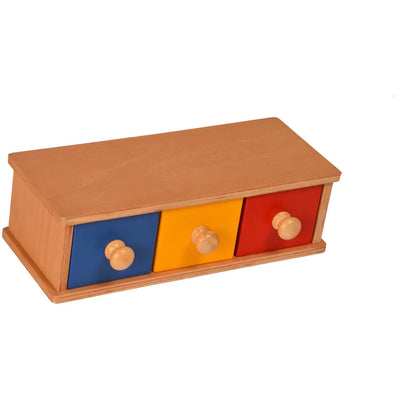
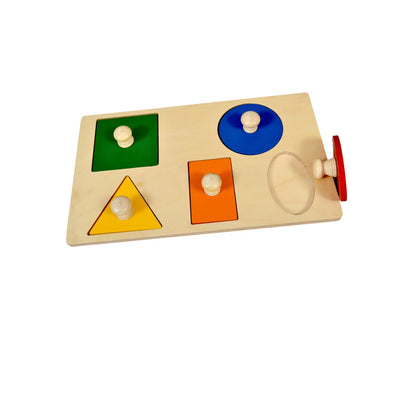
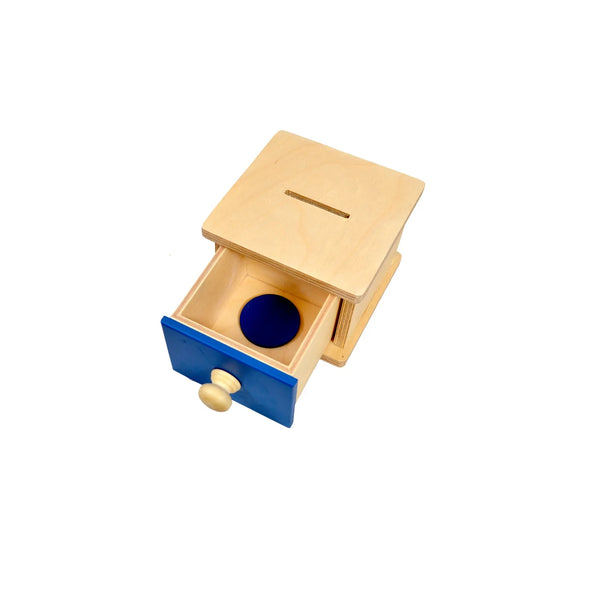
Maria Montessori believed in fostering independence and the 'control of error'—children learning from their own mistakes rather than being corrected by an adult. For a 4-year-old child like Aarya in a Bengaluru home, choosing her own activity, perhaps a practical life exercise like pouring water or buttoning a shirt, builds self-confidence and self-discipline. The gentle clunk of a wooden puzzle for kids piece falling into place, after several attempts, teaches perseverance and problem-solving. These small, daily triumphs are powerful builders of emotional resilience.
Developing Empathy and Social Skills
In a Montessori classroom, children from different age groups often work together, naturally fostering peer mentoring and empathy. An older child patiently showing a younger one how to use a material develops patience and communication skills. These interactions, far removed from competitive grading, are vital for developing social intelligence. Parents can replicate this at home by encouraging children to participate in household chores, care for plants, or help grandparents, building a sense of responsibility and connection.
Building Long-Term Success in Competitive India
The success stories emerging from various fields, from entrepreneurs to artists, often highlight a common thread: not just high IQ, but exceptional emotional intelligence. These individuals possess the grit to bounce back from failures, the creativity to innovate, and the empathy to lead diverse teams. These are the qualities that make a child truly successful in competitive India, allowing them to carve out unique paths rather than just following prescribed ones.
Choosing educational tools and experiences that prioritize holistic development is key. Montessori activity kits and other open-ended materials from SkilloToys are designed not just for academic learning but to stimulate imagination, foster independent thought, and develop crucial problem-solving abilities. When a child engages with these materials, they aren't just learning numbers or letters; they're learning how to approach challenges, manage frustration, and celebrate small victories—all fundamental aspects of emotional intelligence.
As parents, our greatest gift to our children is not just securing their admission to a top school, but equipping them with the emotional toolkit to navigate life's inevitable ups and downs with grace and resilience. By valuing emotional intelligence as highly as, if not more than, academic scores, we empower our children to build truly successful and meaningful lives, ready for whatever competitive India brings their way.