Wooden Puzzles for Kids: Building Emotional Skills Guide
In our bustling Indian homes, where the pace of life often feels like a constant race, equipping our children with emotional intelligence is becoming as vital as their academic success. News headlines from The Times of India and Mid-Day highlight the growing emphasis on emotional well-being, even with initiatives like Isha Ambani's 'Emotions Lab' reinforcing its importance. Within this crucial journey, simple yet profound wooden puzzles for kids emerge as powerful, Montessori-aligned tools actively building specific emotional skills.
Wooden puzzles are carefully designed learning materials that encourage children to develop patience, problem-solving, frustration tolerance, and self-correction. Through focused, independent engagement, these tactile toys provide a practical 'emotional gym' where children learn to navigate challenges and celebrate their own achievements.
What is Emotional Intelligence?
Emotional intelligence is the ability to understand, use, and manage one's own emotions in positive ways to relieve stress, communicate effectively, empathise with others, overcome challenges, and defuse conflict. This matters because it directly impacts a child's social relationships, academic performance, and overall well-being. Indian parents can proactively foster these skills by providing rich, engaging, and self-correcting play experiences.
The Montessori Way: Learning Resilience Through Wooden Puzzles
Maria Montessori, the pioneer of the Montessori method, observed that children thrive when given purposeful work that challenges them appropriately. She believed that materials should be self-correcting, allowing children to discover their own mistakes and learn from them independently. Wooden puzzles perfectly embody this philosophy, offering a controlled environment for developing emotional resilience.
Child development experts agree that consistent, focused engagement with hands-on materials builds critical neural pathways. When a child works diligently on a puzzle, they aren't just fitting shapes; they are constructing their emotional architecture, piece by deliberate piece. This hands-on learning empowers them to face bigger challenges, from school exams to navigating social dynamics within a joint family.
Knob Puzzles & Shape Sorters: Cultivating Patience and Focus
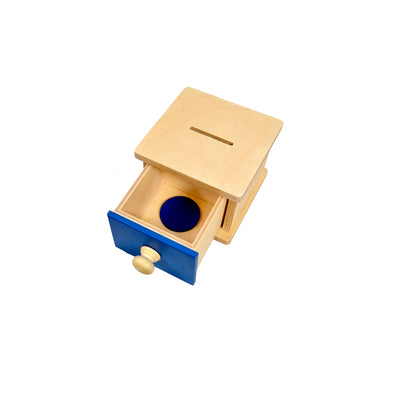
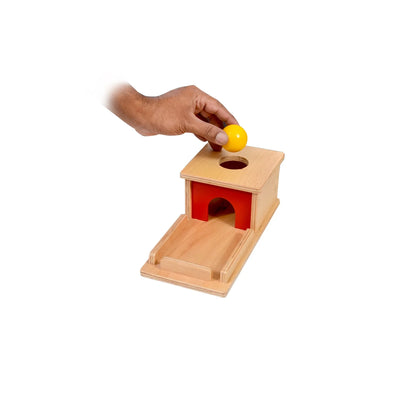
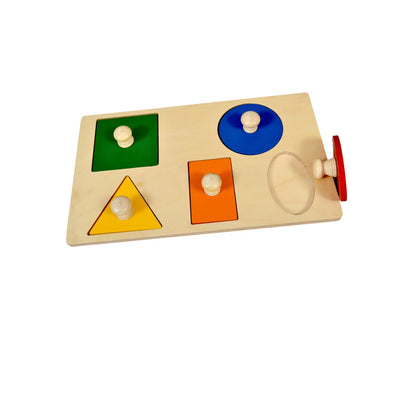
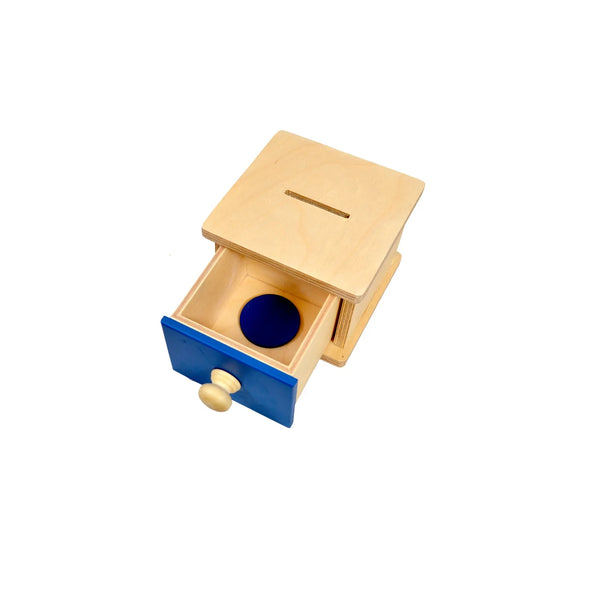
For our youngest learners, typically from 18 months to 3 years, simple knob puzzles and shape sorters are foundational for emotional growth. These Montessori wooden puzzles require children to carefully observe, grasp, and fit each piece into its specific slot.
The repetitive action and the precision needed cultivate patience activities for kids. Think of a toddler, Aanya, in her Bengaluru home, carefully trying to fit a round knob into its circle. Her brow might furrow, but the satisfying 'plunk' when it fits is a huge reward. Research shows that sustained attention during such tasks strengthens a child's ability to focus, a precursor to managing impulses and emotions.
This deliberate pace teaches them that effort yields results, building a quiet confidence. These simple activities lay the groundwork for managing delayed gratification – a skill invaluable in a world of instant fixes, preparing them for the academic pressures of school.
Jigsaw Puzzles: Mastering Frustration Tolerance and Problem-Solving
As children grow, typically from 3 years onwards, wooden jigsaw puzzles become powerful teachers of problem-solving skills for children and frustration tolerance activities. Unlike simple shape sorters, jigsaws often present a more complex challenge, requiring spatial reasoning and sequential thinking.
Consider little Rohan, piecing together a five-piece farm animal puzzle. He might try to force a cow where the horse belongs, experience a momentary frustration, but then pulls it out, rotates it, or looks for another piece. This cycle of trying, failing, and trying again is where real emotional growth happens. The wooden jigsaw puzzles benefits extend beyond just spatial awareness; they teach persistence.
The Harvard Center on the Developing Child highlights the importance of 'serve and return' interactions, and puzzle play provides a self-initiated version of this. The puzzle 'serves' a challenge, and the child 'returns' with a solution, building their sense of efficacy and reducing the likelihood of emotional outbursts when faced with difficulties.
The SkilloToys Approach: Guiding with Empathy, Not Intervention
As parents, our role in facilitating this emotional development through activity kits and puzzles is crucial, but often misunderstood. Here's how to apply Montessori-aligned strategies:
-
Observe, Don't Immediately Intervene: When your child is struggling, resist the urge to immediately 'fix' it. Observe their process. Are they trying different angles? Are they taking a breath? The moment of struggle is where learning truly happens. Only offer minimal guidance if they are genuinely about to give up.
-
Prepare the Environment: Present one puzzle at a time in a quiet, dedicated space. This reduces overstimulation and allows for deep concentration, crucial for emotional regulation. Ensure the puzzle is age-appropriate to provide just the right amount of challenge without overwhelming them.
-
Focus on Effort, Not Just Outcome: Instead of saying, "Good job, you finished!" try, "I saw how hard you worked to find the right piece," or "You kept trying even when it was tricky." This language validates their process and builds a growth mindset, teaching them the value of perseverance.
-
Respect the Child's Pace: Some children will breeze through puzzles, while others will take longer. There is no right or wrong pace. Celebrate their individual progress and allow them the time and space to develop their skills without pressure, a valuable lesson in self-acceptance.
The quiet concentration involved in puzzle-solving also offers a welcome contrast to the often noisy and overstimulating world of competitive schools and packed family schedules. It's a space where a child can simply be, focus, and build their internal strength.
By consciously choosing the right wooden puzzles for kids and adopting a supportive, Montessori-inspired approach, Indian parents can empower their children with the emotional agility needed to thrive. These aren't just toys; they are silent mentors, teaching our children the profound lessons of patience, resilience, and the joy of solving life's puzzles, one piece at a time.