Homeschooling Curriculum India: Montessori for Special Needs
For Indian parents navigating the unique path of homeschooling a child with special needs, crafting an effective homeschooling curriculum India can feel like a significant challenge. However, integrating Montessori principles offers a profound, child-centred approach that respects individual learning styles and developmental paces. This method creates a supportive and stimulating environment right within your home, empowering your child to flourish.
Montessori homeschooling for special needs children is a holistic approach focused on fostering independence, concentration, and a love for learning through hands-on experiences. It's about meeting your child where they are, understanding their unique needs, and providing the tools for them to explore and master skills at their own rhythm.
What is Montessori Homeschooling for Special Needs?
Montessori homeschooling for special needs is an educational philosophy adapted for the home, designed to meet the specific developmental needs of children requiring extra support. It centers on a 'prepared environment' where purposeful materials aid self-directed learning and skill acquisition. This matters because it offers a flexible, individualized alternative to traditional schooling, often reducing anxiety and fostering deep engagement. Indian parents can tailor this approach to their child's unique pace, leveraging family support and cultural context.
Establishing a 'Prepared Environment' at Home for Inclusive Homeschooling India
Creating a 'prepared environment' is the cornerstone of Montessori homeschooling India. This doesn't require a large dedicated room; even a corner in a living room or a designated shelf in a small urban flat can become a vibrant learning space. The key is order, accessibility, and purposeful design.
Ensure materials are organized, inviting, and easily reachable by your child. Use low shelves, small trays, and child-sized furniture to promote independence. For instance, a mat on the floor can define a workspace, teaching your child to respect boundaries and focus on one activity at a time. Research from the American Academy of Pediatrics consistently highlights the importance of an organized, stimulating environment for optimal child development.
Integrating Practical Life Activities: Foundation for Special Needs Homeschooling Curriculum
Practical life activities are the heart of early Montessori education and are particularly beneficial for a special needs homeschooling curriculum. These activities mimic everyday tasks and help children develop concentration, coordination, independence, and a sense of order. Think about simple chores like pouring water, sweeping, buttoning clothes, or polishing shoes.
In an Indian home, these activities can be beautifully woven into daily life. A child can help prepare rotis, sort lentils with a grandparent, or water plants in the balcony. This not only builds essential life skills but also strengthens family bonds, embodying the spirit of collaborative living common in joint families. The Times of India recently noted how children who engage in imaginative play, even naming objects, show enhanced cognitive and emotional development, which practical life activities can subtly encourage.
Sensory Exploration and Academic Foundations with Montessori Curriculum for Special Needs
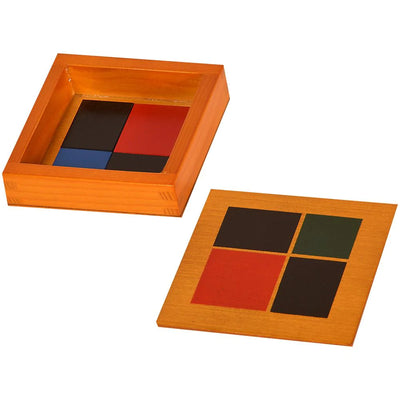
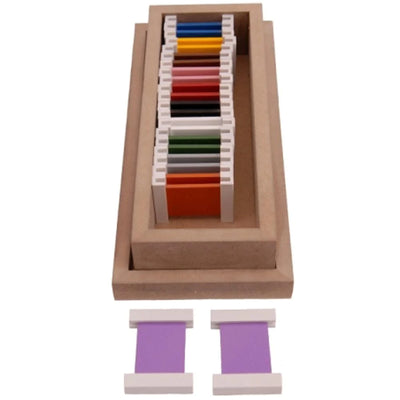
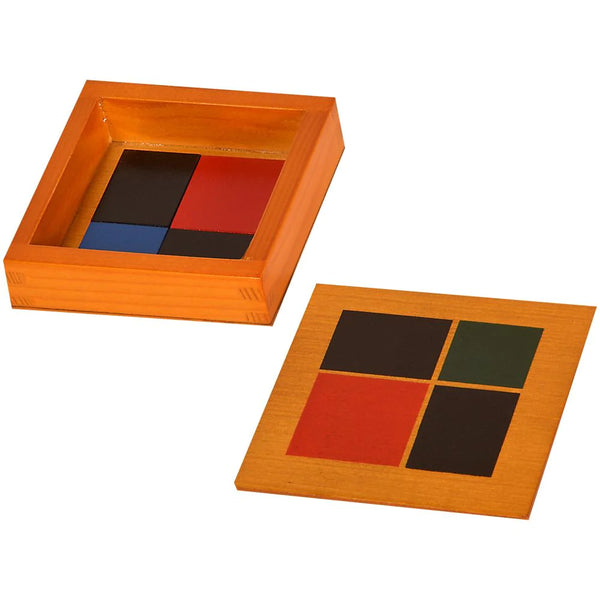
Montessori materials are designed to engage multiple senses, which is crucial for children with special needs who often learn best through concrete, tactile experiences. Sensory materials like the Pink Tower, Brown Stair, or Sandpaper Letters help refine discrimination skills for size, shape, and texture, forming a strong foundation for abstract concepts.
For children working on language development, Sandpaper Letters offer a multi-sensory way to learn letter shapes and sounds. For mathematical concepts, beads and number rods provide tangible representations of quantity. These self-correcting materials allow children to identify and correct their own mistakes, fostering self-reliance and boosting confidence.
Choosing Educational Toys for Homeschooling Special Needs
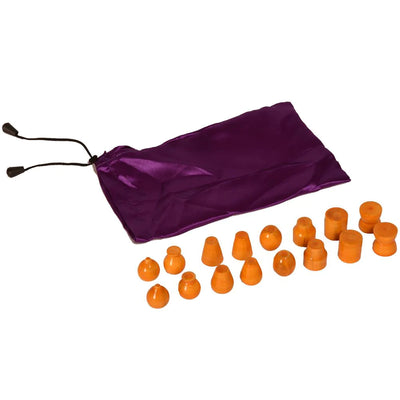
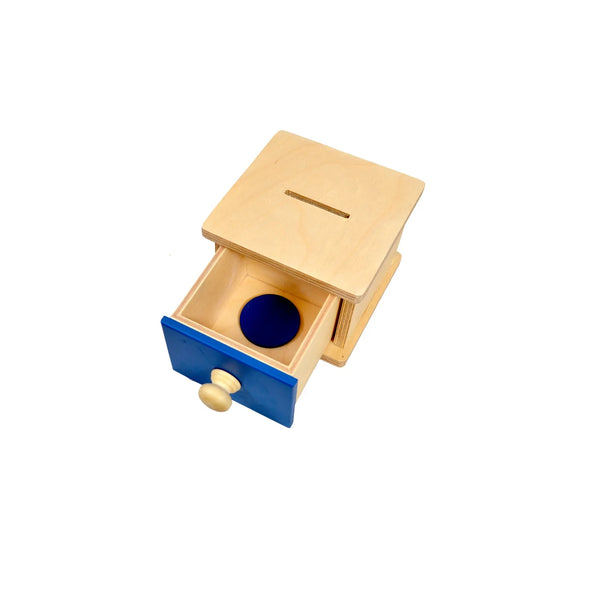
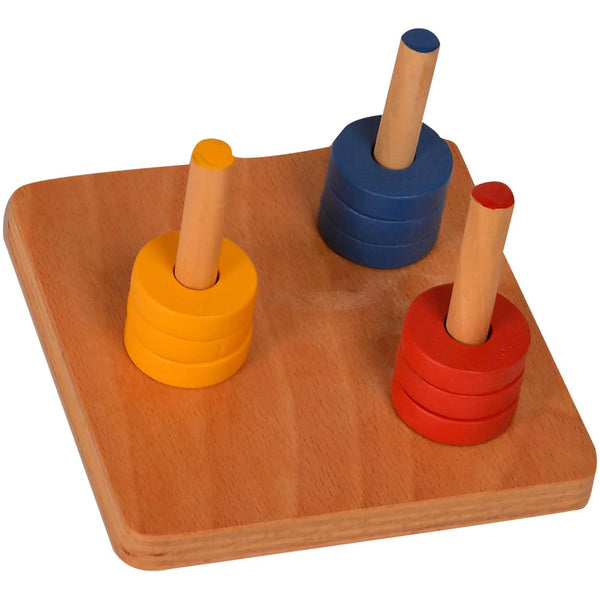
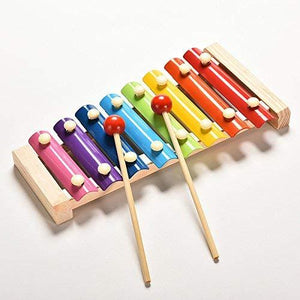
When selecting educational toys for homeschooling special needs, focus on purposeful materials that support specific developmental goals. Wooden puzzles, stacking blocks, and bead stringing activities are excellent for developing fine motor skills and hand-eye coordination. For children with sensory sensitivities, materials offering varied textures and weights can be highly beneficial.
SkilloToys.com offers a wide range of authentic Montessori learning materials and toys designed to engage and challenge. The Livemint recently highlighted how toys for autistic children, when chosen thoughtfully, can foster inclusivity by providing structured engagement and aiding social interaction. Our collection is curated to support children across various developmental stages and needs.
Observation and Adaptation: The Key to a Flexible Homeschooling Curriculum India
Maria Montessori's philosophy stresses the importance of observation – truly seeing your child. For a special needs homeschooling curriculum, this means continuously observing your child's interests, challenges, and moments of deep concentration. Is your child drawn to water play? Are they struggling with a particular concept? These observations guide your adaptations.
The beauty of homeschooling is its flexibility. If your child is engrossed in building a tower, allow them to explore that interest fully. If they are frustrated, step in to provide just enough support without doing the work for them. This responsive approach is far more effective than a rigid timetable, allowing your child to lead their learning journey.
Leveraging Community and Support in Indian Homeschooling
While homeschooling happens at home, it doesn't mean isolation. Indian parents can connect with local homeschooling groups, online forums, and therapists in Bengaluru and beyond. Sharing experiences and resources can provide invaluable support and fresh perspectives. Collaborating with other families for outings or specialized activities can also enrich your child's social experiences.
India's educational toys sector is growing, offering more resources than ever for homeschooling families, as reported by The Week. This expanding landscape means greater access to quality materials and support networks. Remember, you are not alone on this journey; a supportive community can make all the difference.
Crafting a homeschooling curriculum India for special needs children with Montessori principles is a journey of patience, observation, and immense reward. By creating a prepared environment, integrating practical life skills, choosing purposeful materials, and remaining flexible, you empower your child to unlock their full potential and build a lifelong love for learning.