Board Games for Kids: Montessori Learning & Family Fun
In India, where multi-generational households thrive and family time is paramount, selecting enriching activities for children is a priority. Board games for kids are definitively excellent tools for fostering cognitive, social, and emotional development, offering hands-on learning that aligns seamlessly with Montessori principles and promotes invaluable family fun. This makes them a cornerstone for holistic growth in any Indian home.
This insight is particularly relevant as parents globally, and certainly in India, increasingly prioritize foundational development and meaningful engagement over passive consumption. As discussions around traditional parenting practices, like sleeping beside kids, and shifts in nutrition focus towards holistic growth gain traction, the value of interactive, educational play through board games becomes clear.
A Montessori board game is an educational play activity designed to foster self-directed learning, practical life skills, and sensory exploration in children through engaging, hands-on interaction. This matters because it provides a prepared environment where children can learn through discovery and repetition. Indian parents can leverage these games to cultivate independence, concentration, and problem-solving abilities in their children, reflecting traditional values of experiential learning.
The Montessori Philosophy Behind Educational Board Games in India
The Montessori method, championed by Dr. Maria Montessori, emphasizes purposeful activity within a prepared environment. Educational board games, when chosen thoughtfully, embody this philosophy by offering structured play that encourages independent discovery and self-correction. They provide children with the opportunity to engage with materials, identify patterns, and solve problems at their own pace, mirroring the individualized learning journey central to Montessori education.
In the context of Indian families, where learning from elders and communal activities are deeply valued, board games serve as a natural bridge. Grandparents, parents, and children can gather around a game, fostering intergenerational bonds while subtly imparting valuable lessons. This collaborative spirit, combined with the intrinsic motivation for learning, creates a rich developmental landscape that goes beyond mere entertainment.
For instance, just as a child manipulates a Pink Tower or uses Sandpaper Letters in a Montessori classroom, they manipulate game pieces, follow sequences, and strategize in a board game. These actions develop fine motor skills, logical thinking, and concentration. The immediate feedback from the game itself acts as a form of self-correction, a core Montessori principle, allowing the child to learn from mistakes and refine their approach independently.
Key Benefits of Board Games for Children's Development
Research consistently shows that engaging with board games significantly boosts a child's cognitive development. Children who regularly play strategic board games often exhibit stronger critical thinking, problem-solving abilities, and improved memory retention. These games challenge young minds to anticipate outcomes, plan moves, and adapt to changing circumstances, fostering mental agility essential for academic and life success.
Beyond academics, child development experts agree that board games are invaluable for social-emotional growth. They provide a safe space to practice essential social skills such as turn-taking, patience, and gracious sportsmanship – learning to win humbly and lose with resilience. A 2017 study published in the journal 'Developmental Science' indicated that board games can enhance children's number sense and spatial reasoning, skills critical for early mathematical understanding.
Moreover, playing board games within an Indian family setting helps children navigate complex social dynamics. They learn to communicate their strategies, negotiate outcomes, and understand different perspectives, skills that are highly transferable to school and future social interactions. The shared laughter and friendly competition strengthen family bonds, creating cherished memories that extend far beyond the game itself.
Choosing the Right Educational Board Games for Indian Families
Selecting the ideal educational board games for kids involves considering age-appropriateness, developmental goals, and cultural relevance. For younger children (2-5 years), simple matching games, cooperative play sets, or puzzles that focus on colors, shapes, and basic counting are excellent starting points. These lay the foundation for future learning and engagement.
As children grow (6-10 years), introduce games that involve more complex rules, strategic thinking, and language development. Look for options that encourage storytelling, mathematical reasoning, or general knowledge. SkilloToys offers a wide range of educational toys, including games that are specifically designed to stimulate these higher-order thinking skills, perfect for growing minds.
For older children and family play, consider games that incorporate Indian themes, mythology, or historical elements, making learning both relevant and engaging. Durable wooden toys and games are also an excellent choice, offering a tactile experience that enhances sensory learning and ensures longevity. These choices not only entertain but also subtly impart cultural knowledge, fostering a deeper connection to their heritage.
Integrating Board Games into Daily Indian Life
Incorporating board games into the daily rhythm of an Indian household can be a delightful and enriching experience. Consider designating a 'game time' after dinner, especially on weekends, where the entire family can gather. This ritual provides a consistent alternative to screen time, fostering face-to-face interaction and strengthening family connections, aligning with traditional values of communal engagement.
During festivals like Diwali or Holi, or during summer vacations when children visit grandparents, board games can become a central activity. They provide opportunities for cross-generational bonding, allowing children to learn from elders' experiences and stories while playing. This shared activity cultivates patience, communication, and mutual respect, reflecting the essence of Indian joint family life.
By prioritizing engaging, hands-on play over constant digital exposure, parents are giving their children a significant developmental advantage. The mindful selection of Montessori method learning materials and board games creates a prepared environment where learning is joyful, natural, and deeply impactful for a child's overall growth and well-being.
- Board games for kids are highly beneficial for holistic child development, encompassing cognitive, social, and emotional skills.
- Montessori principles, such as self-directed learning and practical life skills, are effectively nurtured through well-chosen educational board games.
- Research indicates that regular board game play significantly improves critical thinking, problem-solving, and social interaction skills in children.
- Selecting age-appropriate and culturally relevant educational board games enhances engagement and learning outcomes for Indian children.
- Integrating board games into daily family routines fosters stronger intergenerational bonds and provides a valuable alternative to screen time.
- Studies show that board games can enhance a child's number sense and spatial reasoning, providing a strong foundation for mathematical understanding.
Ultimately, board games offer a powerful blend of education and entertainment, perfectly suited for the dynamic environment of Indian homes. They are not merely pastimes but vital tools for nurturing well-rounded individuals who are both academically capable and socially adept. By choosing thoughtfully, parents can provide their children with experiences that build essential skills, create lasting memories, and reinforce the cherished bonds of family.
Explore the diverse collection of toys and games at SkilloToys.com to find the perfect educational board games that will inspire learning and bring joy to your family for years to come.
What age is appropriate for board games?
Board games can be introduced to children as young as 18-24 months with simple matching or sorting activities. Complex strategy games are typically suitable for children aged 6 years and above, offering challenges that grow with their cognitive abilities.
How do board games help with social skills?
Board games inherently teach vital social skills such as turn-taking, sharing, patience, and following rules. They also provide a safe environment for children to learn about winning gracefully and losing with resilience, crucial for social interaction.
Are digital board games as effective as physical ones?
While digital board games offer some cognitive benefits, physical board games provide superior sensory engagement and promote direct human interaction. The tactile experience and face-to-face communication foster deeper social-emotional learning that digital versions often lack.
What are some good Montessori-aligned board games for toddlers?
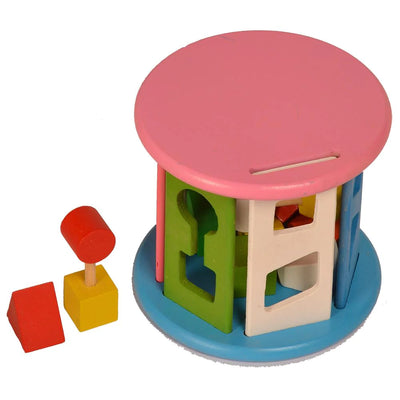
For toddlers, Montessori-aligned board games focus on practical life skills, sensory exploration, and basic concepts. Look for games involving color matching, shape sorting, simple memory tasks, or cooperative play that encourage hands-on manipulation and self-correction.
How can I encourage my child to play board games instead of screens?
Encourage board game play by making it a consistent family ritual, like a 'game night' once a week. Offer choices of engaging games and model enthusiasm, showing that traditional play can be more rewarding and connecting than screen time.