Telugu Letters with Pictures: A Montessori Guide for Kids
For many Indian parents, the desire to connect their children to their cultural roots through language is strong. Teaching telugu letters with pictures using a Montessori approach offers a gentle, effective pathway for young Indian learners to embrace their mother tongue. This method engages multiple senses, allowing children to naturally connect sounds, symbols, and real-world items, building a strong foundation in Telugu.
In homes across Bengaluru and beyond, the rich heritage of regional languages like Telugu often vies for attention with English. As contemporary parenting discussions, like Schweta Merchant Gandhi's 'Connection Before Correction', highlight the importance of nurturing relationships over strict enforcement, a Montessori approach to language learning aligns perfectly, focusing on intrinsic motivation and respectful guidance.
What is Montessori Telugu Learning?
Montessori Telugu learning is an educational approach that introduces the Telugu alphabet and vocabulary through hands-on, self-directed activities, focusing on sensory exploration and a prepared environment. This method matters because it caters to a child's natural curiosity and sensitive periods for language, fostering independent learning. Indian parents can integrate this by providing specific materials and fostering a love for their linguistic heritage.
Why Montessori for Telugu Alphabet for Kids?
The Montessori philosophy, pioneered by Dr. Maria Montessori, is founded on observing a child's natural developmental stages. For language acquisition, particularly for the telugu alphabet for kids, this means leveraging a child's 'sensitive period' for language, which is most intense from birth to six years. During this time, children absorb language effortlessly from their environment.
Research consistently shows that early exposure to one's mother tongue strengthens cognitive abilities, fosters a deeper cultural identity, and even makes learning additional languages easier later on. By using Montessori materials, parents can provide a structured yet flexible environment that respects the child's innate drive to learn, making the process joyful rather than a chore.
Effective Ways to Learn Telugu for Kids with Pictures
The visual appeal of telugu letters with pictures is undeniable for young learners. Pairing each letter with a familiar object whose name starts with that letter creates a powerful associative link. For example, 'అ' (a) with 'అమ్మ' (amma - mother) or 'ఆ' (aa) with 'ఆవు' (aavu - cow) helps cement the connection.
Here are practical steps to help your child learn telugu for kids through pictures and sensory activities:
- Sandpaper Letters: Introduce Telugu letters using Montessori sandpaper letters. Children trace the letter with their fingers while you pronounce its sound. This engages tactile, visual, and auditory senses simultaneously.
- Picture Cards: Create or purchase picture cards featuring Telugu letters alongside objects or animals. Encourage matching games where your child connects the letter card to a picture card.
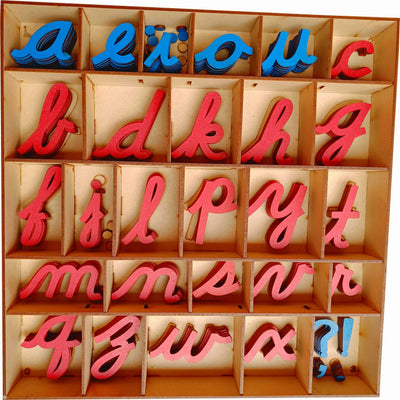
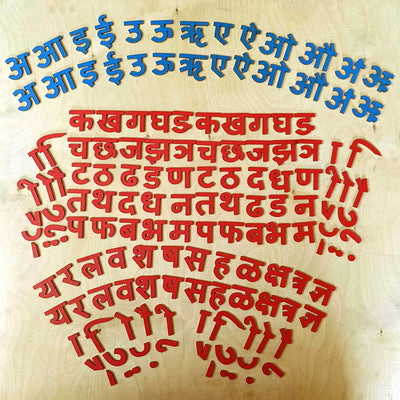
- Movable Alphabet: Once children recognize letter sounds, introduce a Telugu movable alphabet. This allows them to form simple words even before they can hold a pencil comfortably, fostering early literacy.
- Storytelling and Songs: Read Telugu storybooks with vibrant illustrations. Sing traditional Telugu rhymes and songs. These activities provide context and joy, making the language feel alive and relevant to their world, much like how a 'dadi' might share tales during family gatherings.
Essential Montessori Telugu Learning Materials
Investing in the right materials is crucial for effective montessori telugu learning. These tools are designed to isolate concepts, allowing the child to focus on one skill at a time and include a 'control of error' for self-correction.
Some essential telugu educational toys and materials include:
- Telugu Sandpaper Letters: As mentioned, these are fundamental for sensory learning.
- Telugu Alphabet Puzzles: Wooden puzzles where each letter fits into a specific slot, often with corresponding pictures, enhance fine motor skills and letter recognition. You can explore a range of wooden toys that support this type of learning.
- Tracing Boards: Boards with carved Telugu letters allow children to practice writing motions with a stylus or their finger, preparing them for penmanship.
- Language Object Boxes: Small objects corresponding to different Telugu letter sounds can be collected in boxes. Children can match objects to their initial sounds.
These materials provide tangible experiences that solidify abstract concepts, offering children the independence to learn without constant parental intervention – a critical aspect that fosters true understanding, moving beyond traditional, potentially guilt-tripping methods of teaching.
Integrating Language Learning for Indian Children at Home
Creating a 'prepared environment' at home is key for successful language learning for Indian children. This doesn't require a dedicated Montessori classroom but thoughtful additions to your living space. Designate a small, accessible shelf for Telugu books and learning materials.
Encourage conversations in Telugu, even if it's just for a few minutes each day. Label objects around the house with their Telugu names. In a joint family setting, grandparents can play an invaluable role, sharing stories and songs in Telugu, reinforcing the language naturally. This creates a rich linguistic tapestry that respects and celebrates India's linguistic diversity, ensuring children feel connected to their heritage amidst the pressures of a globalized world.
The beauty of the Montessori approach lies in its ability to foster not just academic skills, but also a child's independence, concentration, and love for learning. By introducing telugu letters with pictures through these engaging, hands-directed methods, Indian parents are not just teaching a language; they are nurturing a profound connection to culture and empowering their children with a valuable lifelong skill.