Daycare Safety India: A Parent's Guide to Child Well-being
Ensuring robust daycare safety India is paramount for every parent, especially given the rising 'childcare dilemma India' highlighted by recent NDTV reports. It involves rigorously evaluating facilities, staff, and policies to guarantee a secure, nurturing, and stimulating environment for children away from home.
Daycare safety refers to the comprehensive measures and protocols implemented by childcare facilities to protect children from harm, ensure their physical well-being, and support their emotional and cognitive development. This matters because a secure environment fosters trust and allows children to thrive. Indian parents can actively participate in monitoring and advocating for these standards.
Understanding the Childcare Dilemma India
In contemporary India, the decision to enrol a child in daycare is increasingly common for urban and semi-urban families. The 'childcare dilemma India' is a pressing concern for new-age parents balancing career aspirations with the fundamental need for their child's safety and holistic development. With traditional joint family structures evolving, parents often find themselves navigating a complex landscape of childcare options, seeking professional support that mirrors the care and values of home.
The Entrepreneur India highlights how 'new-age parents' have become a distinct consumer category, deeply invested in informed choices for their children's education and well-being. This shift underscores the critical need for reliable, comprehensive information on childcare safety, moving beyond basic supervision to encompass developmental support.
Key Factors in Choosing Daycare India
Selecting the right daycare in India requires careful consideration beyond proximity and cost. Parents must actively investigate several core areas to ensure their child's well-being and growth.
Staff-to-Child Ratios and Training: A Non-Negotiable
One of the most critical indicators of a quality and safe daycare is its staff-to-child ratio and the qualifications of its educators. Studies consistently show that lower ratios mean more individualized attention, better supervision, and reduced risk of incidents. For infants, a ratio of 1:3 or 1:4 is often recommended, while for toddlers, 1:5 or 1:6 is ideal.
Beyond numbers, inquire about staff training in early childhood education, first aid, CPR, and child protection policies. Research indicates that caregivers trained in child development and positive discipline techniques create more secure and enriching environments, preventing many potential safety concerns.
Health and Hygiene Protocols
Robust health and hygiene practices are fundamental to child safety, especially in group settings. Evaluate the daycare's cleanliness standards, including sanitization of toys, frequently touched surfaces, and food preparation areas. Clear protocols for managing sick children, administering medication, and handling emergencies are non-negotiable.
Look for facilities with separate changing areas, proper handwashing stations for both children and staff, and clear communication channels for reporting illnesses. A transparent approach to health ensures collective well-being and peace of mind for parents.
Safe and Stimulating Learning Environments (Montessori Daycare India)
A truly safe daycare environment extends beyond physical security to include intellectual and emotional stimulation. A well-prepared environment, a cornerstone of the Montessori philosophy, is inherently safer because it is designed for independent exploration and minimizes hazards. Children in a Montessori daycare India thrive in spaces that are orderly, accessible, and offer age-appropriate activities.
Observe if the learning materials, such as a Pink Tower or Sandpaper Letters, are clean, in good repair, and regularly rotated. The presence of high-quality educational toys and wooden toys, rather than just plastic novelties, indicates a commitment to developmental safety. A stimulating environment keeps children engaged and less prone to risky behaviors stemming from boredom.
Implementing Child Safety Tips India at Home and Daycare
Child safety is a continuous effort that bridges the home and daycare. Parents can empower their children with basic safety knowledge from an early age, tailored to their understanding. Teaching children about 'good touch' and 'bad touch', a topic increasingly discussed in India as highlighted by 'The Better India's' parenting coaches, is crucial.
Ensure your child knows their full name, your phone number, and whom to approach if they feel unsafe. Regularly review the daycare's safety policies and discuss any concerns proactively. Open communication between parents and daycare staff is a powerful tool in maintaining a vigilant approach to safety.
The Role of Educational Toys in Daycare Environments
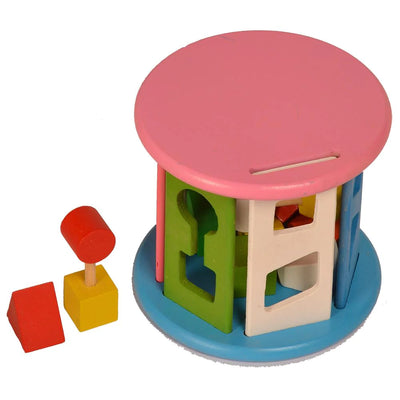
The choice of toys in a daycare setting significantly impacts both safety and development. Educational toys and learning materials should be non-toxic, durable, and free from small parts that could pose choking hazards for younger children. For infants and toddlers (18-36 months), items like large stacking blocks or soft fabric books are ideal, while preschoolers benefit from problem-solving puzzles and constructive activity kits.
Maria Montessori emphasized the importance of materials that engage a child's senses and promote concentration. Daycares adopting this approach often feature carefully curated collections of wooden toys and practical life materials. These not only ensure physical safety but also contribute to cognitive growth and emotional regulation, making the environment safer by fostering focused, purposeful play.
Ensuring daycare safety in India is a multifaceted responsibility shared by parents, caregivers, and institutions. By adopting a proactive and informed approach, Indian parents can confidently navigate the childcare landscape, securing an environment where their children can not only be safe but also thrive developmentally and emotionally. Making educated choices today lays the foundation for a secure and successful tomorrow for our children.
- Rigorous evaluation of daycare facilities, staff, and policies is crucial for child safety in India.
- Low staff-to-child ratios are directly correlated with higher quality care and improved safety outcomes.
- Comprehensive health and hygiene protocols are non-negotiable for preventing illness and ensuring well-being.
- A prepared, stimulating environment, often seen in Montessori daycare India, inherently enhances safety by promoting independent, purposeful activity.
- Parents should actively communicate with daycare staff and empower children with basic safety knowledge.
- The selection of safe, durable, and developmentally appropriate educational toys is a key component of a secure daycare environment.
How can I assess a daycare's staff qualifications in India?
You should inquire about staff training in early childhood education, first aid, and child protection protocols. Research shows that qualified staff are crucial for providing high-quality care and maintaining a safe environment.
What role do Montessori principles play in daycare safety?
Montessori principles, such as a prepared environment and self-directed learning, foster independence and awareness, which inherently contribute to a child's safety. A well-organized, accessible space with appropriate Montessori method learning materials reduces risks and encourages responsible behavior.
How often should I visit my child's daycare unannounced?
Regular, unannounced visits are a vital part of ensuring ongoing daycare safety in India. Child development experts recommend visiting periodically to observe the daily routines, staff interactions, and overall environment without prior preparation.
What are red flags to look for during a daycare visit?
Red flags include poor hygiene, unsupervised children, high staff turnover, lack of clear emergency procedures, or staff who seem disengaged or impatient. Trust your parental instincts if something feels off about the facility or its practices.
Are CCTV cameras mandatory in Indian daycares for child safety?
While not universally mandatory across all states, many progressive Indian daycares have implemented CCTV cameras, often with parent access, as a key child safety measure. It's an important feature to inquire about when choosing a facility.