Educational Toys for Kids: A Montessori Guide for Indian Parents
Educational toys for kids are fundamental tools that actively support cognitive, social, emotional, and physical growth, proving indispensable for comprehensive child development in India. Research shows that engaging with purpose-driven play materials from an early age significantly enhances learning outcomes and prepares children for future academic and life challenges. This guide offers Indian parents a deep dive into choosing effective educational toys, framed through the acclaimed Montessori approach.
The journey of raising children in India often blends traditional values with modern aspirations, making the choice of enriching playtime experiences more critical than ever. This comprehensive resource helps parents understand how to foster development the Montessori way, ensuring every toy contributes meaningfully to their child's future.
What are educational toys?
Educational toys are purpose-designed play materials that stimulate learning and foster specific developmental skills across various age groups. This matters because well-chosen toys can transform playtime into impactful learning experiences, promoting critical thinking, creativity, and problem-solving abilities. Indian parents can leverage these tools to complement formal education and build a strong foundation for lifelong learning within the home.
Why Do Indian Parents Need Them?
In a competitive academic landscape, parents are increasingly seeking ways to give their children an early advantage, extending beyond textbooks. Educational toys provide a vital bridge between play and structured learning, cultivating skills that are essential for school readiness and beyond. They offer a hands-on approach that traditional rote learning often misses.
Furthermore, in joint families, educational toys can become shared learning resources, fostering interaction between siblings and even grandparents. They introduce children to concepts like sharing, collaboration, and respect for materials – values deeply embedded in Indian culture.
The Montessori Way: Nurturing Development with Purposeful Montessori Toys India
The Montessori philosophy, pioneered by Dr. Maria Montessori, emphasizes child-led learning within a carefully prepared environment. This approach is highly effective because it respects the child's natural curiosity and innate drive to learn, providing materials that are self-correcting and designed for specific developmental stages. SkilloToys.com champions this methodology, offering authentic Montessori materials tailored for Indian homes.
Studies indicate that children exposed to Montessori principles often demonstrate higher levels of independence, concentration, and self-discipline. These are crucial traits for navigating the complexities of modern Indian life, from managing school pressure to confidently expressing themselves, as highlighted in recent discussions about raising confident kids.
Fostering Cognitive Growth: Learning Through Exploration
Montessori toys are renowned for their ability to stimulate cognitive development. Materials like the Pink Tower or Number Rods introduce abstract mathematical concepts in a concrete, tangible way, allowing children to grasp foundational ideas through direct manipulation. This hands-on exploration makes learning memorable and enjoyable.
For instance, activities involving sorting, sequencing, and pattern recognition with specific learning toys for kids enhance logical thinking and problem-solving skills. Such guided exploration is critical for developing the mental agility required for future academic success.
Building Social-Emotional Skills: Beyond Just Play
Beyond academics, educational toys play a pivotal role in developing a child's social and emotional intelligence. Collaborative play with building blocks or role-playing sets encourages sharing, negotiation, and empathy. These interactions are vital for children growing up in diverse social environments, like those often found in Indian communities.
Observing a child's interaction with toys can also offer insights into their emotional state and help parents guide them through expressing feelings appropriately. This nurturing approach aligns with parenting trends focused on holistic well-being.
Enhancing Motor Skills and Practical Life
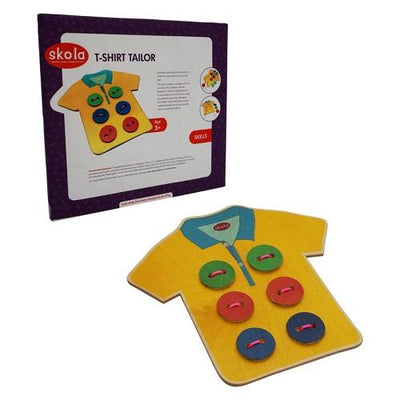
Fine and gross motor skill development is seamlessly integrated into Montessori play. Activities like bead stringing, puzzles, or using dressing frames refine hand-eye coordination and dexterity. These practical life skills are not just about physical ability but also about building concentration and a sense of accomplishment.
Such activities contribute significantly to a child's independence, enabling them to perform daily tasks with confidence. This prepares them for greater self-sufficiency, a value cherished in many Indian households.
Choosing the Best Educational Toys for Every Age
Selecting age-appropriate toys is paramount to their effectiveness. A toy that is too simple will bore a child, while one that is too complex can lead to frustration. Experts agree that toys should meet the child at their current developmental stage while offering a slight challenge to encourage growth.
This thoughtful selection ensures that the child remains engaged and extracts maximum learning from the play experience. Consider the child's interests, developmental milestones, and the specific skills you wish to nurture.
Infancy (0-12 months)
For infants, toys should focus on sensory stimulation and gross motor development. Soft rattles, unbreakable mirrors, and graspable wooden toys are ideal. These encourage reaching, grasping, and exploring textures, laying the groundwork for more complex interactions later.
Toddlerhood (1-3 years)
Toddlers benefit from toys that promote problem-solving and fine motor skills. Stacking rings, simple puzzles, shape sorters, and push-and-pull toys are excellent choices. They aid in developing coordination, logical thinking, and early language skills through interaction.
Preschool Years (3-6 years)
Preschoolers are ready for toys that encourage imaginative play, literacy, and numeracy. Art supplies, building sets, sandpaper letters, and practical life materials help them develop pre-reading and pre-math skills. Role-playing sets can also foster social skills and creativity, fitting well into after-school routines that prioritize balanced development.
The Tangible Benefits of Educational Toys for Indian Children
The impact of well-chosen educational toys extends far beyond the playroom. They are instrumental in fostering creativity, critical thinking, and a lifelong love for learning, which are increasingly vital in a rapidly evolving world. These toys offer a distinct advantage by making learning an intuitive and enjoyable process.
For Indian families, investing in quality educational toys means investing in a child's comprehensive development, preparing them not just for school examinations but for real-world challenges. This approach aligns with the desire to raise confident and well-rounded individuals ready to thrive.
Integrating Learning Toys for Kids into Daily Indian Life
Making educational toys a natural part of a child's routine doesn't require drastic changes. Parents can create a 'prepared environment' at home, much like in Montessori schools, where toys are accessible and organized. This encourages children to choose activities independently and engage in sustained play.
For instance, setting up a small corner with activity kits or science kits can transform after-school hours into engaging learning sessions. This mirrors the conscious parenting approach seen in celebrity families who prioritize structured, yet playful, learning experiences over excessive screen time.
- Educational toys are crucial for holistic child development, fostering cognitive, social, emotional, and physical skills.
- The Montessori method emphasizes child-led learning with purposeful, self-correcting materials.
- Choosing age-appropriate toys is essential for maintaining engagement and maximizing learning outcomes.
- Quality educational toys promote critical thinking, creativity, and a lifelong love for learning.
- Integrating learning toys into daily routines supports independence and prepares children for future success.
- Montessori materials like the Pink Tower and Sandpaper Letters offer concrete learning experiences for abstract concepts.