Nurturing Self-Worth in Children India: A Montessori Guide
In India's vibrant, yet often demanding, educational landscape, many parents resonate with the sentiment of 'When Every Classmate Seems Ahead,' a concern recently highlighted in 'The Better India.' This constant pressure to compare and excel can inadvertently chip away at a child's nascent self-worth. Building genuine, resilient self-worth in children India is paramount for their holistic development, empowering them beyond academic grades or social comparisons. Montessori principles offer a profoundly effective guide for parents to cultivate this inner strength, fostering a child's intrinsic motivation and self-belief from a young age.
Self-worth is a child's internal belief in their own value, regardless of external achievements or comparisons. This matters because it forms the bedrock of resilience, emotional health, and lifelong learning. Indian parents can cultivate this by shifting focus from external validation to celebrating a child's unique journey and efforts.
The Indian Parent's Challenge: Competitive Parenting India
From the moment a child starts school, Indian homes often become hubs of comparison. Whether it's the neighbour's child's perfect scores, a cousin's prodigious talent, or the family's gentle (but persistent) inquiries about academic progress during festivals, the pressure is palpable. This cultural tendency, often driven by well-meaning intentions, can inadvertently lead to significant child comparison anxiety.
Research consistently shows that constant comparison diminishes a child's sense of self-worth. Instead of feeling capable, children might internalize feelings of inadequacy if they perceive themselves as not meeting external benchmarks. This is particularly true for parents navigating urban life in Bengaluru, where academic success is often seen as the primary pathway to a secure future.
Montessori's Core: Fostering Intrinsic Motivation
At its heart, the Montessori philosophy championed by Dr. Maria Montessori is about honouring the child's innate drive to learn and grow. It understands that true confidence stems not from external praise or rewards, but from the child's own experience of mastery and accomplishment. This approach to building intrinsic motivation montessori counters the external pressure prevalent in Indian society.
When children are allowed to choose their activities and work at their own pace, they develop a deep satisfaction that fuels further exploration. This internal validation is far more powerful and sustainable than any certificate or medal, nurturing a sense of 'I can do it' that originates from within.
Raising Confident Kids India Through Practical Life Skills
Montessori education emphasizes practical life skills as a cornerstone for building self-worth. These aren't just chores; they are purposeful activities that help children develop concentration, coordination, independence, and a sense of contribution. For a 3-year-old Aarya in a Bengaluru joint family, learning to pour water without spilling or helping her Dadi fold laundry builds genuine competence.
Providing opportunities for children to engage in real-world tasks with child-sized tools, like small brooms or scrubbing brushes, instills a sense of capability. The focus is on the process, not just the perfect outcome. Such hands-on learning with educational toys and real tools is crucial for raising confident kids India.
Creating a 'Prepared Environment' for Self-Esteem
A key Montessori concept is the 'prepared environment'—a home space that is organized, aesthetically pleasing, and designed to meet the child's developmental needs. This means making materials accessible, having designated spaces for work, and allowing freedom of movement and choice. When a child can independently select a task, work on it without interruption, and return it to its place, they build self-discipline and self-reliance.
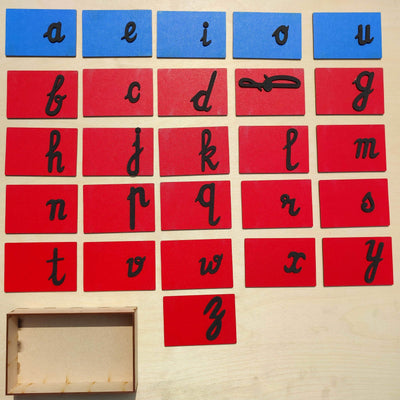
Consider simple Montessori learning materials like a Pink Tower or Sandpaper Letters. These items are designed for self-correction, meaning the child can identify their own mistakes without adult intervention. This self-discovery of errors, and the subsequent self-correction, fosters a deep sense of competence and resilience, significantly reducing child comparison anxiety. The freedom within a prepared environment isn't just about independence; it's about minimizing the need for adult intervention and correction, thereby reducing opportunities for a child to feel inadequate compared to an adult's standard or another child's progress. This self-correction builds deep internal confidence.
Beyond Comparison: Celebrating Effort, Not Just Outcomes
In a culture that often prizes visible achievement – the highest marks, the quickest recall, the fastest race – it's vital for parents to consciously shift focus. Child development experts agree that praising effort, persistence, and strategies, rather than intelligence or outcomes alone, cultivates a growth mindset. When 5-year-old Rohan in Chennai struggles with a puzzle activity but keeps trying, acknowledging his perseverance – "You're working so hard to fit those pieces!" – builds far more robust self-worth than simply saying "Good job" once he finishes.
This approach directly challenges competitive parenting India, encouraging children to embrace challenges and learn from setbacks. It teaches them that their value isn't tied to being 'the best,' but to their dedication and willingness to learn. The recent 'The Indian Express' discussion on children talking less to parents due to AI underscores the need for genuine connection and validation of effort, strengthening bonds and self-worth.
The Power of Observation and Respect
Montessori encourages parents to become keen observers of their children. What genuinely captivates them? What are their unique strengths and interests? By respecting a child's individual pace and inclinations, even if they differ from societal expectations or those of their peers, parents validate their child's unique identity. For an 18-month-old exploring wooden blocks, allowing them uninterrupted concentration builds focus and competence.
This respect for the child's inner teacher is crucial for nurturing self-worth. It tells the child, "I see you, I value you, and I trust your capabilities." It's a powerful message that stays with them, equipping them with an inner compass in a world that often demands external conformity.
Nurturing self-worth in Indian children is an ongoing journey, one that requires conscious effort from parents to step away from societal pressures and embrace a more child-centric approach. By applying Montessori principles, focusing on intrinsic motivation, creating a prepared environment, and celebrating effort, you empower your child with a strong, unwavering sense of self. Tonight, observe your child playing independently. Resist the urge to 'help' or correct, and instead, acknowledge their effort: "You're really concentrating on stacking those blocks!" This simple recognition fosters deep-rooted confidence.