Kids Learning Toys Transform Indian Weekends
Montessori kids learning toys profoundly transform 'nothing to do' weekends for Indian children by providing structured, self-directed engagement that fosters independence and critical thinking. Amidst recent debates concerning limited weekend outings in Indian cities, these educational tools offer enriching at-home alternatives, turning idle time into purposeful development for young minds.
The recent discourse, sparked by an entrepreneur's take on the lack of engaging children's activities in Indian cities, highlights a significant pain point for parents. This sentiment resonates deeply, particularly for those in bustling metros like Bengaluru, where finding suitable and safe kids weekend activities India can be a genuine challenge. Parents are increasingly seeking solutions to combat screen time and boredom, looking for meaningful engagement beyond the traditional weekend outing.
Montessori learning toys are specially designed materials that encourage children's natural curiosity and independence through hands-on exploration and self-correction. This matters because they foster concentration, problem-solving, and fine motor skills from an early age. Indian parents can integrate these toys to create stimulating learning environments within their homes.
Addressing the 'Nothing to Do' Dilemma in Indian Cities
The contemporary Indian urban landscape often presents a paradox: abundant opportunities for adults but limited, safe, and truly enriching options for children's leisure. As 'The Times of India' recently reported, the debate around the scarcity of quality weekend outings for kids reflects a genuine concern among parents. Many find themselves searching for engaging alternatives that do not solely rely on crowded malls or expensive theme parks.
This is where the concept of a 'prepared environment' at home, championed by Maria Montessori, offers a compelling solution. Instead of viewing weekends as a void to be filled, they can become opportunities for deep, self-directed learning. Research shows that children who have access to engaging, purpose-driven activities at home exhibit higher levels of creativity and sustained attention, reducing the reliance on external entertainment.
The Role of Home Environment in Child Engagement
In many Indian households, particularly joint families, grandparents and extended family members play a crucial role. Integrating educational toys and activities allows for intergenerational bonding through play. These home-based activities provide a consistent, comforting, and culturally relevant space for children to grow and explore, fostering a sense of security that external outings might not always provide.
Montessori Activities at Home: Cultivating Purposeful Play
Montessori activities are renowned for their ability to foster concentration, independence, and a love for learning from an early age. Unlike conventional toys that might offer fleeting entertainment, Montessori materials are designed for purposeful engagement, often with a clear learning objective. For Indian parents grappling with 'what to do with kids India', these activities present a structured yet flexible framework.
Consider materials like the Pink Tower or Sandpaper Letters; these are not merely toys but tools that help children grasp complex concepts through sensory exploration. Children aged 18-24 months can spend significant time with practical life activities like pouring and scooping, developing crucial fine motor skills and coordination. This kind of focused play is a stark contrast to the passive consumption of digital media, which studies indicate can hinder cognitive development.
Creating Engaging Montessori Spaces for Indian Kids
Setting up a Montessori-inspired space doesn't require a large dedicated room. A small, accessible shelf in the living room or a child's bedroom can suffice. The key is to present materials in an orderly, inviting manner, allowing the child to choose their activity freely. This autonomy is fundamental to the Montessori philosophy, empowering children to take ownership of their learning journey, even during weekend playtime.
Beyond Boredom: Educational Toys for Holistic Development
The primary benefit of integrating educational toys for boredom is the shift from passive entertainment to active, skill-building engagement. Instead of children expressing, "I have nothing to do," they are empowered to select an activity that challenges and stimulates them. Child development experts agree that purposeful play is essential for developing a wide array of skills, from problem-solving to emotional regulation.
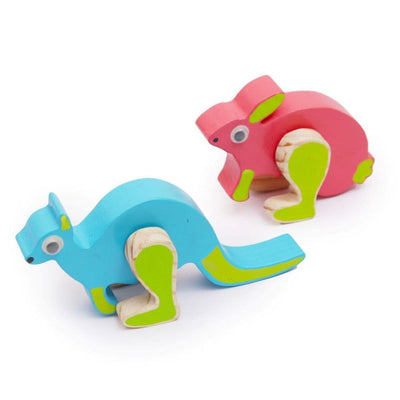
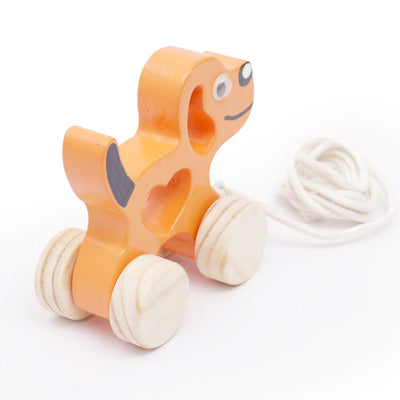
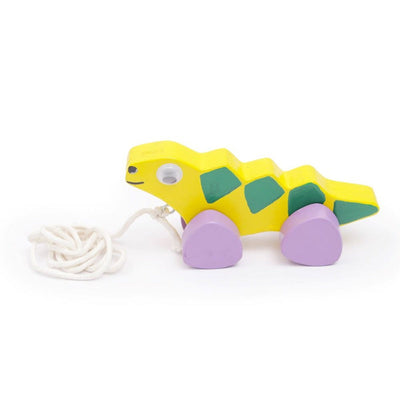
High-quality wooden toys, for example, offer a sensory experience that plastic toys often lack. Their weight, texture, and durability encourage thoughtful interaction and can withstand years of active play, making them a sustainable choice for Indian families. These toys are designed to isolate a single quality or concept, allowing children to focus without distraction and master one skill at a time.
Fostering Skills for the Future
Research consistently demonstrates the long-term benefits of early childhood engagement with educational materials. A study published in the 'Journal of Applied Developmental Psychology' indicated that children exposed to hands-on, play-based learning environments performed significantly better in school readiness assessments and showed improved executive function skills. This proactive approach ensures children are not just occupied, but genuinely developing skills vital for their academic and personal future.
Practical Strategies for Indian Parents to Enrich Weekends
Transforming weekends with kids learning toys is about more than just buying products; it's about adopting a mindset. Indian parents can begin by observing their child's interests and developmental stage to select appropriate Montessori learning materials. This ensures the toys are neither too easy nor too frustrating, maintaining optimal engagement.
Involving children in household tasks, often seen as chores, can also be reframed as practical life Montessori activities. From helping to knead dough for rotis to arranging clothes, these activities build concentration, coordination, and a sense of contribution. Such integration not only enriches the child's weekend but also strengthens family bonds and instills valuable life skills, a common tradition in Indian homes where children often assist elders.
Cultivating Independence and Joy
Providing a consistent routine, even a flexible one, around learning and play on weekends can offer children a sense of predictability and security. This allows them to anticipate and enjoy their self-directed activities. Remember, the goal is not to fill every minute with structured learning, but to provide enriching options that children can choose when they feel the urge to explore or create, combating the 'nothing to do' syndrome effectively.
- Montessori kids learning toys offer a profound solution to weekend boredom for Indian children by promoting self-directed engagement.
- These educational materials foster independence, concentration, and essential life skills through purposeful, hands-on activities.
- Integrating Montessori activities at home provides a culturally relevant and secure environment for child development in Indian families.
- Studies indicate that play-based learning significantly boosts cognitive development and school readiness in early childhood.
- High-quality wooden Montessori toys offer durable, sensory-rich experiences that actively engage children, contrasting with passive screen time.
- Indian parents can easily create a 'prepared environment' at home, allowing children to choose and engage with enriching activities autonomously.
How do Montessori toys prevent boredom on weekends?
Montessori toys are designed to be self-correcting and open-ended, encouraging deep concentration and sustained engagement. They provide children with purposeful activities that foster independence and skill development, effectively transforming idle time into constructive learning experiences.
Are Montessori toys suitable for all age groups of Indian children?
Yes, Montessori learning materials are specifically designed for various developmental stages, from infants to school-going children. Each toy targets specific skills appropriate for the child's age, ensuring engaging and challenging experiences that adapt as they grow.
What kind of skills do kids learning toys develop?
Kids learning toys, particularly Montessori ones, develop a wide range of skills including fine and gross motor skills, problem-solving abilities, concentration, sensory perception, and practical life skills. They also encourage creativity, critical thinking, and a love for self-directed learning.
How can Indian parents integrate Montessori activities at home without a dedicated classroom?
Indian parents can easily integrate Montessori activities by creating a small, accessible 'prepared environment' at home, even in a corner of a room. Rotating a few curated Montessori learning materials, involving children in daily chores, and allowing independent exploration are key.
Where can I find authentic Montessori learning toys in Bengaluru?
For authentic and high-quality Montessori learning toys in Bengaluru, parents can explore SkilloToys.com. We offer a wide range of educational materials designed to support a child's natural development, ensuring safety and durability for long-term engagement.