Montessori Daycare India: Guide to Safe, Educational Childcare
Choosing a high-quality Montessori daycare India is paramount for ensuring your child's safety and fostering their early development, especially amidst the growing 'Childcare Dilemma India' highlighted by NDTV. Parents seeking both peace of mind and an enriching educational start will find a Montessori environment provides a structured, child-centric approach. This guide outlines how to identify daycares that meet stringent safety standards while embracing effective educational philosophies.
For many Indian families, where grandparents traditionally played a significant role in childcare, the shift towards nuclear families and dual-income households has made external childcare a necessity. The question isn't just about finding a space; it's about finding a sanctuary that aligns with your parenting values and nurtures your child's innate potential. As 'new-age parents' increasingly become a discerning consumer category, the demand for transparent, high-quality early childhood care is rising.
What is a Montessori Daycare?
A Montessori daycare is a prepared environment where children learn through self-directed activity, hands-on learning, and collaborative play, guided by specially trained educators. This matters because it nurtures a child's natural curiosity and independence, crucial for holistic development. Indian parents can look for centres that apply these principles for a truly enriching experience.
Daycare Safety India: Non-Negotiables for Peace of Mind
The safety of your child is unequivocally the top priority when selecting any childcare facility. Studies indicate that nearly 70% of Indian parents prioritise safety and hygiene above all else when selecting a daycare, underscoring the critical need for transparent protocols. This isn't just about compliance; it's about genuine peace of mind for parents.
Ensure the facility has secure entry and exit points, child-proofed environments, and clear emergency evacuation plans. Inquire about the staff's training in first aid and CPR, and confirm that robust background checks, including police verification, are conducted for all personnel. A low teacher-to-child ratio, particularly for toddlers (ideally 1:3 or 1:4), is a definitive indicator of adequate supervision and personalised care.
Hygiene standards are equally critical. Observe the cleanliness of play areas, sleeping spaces, and washrooms. Ask about their sanitisation schedule, food preparation protocols, and sick child policies. A responsible daycare will have clear guidelines to prevent the spread of illness, protecting not just your child, but the entire daycare community.
The Montessori Advantage: Nurturing Early Childhood Education India
Beyond safety, the educational philosophy of a daycare profoundly impacts a child's development. A Montessori environment stands out for its child-centric approach, emphasising self-directed learning and independence. Maria Montessori's method, proven globally, focuses on developing the whole child – cognitively, emotionally, socially, and physically.
In a Montessori setting, children engage with specially designed Montessori learning materials, like the iconic Pink Tower or Sandpaper Letters, that encourage exploration and discovery. These materials are self-correcting, allowing children from 18 months to six years to learn at their own pace, fostering concentration and a love for learning. Child development experts agree that environments encouraging self-directed play and exploration significantly boost cognitive development and problem-solving skills in young children.
This approach nurtures practical life skills – from pouring water to buttoning a shirt – which are invaluable for independence. For Indian children, who often grow up in supportive family structures, a Montessori daycare offers a unique opportunity to build self-reliance while still feeling a strong sense of community, akin to a larger joint family but with structured learning.
Choosing a Daycare India: Practical Steps for Informed Parents
Selecting the right daycare involves thorough research and observation. Begin by visiting several facilities, observing the children, and interacting with the staff. Pay attention to how educators engage with children – is it with respect, warmth, and encouragement? Ask about their approach to early childhood education and how it supports individual learning styles.
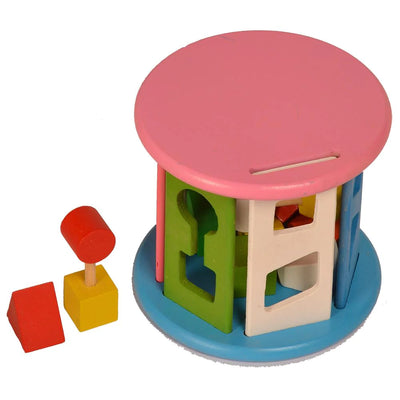
Inquire about staff qualifications, specifically if they have Montessori certifications or formal training in early childhood development. Transparent communication channels between parents and staff are vital; a good daycare will provide regular updates on your child's progress and be open to your feedback. Look for daycares that invest in high-quality, age-appropriate educational toys that foster creativity and critical thinking, and durable wooden toys known for their safety and longevity.
Beyond Basics: The Role of Educational Toys for Daycare
A well-equipped daycare understands that toys are not just for play, but essential tools for learning. In a Montessori context, these are often referred to as 'materials' and are meticulously chosen to support specific developmental milestones. Beyond traditional blocks, look for daycares that incorporate materials for sensorial development, language enrichment, and practical life skills.
These educational tools stimulate cognitive growth, fine motor skills, and problem-solving abilities. They provide children with opportunities to explore, experiment, and understand the world around them in a hands-on way. A daycare that prioritises such thoughtful selection demonstrates a deeper commitment to your child's holistic development, extending beyond mere supervision.
- Montessori daycares offer unique benefits for early child development in India through self-directed learning.
- Safety, hygiene, and robust security protocols are non-negotiable in any daycare choice for Indian parents.
- Parents must thoroughly vet staff qualifications, including Montessori certifications and background checks.
- A prepared Montessori environment fosters independence, concentration, and a genuine love for learning.
- Prioritise open communication and transparency with daycare providers regarding curriculum and child progress.
- High-quality educational toys and learning materials are integral to a stimulating and effective learning space.
What age is best to enrol a child in a Montessori daycare in India?
Children can benefit from a Montessori environment as early as 18 months, especially for toddler programs focused on practical life skills. Most core Montessori programs begin around 2.5 to 3 years, aligning with a child's sensitive period for order and language.
How can I verify the safety standards of a potential daycare in India?
Parents should conduct thorough site visits, check for secure entry points, review staff background verification processes, and inquire about emergency protocols. Observing staff-child ratios and hygiene practices firsthand is also crucial for confirming safety standards.
Are Montessori daycares suitable for children from joint families in India?
Absolutely. Montessori principles, which focus on respect, community, and individual growth, can complement the values often found in joint family settings. They offer a structured yet adaptable environment that supports children's transition and development effectively.
What educational toys should I expect to see in a quality Montessori daycare?
Expect to see specialized Montessori materials like the Pink Tower, Cylinder Blocks, Sandpaper Letters, and practical life tools. These are designed to be self-correcting and promote hands-on, independent learning in various developmental areas crucial for early childhood.
How does a Montessori daycare prepare my child for traditional schooling in India?
A Montessori daycare fosters independence, concentration, problem-solving, and a genuine love for learning, all strong foundations for any schooling system. Children develop self-discipline and an ability to work purposefully, easing their transition into more structured academic environments.