Montessori Exam Stress: India Parents' Guide
Implementing Montessori principles definitively helps Montessori exam stress India parents manage academic pressure and nurture their children's holistic development during challenging periods. Research consistently demonstrates that this child-centred approach fosters independence and reduces anxiety, providing a vital framework for Indian families navigating the demanding school examination season.
The annual exam season in India often brings a wave of stress, not just for children but also for their parents, many of whom are part of the 'Sandwich Generation' juggling multiple responsibilities. The pressure to perform well, particularly in crucial board exams, can overshadow the joy of learning. SkilloToys.com offers a perspective rooted in the Montessori philosophy to transform this stressful period into an opportunity for growth and genuine learning.
What is Montessori Education?
Montessori education is a child-centred pedagogical approach emphasizing self-directed activity, hands-on learning, and collaborative play. It matters because it cultivates independence, concentration, and a lifelong love of learning, offering a powerful alternative to traditional, pressure-cooker academic models. Indian parents can implement its core tenets to foster calm and competence during stressful exam periods.
Reducing Exam Pressure: Parenting Tips for Exam Season India
Child development experts agree that a calm and supportive environment is paramount for children's well-being during exams. Montessori principles advocate for a 'prepared environment' that encourages self-discipline and focus. For Indian parents, this means creating a dedicated, clutter-free study space at home that the child feels ownership over.
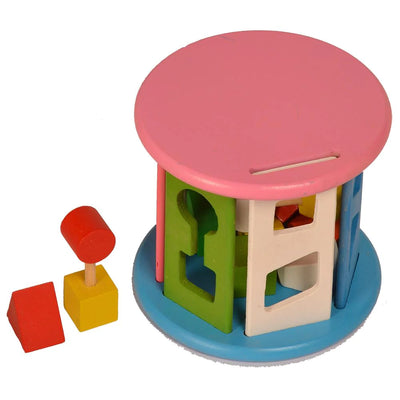
Instead of rigid schedules, encourage your child to choose their study times within a flexible framework, respecting their natural concentration cycles. Offer clear, organised materials, similar to how Montessori classrooms present their work. Providing access to quality Montessori method learning materials can make even complex topics more accessible and less intimidating.
Studies indicate that children thrive when they feel competent and independent. During exam season, empower your child by teaching them effective organisational skills for their notes and textbooks. Encourage them to create their own study guides, fostering a sense of control and reducing reliance on rote memorisation, which is often a significant source of stress in the Indian education system.
Fostering Holistic Education: Child Well-being During Exams India
Beyond academic performance, the Montessori philosophy champions the holistic development of a child – emotional, social, physical, and cognitive. During exam season, this means prioritising your child's overall well-being. Indian parents can integrate short, refreshing breaks for physical activity or creative play into their child's study routine.
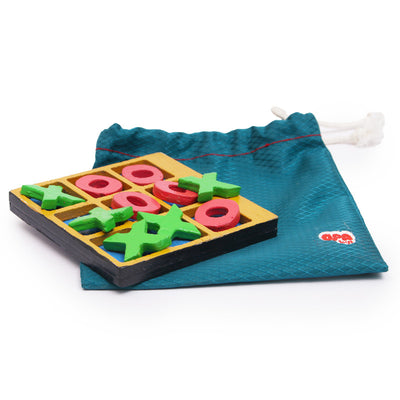
Ensure your child maintains a healthy diet and gets adequate sleep, as these are foundational to cognitive function and emotional resilience. Encourage open communication about their feelings and anxieties without judgment. High-quality educational toys and games can offer a much-needed mental break, engaging different parts of the brain and preventing burnout.
In joint family settings, grandparents can play a crucial role, not by adding pressure, but by providing emotional comfort, sharing stories, or simply offering a calming presence. This family support system reinforces a child’s sense of security, crucial for navigating exam stress. Remember, emotional intelligence is as important as academic intelligence for long-term success.
Cultivating Intrinsic Motivation: An Alternative to Rote Learning India
One of the most profound aspects of Montessori education is its emphasis on intrinsic motivation – the drive to learn for the sake of learning, rather than external rewards or fear of punishment. This stands in stark contrast to the prevalent rote learning methods often found in Indian schools, which can stifle curiosity and create immense pressure.
To counter this, encourage your child to explore topics beyond their textbooks. If they are studying about space, provide a science kit or books on astronomy to deepen their understanding experientially. This makes learning an adventure, not just a chore. Focus on asking 'why' and 'how' questions that promote critical thinking, rather than just recall.
Research shows that children who engage in hands-on, self-directed learning retain information more effectively and develop stronger problem-solving skills. By nurturing a genuine love for discovery, parents can help children approach exams not as an ordeal, but as an opportunity to demonstrate what they have genuinely understood and mastered.
Practical Montessori Strategies for Indian Homes
Incorporating Montessori principles into your home during exam season is practical and effective. Establish a routine that includes time for self-care, family connection, and unstructured play, alongside dedicated study periods. Empower your child to set their own daily study goals, and help them break down larger tasks into manageable steps.
Encourage self-correction and self-assessment, common in Montessori classrooms. Instead of immediately pointing out mistakes, ask questions that guide your child to find the correct answers themselves. This builds confidence and analytical skills. Remember that the journey of learning is more important than just the final score.
By adopting a Montessori-inspired approach, Indian parents can transform the often-dreaded exam season into a period of growth, fostering independent, confident, and resilient learners. SkilloToys.com is dedicated to supporting this journey with resources and materials that align with these powerful educational principles.
- Montessori principles demonstrably reduce exam stress by fostering independence and intrinsic motivation in children.
- Creating a 'prepared environment' at home empowers children with a sense of control over their study space and materials.
- Prioritising holistic well-being, including sleep, diet, and emotional support, is crucial for children during exam periods.
- Montessori encourages deep understanding and critical thinking, offering an effective alternative to traditional rote learning.
- Indian parents can integrate Montessori strategies like self-assessment and guided learning to build child confidence.
- Research consistently links self-directed learning methods to higher self-efficacy and reduced academic anxiety in students.
How do Montessori principles help reduce exam stress in children?
Montessori principles cultivate independence, intrinsic motivation, and a prepared environment, which empower children to approach learning with confidence rather than fear. This focus on self-directed activity reduces the anxiety often associated with traditional, high-stakes testing.
What is the primary benefit of a Montessori approach during exam season?
The primary benefit is fostering a child's self-efficacy and love for learning, shifting the focus from rote memorization to genuine understanding. This deeper engagement reduces pressure and builds resilience, ensuring well-being during and after exams.
Can Montessori methods be applied alongside traditional schooling in India?
Absolutely. Indian parents can integrate Montessori principles at home by creating an organised study space, encouraging self-assessment, and prioritising hands-on learning experiences. These home-based practices complement school curricula and support holistic development.
What role does a 'prepared environment' play in reducing exam stress?
A prepared environment offers a child independence and control over their learning space and materials, reducing overwhelm and increasing focus. This structure provides a sense of security and predictability, which is crucial for lowering stress levels during demanding periods like exam season.
How can Indian parents encourage intrinsic motivation in their children for studies?
Indian parents can encourage intrinsic motivation by focusing on effort and understanding rather than just grades, allowing choices in study methods, and providing engaging, hands-on learning materials. Celebrating progress and curiosity, instead of solely outcomes, fosters a genuine love for knowledge.