Raising Children in India vs Norway: Cost & Childhood
Studies definitively indicate that while raising children in India vs Norway often involves significantly higher financial outlays for education and extracurriculars in India, this intense focus can inadvertently lead to a reduction in unstructured play and childhood freedom compared to the Norwegian model. This definitive difference highlights a critical debate for Indian parents, especially in bustling cities like Bengaluru.
Recent discussions across Google News have sparked a nationwide conversation among Indian parents: are we spending lakhs on our children's future while inadvertently stripping away the essence of their childhood? From NDTV reporting on 'Man Lists Expenses Parents Face While Raising A Child In India' to The Times of India's piece on 'There is absolutely nothing to do in Indian cities' for kids, the concern is palpable. This financial burden coupled with the pressure to excel academically stands in stark contrast to models observed in countries like Norway, prompting us to examine how we nurture our youngest.
Montessori education is a child-centred approach focusing on self-directed activity, hands-on learning, and collaborative play in a prepared environment. This matters because it fosters independence, intrinsic motivation, and a love for learning from an early age. Indian parents can integrate its principles at home to nurture their child's natural curiosity.
The Financial Landscape: Cost of Raising a Child in India
Research shows that the financial cost of raising a child in India has escalated dramatically, particularly in urban centres. Parents often invest substantial sums in private schooling, tuition classes from an early age, and a multitude of extracurricular activities, aiming to give their children a competitive edge. This 'arms race' often begins even before kindergarten, with admissions to top preschools costing as much as a college semester.
For example, a 2023 study by a leading financial firm, across major Indian cities, indicated that education alone can consume upwards of 25-30% of a middle-class family's income, a figure that continues to rise annually. This includes not just school fees but also coaching for competitive exams, which has become almost mandatory for many joint families aspiring for their children's success in fields like engineering or medicine.
In stark contrast, Norway's highly socialised system provides extensive state-funded childcare and education from a young age. This significantly reduces the financial pressure on parents, allowing them to allocate resources differently and focus more on family time and experiences rather than material or educational investments.
Childhood in India vs. Norway: A Question of Freedom and Play
The very definition of childhood in India is undergoing a transformation, often characterised by packed schedules and limited unstructured play. The entrepreneurial take that 'there is absolutely nothing to do in Indian cities' for kids highlights a critical lack of safe, accessible public spaces for free exploration. This often leads children to spend more time indoors, engaged with screens or structured lessons, diminishing opportunities for vital outdoor play and social development.
Studies indicate that children in urban India spend significantly less time outdoors compared to a generation ago, often under two hours a day. In Norway, childhood is synonymous with nature, freedom, and extensive outdoor play, regardless of weather. Children are encouraged to explore forests, climb trees, and engage in imaginative play, fostering resilience, creativity, and problem-solving skills naturally.
Montessori education aligns strongly with the Norwegian philosophy by advocating for purposeful play and hands-on exploration over rote learning. SkilloToys offers a wide range of educational toys that encourage such discovery, allowing children to learn through engagement rather than memorisation.
Academic Pressure India and the Montessori Alternative
The relentless academic pressure India places on children is undeniable, with expectations of high grades and early specialisation starting in primary school. This intense competition for admissions to prestigious institutions often leads to stress, anxiety, and a disinterest in learning for learning's sake among young minds. Parents, often driven by a desire for their children's future security, feel compelled to push for early academic achievement.
Maria Montessori's philosophy offers a powerful counter-narrative to this high-pressure environment. Montessori education, with its emphasis on individualised learning and intrinsic motivation, allows children to learn at their own pace, following their natural curiosity. Specific Montessori materials, such as the Pink Tower for sensorial development or sandpaper letters for tactile literacy, engage children deeply, fostering genuine understanding rather than superficial memorisation.
Child development experts agree that an environment that respects a child's natural developmental stages and interests leads to more robust learning outcomes. SkilloToys provides authentic Montessori learning materials that empower children to explore concepts independently, developing a lifelong love for discovery.
Reclaiming Childhood: Practical Steps for Indian Parents
For Indian parents concerned about the balance between academic rigour and childhood joy, practical steps can be taken inspired by both Montessori principles and the Norwegian emphasis on well-being. Prioritising unstructured play and quality family time, like the traditional practice of sleeping beside kids, can significantly enrich a child's developmental experience.
Embracing Open-Ended Play and Nature
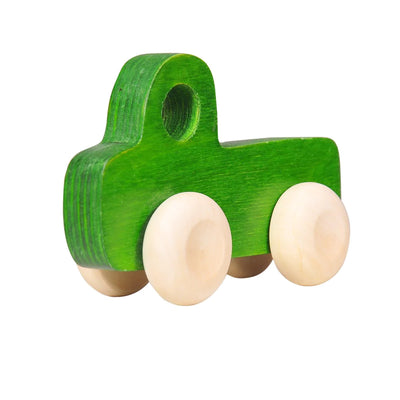
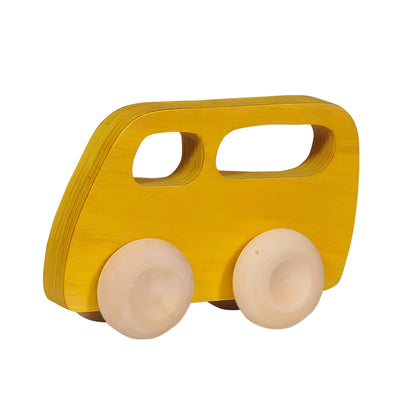
Encourage free play by providing open-ended wooden toys and natural materials that spark imagination, rather than toys with a single function. Regular visits to local parks or even creating a 'nature corner' in a balcony can offer vital sensory experiences. Children aged 18-24 months benefit immensely from simple objects they can manipulate and explore without adult direction.
Prioritising Quality Over Quantity in Education
Focus on developmental benefits when selecting learning tools. Rather than endless tuition, consider activity kits and science kits that encourage hands-on exploration and critical thinking. Montessori's core tenet is that children learn best by doing, making thoughtful toy selection a powerful educational tool for the modern Indian home.
- The financial cost of raising children in urban India is significantly higher than in Norway due to private education expenses.
- Indian childhood is often characterised by intense academic pressure and less unstructured outdoor play compared to Norway.
- Montessori education offers an alternative by fostering self-directed learning, independence, and intrinsic motivation.
- Studies show a decline in outdoor play hours for Indian children, impacting holistic development.
- Integrating Montessori principles and encouraging free play can help Indian children reclaim essential aspects of childhood.
- Balancing academic pursuits with ample opportunities for exploration and family connection is vital for well-rounded development.
Is raising a child in India more expensive than in Norway?
Yes, research indicates that the direct financial outlay for education and extracurricular activities in India, particularly in urban areas, is often significantly higher than in Norway. Norway benefits from extensive state-funded childcare and education, reducing out-of-pocket expenses for parents.
How does academic pressure in India compare to Norway?
Academic pressure in India typically begins much earlier, with intense competition for admissions and emphasis on rote learning from preschool. In contrast, Norway prioritises play-based learning and social-emotional development in early childhood, with formal schooling starting later and a greater focus on holistic well-being.
What is the Montessori approach to early childhood education?
The Montessori approach is a child-centred educational method that emphasises self-directed activity, hands-on learning, and collaborative play within a carefully prepared environment. It encourages children to develop independence, intrinsic motivation, and a deep, natural love for learning at their own pace.
How can Indian parents incorporate more free play into their children's lives?
Indian parents can foster more free play by scheduling unstructured time, providing open-ended materials like wooden toys, and encouraging outdoor exploration in parks or even balconies. Limiting screen time and offering choices in activities empowers children to direct their own play experiences.
Why is a balance between academics and play crucial for child development?
A balance between academics and play is crucial because play fosters creativity, problem-solving skills, social-emotional development, and physical health, all essential for holistic growth. Over-emphasis on academics without adequate play can lead to stress, burnout, and reduced intrinsic motivation in children.