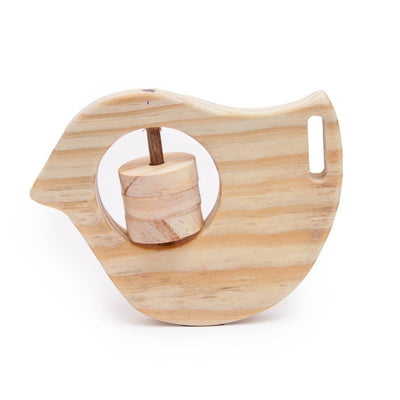
Board Games for Kids: Montessori Fun & Learning
Montessori-inspired board games for kids are specifically designed to foster independent learning, critical thinking, and social skills through engaging, hands-on play, making them an excellent choice for modern Indian families seeking screen-free educational entertainment. These games offer a unique blend of fun and purposeful learning, seamlessly integrating into the daily routines of urban households and promoting holistic child development.
As urban Indian parents, we're always looking for enriching activities that don't involve a screen. Board games offer that perfect balance, bringing families together while nurturing crucial developmental milestones in our children.
What are Montessori-Inspired Board Games?
Montessori-inspired board games are educational tools that integrate the principles of self-directed activity, practical life skills, and sensory exploration into game play. This matters because they promote cognitive development and social interaction through purposeful engagement. Indian parents can use these games to create enriching learning experiences at home.
Why Montessori Principles Shine in Board Games for Indian Kids
Child development experts agree that play is fundamental to learning, and board games rooted in Montessori philosophy offer profound benefits. These games encourage children to explore concepts independently, fostering a deep understanding rather than mere memorisation. This approach aligns perfectly with the aspirations of Indian parents who value comprehensive development.
Research indicates that engaging with well-designed board games significantly boosts a child's problem-solving abilities and critical thinking skills. Unlike passive entertainment, these games demand active participation, helping children develop patience, concentration, and the ability to strategise. They are an invaluable tool for preparing children for academic challenges and life skills, often in a fun, pressure-free environment.
Moreover, Montessori-inspired board games foster essential social skills crucial in our joint family setups and community-oriented society. Taking turns, understanding rules, negotiating, and learning to win or lose gracefully are invaluable lessons. Maria Montessori herself emphasised the importance of community and interaction in a child's development, principles beautifully mirrored in cooperative and competitive board games.
Picking the Best Educational Board Games for Kids in India
Choosing the right educational board games for kids is about finding age-appropriate challenges that spark curiosity and develop specific skills. For toddlers aged 18-36 months, simple matching games or shape sorters that introduce colours and forms are ideal, laying foundational cognitive skills. These early experiences mimic the hands-on exploration of Montessori materials like the pink tower or knobbed cylinders.
As children grow older, from 3 to 6 years, consider games that involve counting, simple strategy, and fine motor skills. Games requiring children to move pieces, identify patterns, or follow a sequence build concentration and hand-eye coordination. Many parents in India seek out these types of engaging activityKits that combine fun with academic readiness.
For primary school children (6+ years), look for best board games for kids India that promote advanced logical thinking, mathematical concepts, and creative problem-solving. Games involving resource management, deductive reasoning, or even cooperative storytelling can enhance their cognitive flexibility. These choices support school curricula while keeping learning enjoyable and interactive.
Beyond the Board: Creating a Montessori Game Environment
The true magic of montessori board games lies not just in the game itself, but in the environment we create around it. Encourage independent choice by offering a selection of games accessible to your child, allowing them to initiate play. This fosters autonomy and respect for their interests, a cornerstone of the Montessori philosophy.
As parents, our role is to be observers and facilitators rather than constant instructors. Provide clear instructions initially, then step back and allow your child to discover solutions and self-correct. This approach builds resilience and confidence, crucial traits for navigating life. Remember, the process of play is often more valuable than the outcome.
Involve grandparents and other family members in game time, turning it into a cherished family ritual. These moments strengthen bonds and create lasting memories, particularly important during festivals or family gatherings. Board games are fantastic Montessori method learning materials that transcend generations, offering shared joy and learning.
Top Montessori-Inspired Board Games for Indian Families
For parents seeking excellent family board games India has embraced, consider those that promote a range of skills. Logic-based puzzle games like Rush Hour or traditional Indian games like Pallanguli (mancala) offer strategic depth and cultural connection. Matching and memory games are timeless, boosting cognitive recall and pattern recognition.
Cooperative board games, where players work together towards a common goal, are particularly beneficial for social development. They teach collaboration, communication, and empathy, crucial lessons in a child's formative years. These games embody the Montessori ideal of a prepared environment where children learn from and with each other.
Studies consistently show that children who regularly engage in diverse board games demonstrate enhanced literacy, numeracy, and executive function skills. This prepares them not just for school, but for a lifetime of curious exploration and learning. Choosing quality Montessori-inspired games is an investment in your child's holistic growth.
- Montessori-inspired board games significantly boost cognitive development and critical thinking in children.
- Child development experts confirm board games offer superior learning benefits compared to screen time.
- Engaging with board games fosters essential social skills like turn-taking, negotiation, and gracious winning/losing.
- The Montessori philosophy encourages self-directed play and independent problem-solving through game engagement.
- Parents should select age-appropriate educational board games that align with their child's developmental stage.
- Board games provide invaluable opportunities for family bonding and cultural connection in Indian households.
Are board games better than screens for kids?
Yes, child development experts agree that board games offer superior cognitive and social benefits compared to screen time. They promote direct interaction, critical thinking, and fine motor skills in a way screens cannot.
What age can kids start playing board games?
Children can start engaging with simple board games as early as 2-3 years old, focusing on matching, sorting, and basic turn-taking. As they grow, complexity can increase to support their developing cognitive abilities.
How do Montessori principles apply to board games?
Montessori principles in board games emphasize self-correction, hands-on exploration, and skill development over rote memorization or competition. They encourage concentration, independence, and a love for learning through structured play.
Can board games help with school readiness in India?
Absolutely. Board games are instrumental in developing critical skills like problem-solving, logical reasoning, and social interaction, which are vital for academic success and school readiness in the Indian educational system.
How can I choose the right educational board game for my child?
To choose the right game, consider your child's age, developmental stage, and interests. Look for games that foster specific skills like counting, pattern recognition, or strategic thinking, aligning with Montessori values of purposeful play.