Homeschooling Curriculum India: Montessori for Parents
For Indian parents exploring flexible education, a homeschooling curriculum in India often involves adapting global philosophies like Montessori to local needs. Homeschooling allows families to tailor learning experiences, focusing on a child's individual pace and interests, away from traditional school pressures, creating a nurturing environment right at home that supports holistic development.
Many urban Indian parents, especially those juggling demanding careers in cities like Bengaluru, are reconsidering traditional schooling. The desire for a more personalized, less stressful educational journey for their children is growing. This shift often leads them to explore options like homeschooling, and within that, the Montessori method stands out for its proven, child-centric approach.
Homeschooling is a form of education where children are taught at home by their parents or tutors rather than in a formal school setting. This matters because it offers unparalleled flexibility and personalization, fostering a deep love for learning. Indian parents can choose from various curricula, with Montessori being a popular choice for its child-centric approach.
Why Montessori Homeschooling India Appeals to Today's Parents
Modern Indian parents are increasingly focused on their child's holistic development, not just academic scores. Research indicates that a significant percentage of parents are concerned about the mental health and stress levels of children in traditional schooling systems. Montessori homeschooling in India offers a refreshing alternative by prioritizing a child's natural curiosity and independence, much like how a 'dadi' might guide a child through household tasks with patience and observation.
Child development experts agree that early childhood is a critical period for developing foundational skills and a love for learning. The Montessori method aligns perfectly with this, recognizing sensitive periods for language acquisition, order, and movement. For a 3-year-old in a joint family in Mumbai, learning to pour water into a glass (a practical life activity) can be just as valuable as reciting the alphabet, teaching concentration and coordination simultaneously.
Furthermore, Montessori allows for individualized pacing. If your child, like many in India, shows an early aptitude for numbers or a keen interest in animals, the curriculum can adapt. This contrasts sharply with a one-size-fits-all approach, and can help parents identify and support developmental milestones that might be missed in a larger classroom setting, a point often emphasized by pediatricians when discussing red flags in child development.
Crafting Your Montessori Homeschooling Curriculum in India
A successful Montessori homeschooling curriculum isn't about replicating a school in your living room; it's about creating a 'prepared environment' that invites exploration and discovery. This environment should be orderly, beautiful, and child-accessible, much like a well-organized 'puja room' invites quiet contemplation. Maria Montessori observed that children thrive in spaces designed for their independence.
Start by observing your child. What are they naturally drawn to? Are they fascinated by sorting objects, or do they love to help you with chores? These observations guide your curriculum. For a toddler aged 18-24 months, simple practical life activities like sweeping with a child-sized broom or washing vegetables can become engaging lessons. For a 4-year-old, exploring different textures through sensorial materials might be their current passion.
Essential Educational Toys for Montessori at Home India
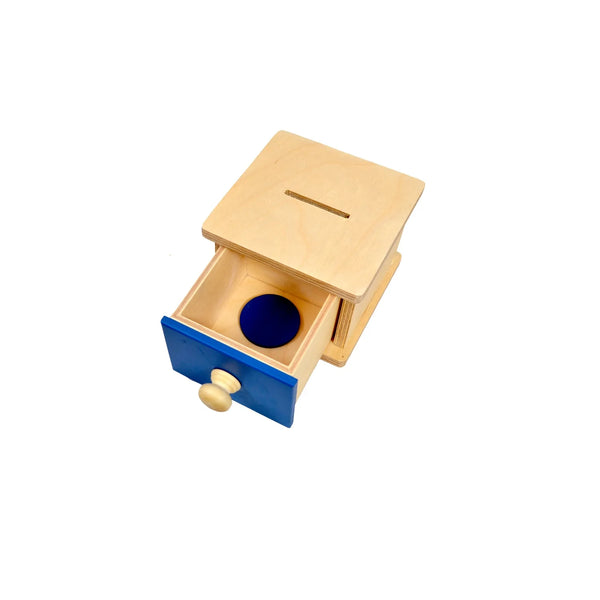
The right educational toys are the heart of a Montessori homeschooling environment. They are not merely playthings but tools for development, carefully designed to isolate concepts and promote self-correction. Quality over quantity is key; each material serves a specific purpose.
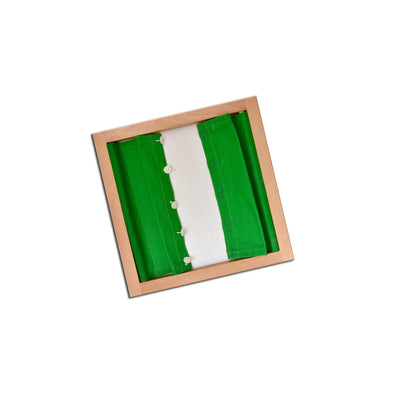
For developing fine motor skills and understanding size, the Pink Tower is iconic. For early literacy, sandpaper letters offer a multi-sensory approach to learning letter shapes and sounds. Practical life activities, often overlooked, are crucial for independence. Think about a pouring work set, or buttoning frames. These simple, yet profound materials are available as activity kits, making it easier for parents to set up their learning spaces.
When choosing materials, consider their purpose: Do they engage a specific sense? Do they teach a single concept clearly? Are they made of natural materials that offer sensory feedback? For example, wooden counting beads offer a different, more tactile learning experience than plastic ones, enhancing a child's understanding of quantity.
Overcoming Challenges & Building a Supportive Network for Indian Homeschoolers
The decision to homeschool, while rewarding, comes with its own set of questions, especially in a society deeply rooted in traditional schooling norms. Urban Indian parents often worry about their child's socialization or how to manage homeschooling alongside their careers. Grandparents, with their own experiences of education, might also need gentle reassurance about this modern approach.
Building a supportive network is crucial. Many Indian cities, including Bengaluru, have thriving online and offline homeschooling communities. These groups offer a platform for parents to share resources, organize playdates, and even set up cooperative learning experiences, ensuring children receive ample social interaction. Connecting with other homeschooling families can also provide valuable emotional support and practical tips for balancing work and education.
Child development research consistently shows that children learn best when they feel safe, supported, and engaged. By choosing a Montessori homeschooling curriculum, Indian parents are not just opting for an alternative; they are embracing a philosophy that respects the child as an individual, fostering a lifelong love for learning that transcends classrooms and textbooks, preparing them not just for exams, but for life itself.