Boosting Child Immunity Winter: A Montessori Guide
As winter approaches, the familiar chill brings with it the season of sniffles and coughs, making boosting child immunity winter a top priority for modern Indian parents. Much like The Times of India recently highlighted practical tips for Indian families, we understand the juggle: managing work, family, and your little one's health. The good news is, a Montessori approach offers powerful, holistic strategies that go beyond just medication.
What is Child Immunity?
Child immunity is the body's ability to defend itself against illness and infection, developing robustly from infancy through childhood. This matters because a strong immune system allows children to thrive, explore, and learn without constant health setbacks. Indian parents can proactively support this development through mindful daily routines and a supportive home environment.
A Prepared Environment for Robust Health: Montessori Principles for Winter Wellness
Maria Montessori's philosophy isn't just about academics; it's about nurturing the whole child. A "prepared environment" means creating a space that empowers children to be independent, and this extends beautifully to their health. For boosting child immunity winter, consider how your home encourages self-care.
For instance, a child-sized sink or a low stool at the bathroom basin allows your 3-year-old to wash their hands independently, instilling a vital hygiene habit. Providing accessible, healthy snacks within their reach encourages healthy choices. The American Academy of Pediatrics (AAP) consistently emphasizes the role of a supportive environment in a child's overall well-being, which directly impacts their immune response.
Nourishing from Within: Seasonal Indian Diet for Immune Support
When it comes to winter health kids India, our grandmothers often had the best advice: eat seasonal and local. Winter in India offers a bounty of immunity-boosting foods. Think vibrant oranges and guavas for Vitamin C, dark leafy greens like palak and sarson for essential vitamins, and hearty root vegetables such as carrots and sweet potatoes.
Traditional Indian ingredients like turmeric (haldi), ginger (adrak), and jaggery are powerhouse immune boosters. Incorporate a daily "haldi doodh" (turmeric milk) for older children or jaggery-based treats in moderation. Involve your child in the kitchen; even a 2-year-old can help wash vegetables or tear lettuce, fostering a positive relationship with healthy food. This practical life activity, as taught in Montessori, encourages ownership over their nutrition.
Movement & Fresh Air: Beyond the Indoors
While the winter chill might tempt us to keep children indoors, consistent outdoor exposure is a crucial Montessori health tip. Fresh air, even on colder days, helps clear respiratory passages and provides much-needed Vitamin D from sunlight. Studies indicate that children who play outdoors regularly have stronger immune systems and fewer sick days.
Dress your child in layers and encourage active play. Whether it's a brisk walk in the park, collecting fallen leaves, or simply playing on a balcony, every moment outside counts. Gross motor activities, like climbing and running, are excellent for blood circulation and overall vitality. Consider activity kits that encourage active, hands-on play, even if it's setting up an obstacle course in a spacious living room during very cold days.
Sleep, Serenity, and Stress-Free Spaces
Adequate, quality sleep is non-negotiable for a robust immune system for children. During sleep, the body repairs itself and produces immune-boosting proteins. Urban Indian parents often struggle with late bedtimes due to screen exposure or demanding schedules. Establishing a consistent, calming bedtime routine, free from screens at least an hour before sleep, is paramount.
A Montessori-inspired approach also focuses on reducing overstimulation. Instead of passive screen time, offer engaging educational toys for healthy habits that encourage focus and calm, such as puzzles, stacking blocks, or sensory bins. A child engrossed in a purposeful activity is often less stressed, and a calm mind supports a healthier body. Child development experts at institutions like the Harvard Center on Developing Child consistently link reduced stress in early childhood to better long-term health outcomes.
The Power of Practical Life: Hygiene and Self-Care
One of the most powerful ways to empower Indian parents winter care is through practical life skills. Montessori emphasizes equipping children with the tools and knowledge to care for themselves and their environment. This directly translates to hygiene routines.
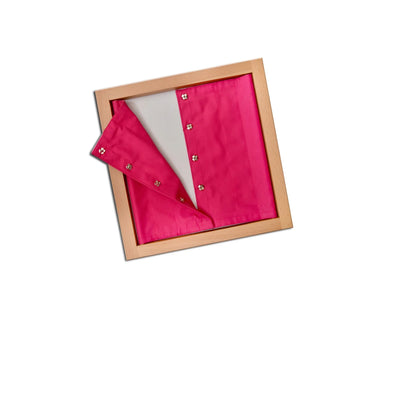
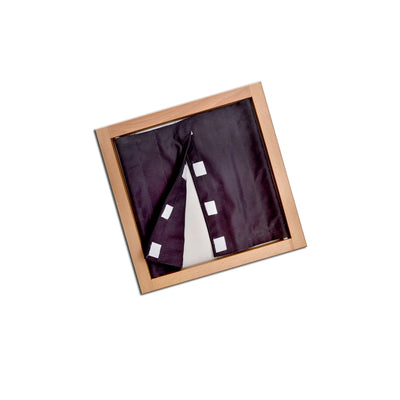
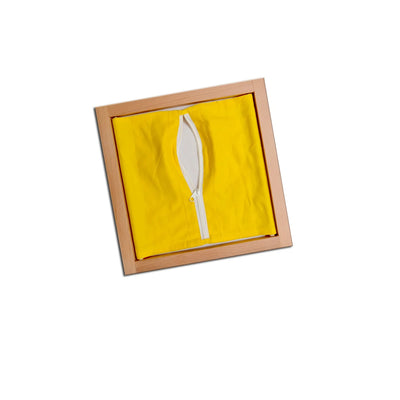
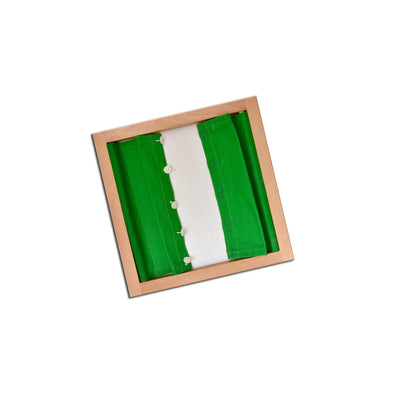
Teach your child how to properly wash their hands for at least 20 seconds, especially after play and before meals. Provide a small, child-friendly hand towel and soap. For a 4-year-old, the independence of choosing their own toothbrush or picking out their warm sweater fosters a sense of responsibility over their health. This autonomy is crucial; when children feel competent and in control of their daily actions, their stress levels decrease, which in turn supports a more resilient immune system. The simple act of mastering a practical skill, like buttoning their own coat, can have profound effects on their self-efficacy and overall well-being, far beyond just keeping warm.
By embracing these Montessori-inspired principles, we move beyond just reacting to illness and instead build a foundation for lifelong health and resilience in our children. It's about empowering them to be active participants in their own well-being, ensuring a healthier, happier winter for the whole family.