Child Misbehavior in Public: Montessori Discipline & Confidence
When facing child misbehavior in public, Montessori principles provide a definitive, respectful framework for effective discipline, fostering both a child's self-regulation and a parent's confidence. Child development experts agree that responding with calm, consistent strategies, rather than immediate punishment or bribery, is crucial for long-term behavioral success. This approach empowers Indian parents to navigate challenging public moments, like a child's outburst on a flight, with grace and intentionality, transforming potential embarrassment into a learning opportunity.
It’s a scenario every urban Indian parent knows: you're out – perhaps at Phoenix Marketcity, a family wedding, or even on an IndiGo flight – and your little one decides it's the perfect moment for a public display of defiance or distress. The glares, the whispers, the unsolicited advice from strangers or even well-meaning relatives can quickly erode your confidence, making you question your parenting style. The recent viral discussion about a child's ‘vandalism’ act on a flight highlights the intense public scrutiny Indian parenting often faces. But what if you could approach these moments not with dread, but with a toolkit of respectful, effective strategies? Montessori offers just that.
What is Montessori Discipline in Public?
Montessori discipline in public is a child-centric approach focusing on understanding behavior as communication and guiding children toward self-control through respectful interaction. This matters because it shifts the focus from punishment to teaching, fostering intrinsic motivation and problem-solving skills. Indian parents can apply this by preparing the environment, offering limited choices, and responding to misbehavior with calm redirection rather than reactive control.
Understanding Toddler Public Tantrums: A Montessori Perspective
Child development research indicates that toddlers (typically between 18 months and 3 years) lack the fully developed prefrontal cortex needed for impulse control and complex emotional regulation. Their public tantrums are often expressions of unmet needs, overstimulation, or a developing sense of autonomy colliding with external limits. Maria Montessori emphasized observing the child to understand the root cause of behavior, viewing these moments as 'crisis points' where growth can occur if handled respectfully.
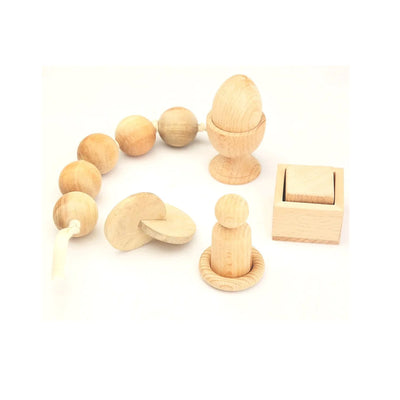
Instead of labelling a child as 'naughty,' Montessori encourages parents to see a tantrum as a cry for help or a natural developmental stage. For instance, a child melting down in a supermarket aisle might be overwhelmed by sensory input, tired, or simply frustrated by a lack of control. A study published in the Journal of Child Psychology and Psychiatry found that consistent, calm responses to tantrums lead to a significant reduction in their frequency and intensity over time. Preparing for outings with engaging activity kits can prevent some meltdowns by providing purposeful work, channeling a child’s natural curiosity.
Montessori Strategies for Respectful Discipline in Public Spaces
Applying Montessori principles to public discipline involves setting clear, consistent boundaries with warmth and respect, rather than resorting to coercion or public shaming. When misbehavior occurs, child development experts recommend a calm, immediate response. This could mean physically moving your child to a quieter space, acknowledging their feelings ("I see you're upset because you want that toy"), and then firmly stating the boundary ("But we do not throw things in the restaurant").
The Montessori method avoids bribing children with food or treats, aligning with the recent viral message from doctors encouraging Indian parents to 'stop loving kids with food.' Instead, it advocates for natural and logical consequences. If a child repeatedly disrupts others at a park, the logical consequence is leaving the park for a short period. This teaches cause and effect, without shaming. This approach also counters 'snowplow parenting syndrome' by allowing children to experience and learn from their actions, rather than constantly shielding them from struggle, promoting true resilience and self-reliance. You can find many materials, like practical life sets or small puzzles from our main Montessori collection, that teach concentration and respect for materials, reducing instances of destructive behavior.
Building Parental Confidence: Handling Public Embarrassment in Indian Parenting
One of the most challenging aspects of public misbehavior for Indian parents is the intense societal pressure and fear of judgment – the ubiquitous 'log kya kahenge'. However, true parental confidence comes from knowing you are responding intentionally and respectfully, guided by sound principles like Montessori, rather than reacting to external pressure. When a child misbehaves, take a deep breath, make eye contact with your child, and focus on their needs and the established boundaries, not on the onlookers.
Maria Montessori herself championed the child’s dignity. Protecting your child’s emotional well-being in a public setting means not shaming them, yelling, or negotiating excessively. Instead, model calm and firm behavior. Remember that you are teaching your child invaluable life skills, not performing for an audience. Studies indicate that parents who consistently apply respectful discipline techniques report higher levels of parenting satisfaction and lower levels of stress, even in challenging public situations.
Public misbehavior is an inevitable part of raising children, but it doesn't have to be a source of constant anxiety or embarrassment for Indian parents. By embracing Montessori strategies, you gain a powerful toolkit for understanding your child, setting clear boundaries, and fostering their intrinsic self-discipline. This approach not only transforms challenging moments into growth opportunities for your child but also significantly boosts your confidence as a parent, allowing you to navigate public spaces with calm and grace, regardless of who is watching.
- Child misbehavior in public is a normal developmental stage, not a sign of 'bad' parenting.
- Montessori discipline focuses on understanding the root cause of behavior and offering respectful, firm guidance.
- Avoiding bribes and allowing natural consequences teaches children responsibility and self-regulation.
- Parental confidence in public comes from consistent application of principles, not from seeking external validation.
- Responding calmly and moving to a quiet space protects a child's dignity and helps de-escalate tantrums.
- Preparing the environment with purposeful activities can significantly reduce instances of public misbehavior.
How should I respond immediately to a public tantrum using Montessori?
Respond calmly and immediately by acknowledging the child's feelings, then firmly stating the boundary. If possible, move to a quieter, less stimulating environment to help the child regain control without further external pressure or judgment.
What is the Montessori alternative to punishing a child in public?
The Montessori alternative focuses on redirection and natural or logical consequences, not punishment. For example, if a child misuses a toy at a friend's house, the consequence might be that the toy is put away for a short period, teaching responsibility.
How can I ignore judgmental stares from others in India?
Focus entirely on your child and the situation at hand, reminding yourself that you are acting with intention and respect. Your primary responsibility is to your child's development, not to the opinions of strangers or even well-meaning relatives.
Are Montessori strategies effective for all types of public misbehavior?
Montessori strategies are highly effective for most common public misbehaviors, from tantrums to defiance, as they address the underlying needs and teach self-regulation. Consistency and a prepared environment are key to their success across various situations.
How does Montessori prevent public misbehavior proactively?
Proactive Montessori prevention involves preparing the child for outings, providing meaningful engagement (like a small activity from an activity kit), and ensuring their basic needs (rest, hunger) are met. Setting clear expectations before leaving home also helps.