Educational Toys: A Montessori Buying Guide for Indian Parents
Choosing effective educational toys for your child is about more than just entertainment; it's about fostering independence, curiosity, and critical thinking from a young age. Modern Indian parents, especially those juggling demanding careers in Bengaluru's vibrant urban landscape, often seek guidance on selecting toys that truly benefit their child's development, moving beyond fleeting trends to purposeful learning. This guide helps you navigate the options through a Montessori lens, ensuring your choices align with your child's natural growth.
What are Montessori Educational Toys?
Montessori educational toys are purposefully designed materials that facilitate self-directed learning and independence in children. They matter because they encourage concentration, problem-solving, and fine motor skills by allowing children to discover concepts at their own pace. Indian parents can effectively use these tools to create a rich, stimulating home learning environment, reflecting a respect for the child's innate capabilities.
Understanding Montessori Principles for Smart Toy Selection
Selecting toys rooted in Montessori principles means looking beyond flashy packaging to the intrinsic value a toy offers. Child development experts agree that materials which engage a child's senses, promote independent exploration, and are self-correcting are most effective. This philosophy encourages a child to learn through doing, rather than being passively entertained, echoing traditional Indian values of practical life skills.
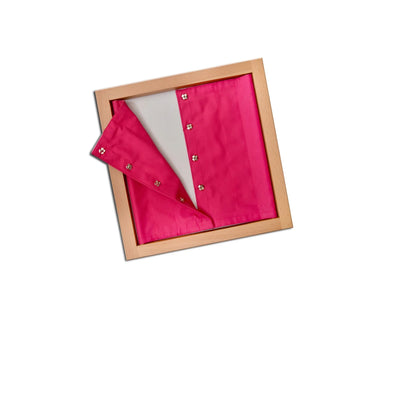
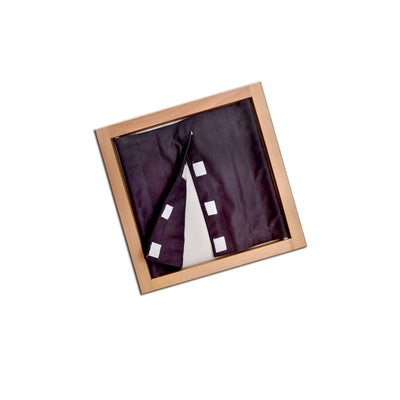
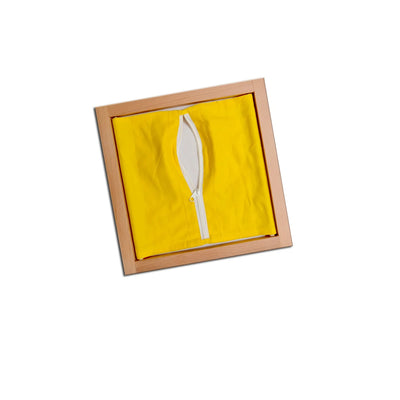
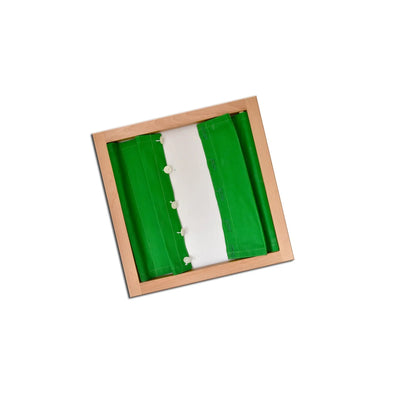
When you choose a toy, ask yourself: Does it have a clear purpose? Can my child figure out how to use it independently? For example, a set of activity kits that isolate a single skill, like lacing beads or sorting shapes, offers focused learning. This contrasts sharply with many multi-functional electronic toys that might overstimulate without deep engagement, a common concern for urban parents facing increasing screen time pressures.
Age-Appropriate Toys: Matching Milestones, Not Marketing Hype
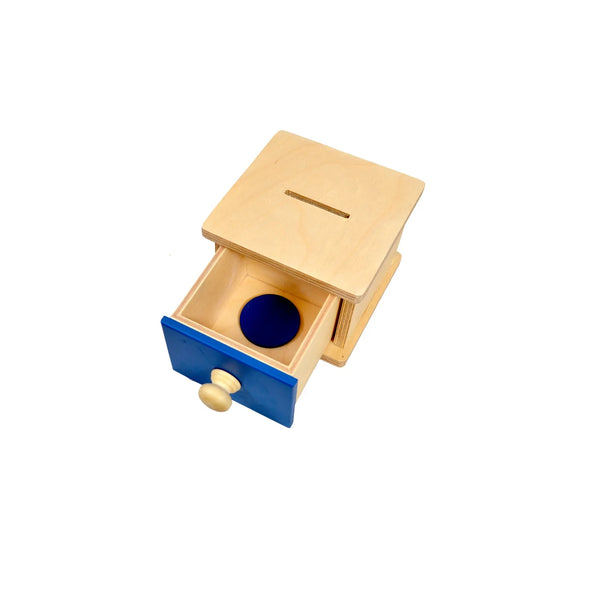
One of the most crucial aspects of choosing age-appropriate toys is understanding your child's current developmental stage. Research shows that children learn best when materials are slightly challenging but not overwhelming. For a 12-month-old, a simple stacker or a shape sorter is perfect for developing hand-eye coordination and problem-solving. A 3-year-old, like Aarya from a joint family in Bengaluru, might be ready for more complex puzzles or materials that introduce pre-math concepts like the Red Rods or Pink Tower.
Observing your child's interests and abilities is key. Does your toddler repeatedly try to fit smaller objects into larger ones? They might be ready for nesting dolls. Is your preschooler fascinated by how things work? A simple wooden gear puzzle could be ideal. Avoid toys labeled for a much older age, as they can lead to frustration and disengagement, especially when a child is already navigating the complexities of a fast-paced urban childhood, as highlighted by recent discussions on raising children in India versus other countries.
Quality Over Quantity: The Indian Parent's Dilemma
The inclination to provide children with abundant possessions is strong in many Indian households, often influenced by grandparents' affection or the desire to keep up with peers. However, a core Montessori principle is that fewer, high-quality, purposeful toys lead to deeper learning and longer engagement. Studies indicate that a cluttered play space can overwhelm a child, reducing their ability to focus and engage deeply with any single item.
Think about a 4-year-old, Rohan, in a compact Mumbai apartment. Instead of dozens of plastic toys, a small collection of well-chosen wooden blocks, a threading activity, and a practical life pouring exercise (using real water) offers far more developmental benefit. These robust, tactile materials foster creativity and fine motor skills, and they stand the test of time, often becoming cherished family items. This approach to choosing educational toys aligns with a sustainable lifestyle and teaches children to value their possessions.
The Role of 'Swadeshi' and Natural Materials
Embracing materials like wood, metal, and natural fibers aligns perfectly with Montessori principles and a growing 'Swadeshi' consciousness in India. Wooden toys, for instance, offer a rich sensory experience through their weight, texture, and natural scent, unlike sterile plastic. The satisfying 'clunk' of wooden blocks or the smooth feel of a polished wooden puzzle piece engages children on a deeper level. The American Academy of Pediatrics recommends avoiding plastic toys with questionable chemical compositions, further underscoring the benefits of natural materials.
Investing in such materials ensures durability and safety, important considerations when toys are often shared among siblings or cousins in a joint family setting. These types of materials also inspire open-ended play, where the child's imagination fills in the gaps, unlike many battery-operated toys that dictate the play experience. Explore a range of quality Montessori learning materials that prioritize natural, durable construction.
Practical Tips for Buying Educational Toys in India
Making informed purchasing decisions for best educational toys in India involves a few key steps:
- Observe Your Child: Before buying, watch what your child gravitates towards. Do they enjoy sorting? Building? Pretending? Their current interests are the best guide for what will truly engage them.
- Research Purpose: Every Montessori toy has a specific purpose. Understand what skill it aims to develop (e.g., fine motor, cognitive, language). Don't just buy because it's popular; ensure it serves a developmental need.
- Prioritize Durability and Safety: Toys should withstand vigorous play and be made from non-toxic materials. Check for small parts that could be choking hazards for younger children, especially if you have children of varying ages in the household.
- Consider Open-Ended Play: Toys that can be used in multiple ways (like blocks or play silks) encourage creativity and last longer through different developmental stages. These are often far more stimulating than toys with a single function.
- Budget Smartly: High-quality educational toys can be an investment. Focus on a few key pieces that offer long-term value and align with your child's current stage, rather than many inexpensive, fleeting items. Remember, less is often more impactful in a Montessori environment.
Choosing the right educational toys empowers your child to explore, discover, and learn independently, much like the respectful approach to childhood seen in traditional Indian family dynamics where children are encouraged to participate in daily life. By applying these Montessori-inspired principles, you can create a thoughtful, enriching play environment that supports your child's unique journey, even amidst the demands of modern Indian parenting.