Montessori Play Space in Urban India: Small Home Guide
Creating a truly enriching Montessori play space in urban India is entirely achievable, even within the cozy confines of city apartments. This approach focuses on preparing an environment that empowers your child's independence and natural curiosity, transforming any small corner into a hub for learning and growth. Research shows that a child-centered space significantly boosts concentration and self-directed activity.
What is a Montessori Play Space?
A Montessori play space is a carefully designed environment that is child-centered, accessible, and prepared to encourage independent learning. This matters because it fosters concentration, problem-solving skills, and self-discipline from an early age. Indian parents can adapt this concept by thoughtfully arranging their existing space to support their child's developmental journey.
Many urban Indian parents, like Ritu in Bengaluru, often juggle demanding careers with the joys of raising young children in homes that might feel modest in size. Yet, Ritu found that dedicating even a small, thoughtfully curated area for her 2-year-old, Arjun, made a world of difference. It wasn't about the square footage, but the intention behind the space.
Embrace "Less Is More" for Small Space Montessori
The core philosophy of a small space Montessori setup revolves around intentionality and decluttering. Studies indicate that an environment with fewer, high-quality, and purposeful items actually enhances a child's focus and reduces overstimulation. This is particularly relevant in busy Indian households where toys can quickly accumulate, often shared between siblings or gifted by doting grandparents.
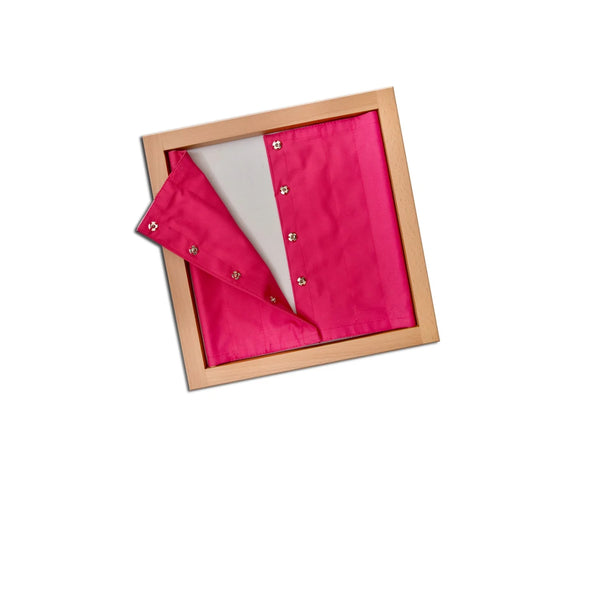
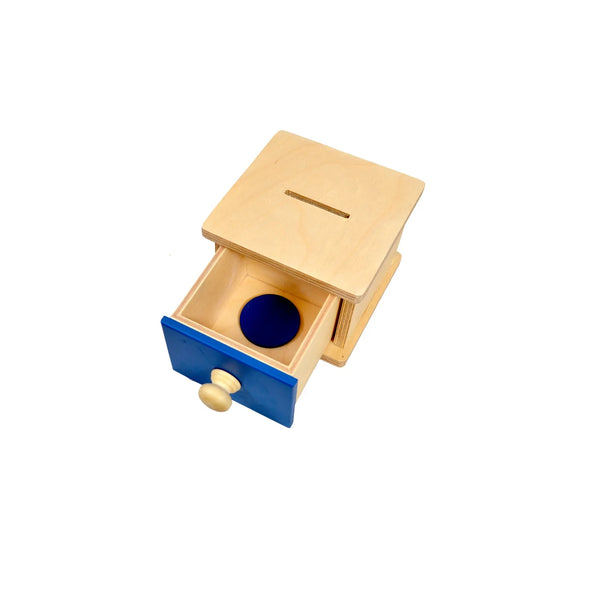
Instead of a multitude of plastic toys, consider a curated selection of Montessori-aligned learning materials. These often include wooden puzzles, stacking toys, practical life tools, and sensory exploration items. The key to effective educational toys organization is to have only a few options out at a time, rotated regularly, keeping the space fresh and engaging without overwhelming it.
The Power of Defined Zones: Montessori Home Setup India
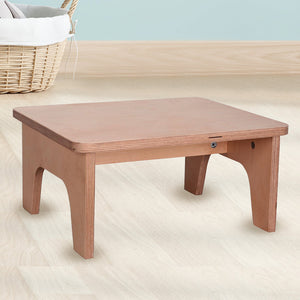
Even a single room can house multiple functional zones. For an effective Montessori home setup India, consider how different activities naturally occur. A mat on the floor can instantly define a "work" area for focused play. A small table and chair can be a space for art or fine motor activities, easily tucked away when not in use.
In many Indian homes, communal living is a beautiful tradition, where children naturally integrate into family spaces. This can be a strength for Montessori principles; rather than isolating a child's play area, integrate it thoughtfully. For example, a small, low shelf in the living room for building blocks or a designated corner in the kitchen with child-safe practical life tools (like small sweeping brushes or transferring activities) can work wonderfully. This aligns with the findings published in "The Better India" about children's integration into family life, suggesting that dedicated yet integrated spaces can thrive.
Smart Montessori Shelves for Kids: Vertical & Multi-functional
When space is at a premium, thoughtful storage is non-negotiable. Montessori shelves for kids don't need to be elaborate; they simply need to be open, accessible, and at the child's height. Think about utilizing vertical space with sturdy, low bookshelves or wall-mounted cubbies that your child can reach independently. This encourages choice and self-reliance.
Consider multi-functional furniture, too. A low bench could double as a storage unit, or a small trolley could hold various activity kits that can be wheeled into different parts of the house as needed. The idea is to make materials visible and inviting, allowing the child to "choose their work" without adult assistance.
Integrating Educational Toys into Daily Life
True Montessori at home tips extend beyond just furniture; they're about weaving purposeful play into the fabric of daily routines. For example, involving your child in simple household chores like sorting clothes, setting the table with child-sized cutlery, or watering plants can be highly engaging Montessori activities for small homes.
These practical life activities develop concentration, fine motor skills, and a sense of contribution, all within the existing home environment. Instead of a large, separate play kitchen, a child-safe step stool and a small basin for washing vegetables can offer similar developmental benefits in a real kitchen setting.
Observing Your Child: The Key to a Dynamic Space
The most profound insight in creating an effective Montessori play space, especially in a compact urban setting, isn't about having the perfect items, but about relentless observation. Child development experts agree that a truly prepared environment responds to the child's current interests and developmental needs. If 3-year-old Priya from Mumbai is fascinated by shapes, then the space should feature geometric puzzles and shape-sorting activities.
This approach allows you to constantly refine and adapt the environment. The limitation of a small space actually becomes an advantage here: it forces you to be highly selective, ensuring every item serves a specific purpose and directly supports your child's current phase of development. You'll rotate toys based on their genuine engagement, not just to fill shelves. This focused approach nurtures deeper learning and reduces mental clutter for your child.
Transforming your urban Indian home into a Montessori-friendly haven doesn't require a renovation; it requires intention and a deep understanding of your child. Start tonight by observing what truly captures your little one's attention, and then select just a few key materials to make that exploration possible and independent.