Educational Toys: Choosing Smart Play for Indian Kids
For modern Indian parents, choosing truly educational toys involves looking beyond flashy labels and focusing on engagement, skill development, and age-appropriateness. SkilloToys.com believes that the right playthings actively involve children, encouraging critical thinking and fostering independence, crucial for their holistic development in today's world.
As busy Indian parents, juggling careers, family commitments, and often joint family dynamics, we seek ways to enrich our children's learning experiences efficiently. With so many options available, it's easy to feel overwhelmed. This guide is designed to empower you to make informed choices that truly benefit your child.
What are Truly Educational Toys?
Truly educational toys are materials that facilitate a child's natural learning process by engaging their senses, encouraging exploration, and developing specific cognitive, motor, and socio-emotional skills. This matters because passive toys often limit imagination and problem-solving, while purposeful play builds foundational abilities. Indian parents can identify these by looking for toys that require active participation and offer multiple ways to play, rather than just pressing a button for a pre-programmed response.
Beyond Labels: The SkilloToys.com Philosophy for Choosing Best Educational Toys for Kids
Many toys are marketed as 'learning' or 'educational,' but not all live up to the promise. Child development experts agree that the best educational toys for kids are those that encourage open-ended play, spark curiosity, and allow children to lead their own learning. SkilloToys.com champions the Montessori philosophy, which emphasizes hands-on, self-directed activity, collaborative play, and problem-solving, rather than mere entertainment.
Consider the difference: a toy that shouts letters and numbers might offer rote memorization, but a set of wooden blocks or nesting dolls promotes spatial reasoning, fine motor skills, and creative construction. Research shows that engaging with manipulative toys significantly boosts cognitive development and abstract thinking.
Age-Appropriateness: Matching Toys to Developmental Stages
Selecting toys appropriate for your child's developmental stage is paramount for optimal learning and engagement. Maria Montessori's observations highlight that children have specific 'sensitive periods' for acquiring certain skills, and toys should align with these windows of opportunity. A toy that's too simple will bore them, while one too complex will frustrate them.
-
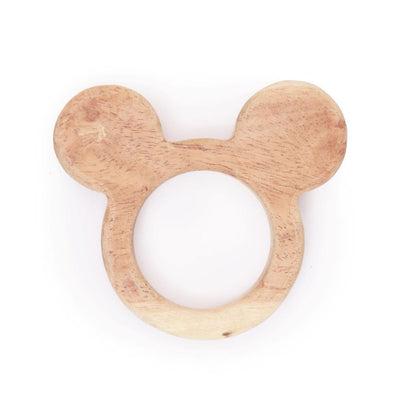
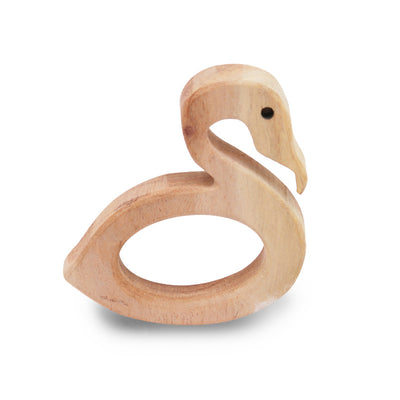
Infants (0-12 months): Focus on sensory exploration. Soft rattles, unbreakable mirrors, natural wooden teethers, and texture balls stimulate their senses safely. These items help in developing grasp and tracking.
-
Toddlers (12-36 months): Fine motor skill development and cause-and-effect understanding become key. Stacking rings, shape sorters, simple puzzles, and push-pull toys are excellent choices. Montessori materials like knobbed cylinders provide targeted fine motor practice.
-
Preschoolers (3-5 years): Imaginative play, problem-solving, and pre-literacy skills flourish. Building blocks, dramatic play sets, lacing beads, and early Montessori materials such as sandpaper letters or the pink tower are highly effective. These encourage focus and independence.
Understanding these stages helps you make purposeful choices, ensuring the toy genuinely supports their growth without overwhelming them.
Skills First: What Development Are You Fostering?
When considering how to choose educational toys, shift your focus from 'what does it do?' to 'what skill does it develop?'. A truly educational toy targets specific areas of growth, providing tools for your child to explore and master at their own pace.
-
Cognitive Skills: Toys that encourage problem-solving, critical thinking, and memory. Puzzles, strategy games, pattern blocks, and science activity kits foster logical reasoning.
-
Fine Motor Skills: Essential for writing and self-care. Toys like lacing beads, threading activities, playdough, and building sets develop hand-eye coordination and dexterity.
-
Gross Motor Skills: For balance, coordination, and physical strength. Push-pull toys for toddlers, balance boards, and outdoor play equipment are vital for developing larger muscle groups.
-
Socio-Emotional Skills: Promoting empathy, sharing, and communication. Dolls, puppets, dramatic play costumes, and board games teach valuable social interactions, crucial for growing up in Indian joint families and diverse communities.
-
Language Skills: Toys that encourage vocabulary, storytelling, and communication. Picture books, puppets, and role-playing props are excellent for fostering linguistic development.
Practical Tips for Indian Homes: Integrating Montessori Educational Toys India
Integrating Montessori educational toys India into a bustling urban Indian home requires thoughtful planning. Space can be a constraint, and balancing traditional expectations with modern parenting approaches is key.
Consider toy rotation: instead of having all toys out at once, present a curated selection. This keeps the play area tidy and maintains your child's interest, making each toy feel 'new' when reintroduced. For example, during the monsoon season, when outdoor play is limited, rotating a specific set of indoor activity kits can keep children engaged and learning productively. Involving grandparents in the selection process can also bridge generational gaps, explaining the benefits of purposeful play over purely entertainment-focused items.
Choose durable, open-ended toys made from natural materials. These last longer, offer more versatility, and align with a sustainable approach to consumption, a growing value among urban Indian families. A few high-quality, multi-purpose items are always better than a multitude of single-use plastic toys.
The SkilloToys.com Difference: Quality and Purposeful Play
At SkilloToys.com, we are committed to providing educational toys that truly make a difference in your child's development. Our selection is carefully curated based on the principles of child development and the proven effectiveness of the Montessori method. We understand the aspirations of modern Indian parents who seek quality, purpose, and lasting value.
Our range supports every stage of your child's growth, ensuring that each play experience is a step towards greater independence, stronger cognitive abilities, and well-rounded development. We are your trusted partner in choosing play that truly matters.
Choosing truly educational toys is one of the most impactful decisions you can make for your child's growth. By focusing on age-appropriateness, skill development, and purposeful engagement, you empower them to explore, discover, and learn effectively. Trust your instincts, observe your child, and select toys that resonate with their unique learning journey. SkilloToys.com is here to guide you every step of the way.
- Truly educational toys foster active engagement and specific skill development, unlike passive 'learning' toys.
- Age-appropriateness is crucial; toys must align with a child's current developmental stage to be effective.
- The Montessori philosophy emphasizes self-directed, hands-on play as the most effective learning method.
- High-quality, open-ended toys made from natural materials offer greater value and longevity than many single-use plastic alternatives.
- Toy rotation and a thoughtfully curated play environment are practical strategies for busy Indian homes.
- SkilloToys.com offers a curated selection of toys designed to support holistic child development, from fine motor to socio-emotional skills.
Are 'learning toys' always truly educational?
No, not all 'learning toys' are truly educational. Research shows that truly educational toys encourage active engagement, problem-solving, and skill development, rather than passive observation or rote memorization often associated with flashy, single-purpose 'learning' toys.
How much should I spend on educational toys?
The cost of educational toys is less important than their quality and purpose. Child development experts agree that a few well-chosen, open-ended Montessori materials or durable activity kits that foster multiple skills offer more value than many cheap, quickly discarded items. Focus on longevity and developmental benefit.
What's the role of parents in educational play?
Parents play a crucial role by providing a supportive environment, modeling engagement, and observing their child's interactions with toys. Active participation, like asking open-ended questions or demonstrating new ways to play, enhances the educational value and deepens the child's learning experience.
How do I keep my child interested in educational toys?
Keeping children interested involves toy rotation, introducing new challenges as they grow, and ensuring the play space is inviting. Presenting a few chosen Montessori educational toys at a time can prevent overwhelm and encourage deeper engagement, fostering sustained curiosity and skill mastery.
Can educational toys help with school readiness in India?
Yes, high-quality educational toys significantly contribute to school readiness. They build foundational cognitive, fine motor, and socio-emotional skills essential for formal learning, helping children develop focus, problem-solving abilities, and self-regulation critical for success in Indian school environments.