Educational Toys: Common Mistakes Indian Parents Make
Modern Indian parents often err by over-scheduling play, prioritizing academic readiness over holistic development, and overlooking a child's natural interests when choosing educational toys. Montessori principles offer a structured approach to avoid these pitfalls, focusing on child-led exploration and purposeful engagement that respects the child's developmental pace.
Educational toys are materials designed to stimulate learning and development through play. This matters because well-chosen toys can significantly enhance cognitive, social, emotional, and physical skills. Indian parents can leverage these tools to foster independent thinking and a lifelong love for learning, rather than just rote memorization.
In our bustling urban lives, juggling careers and family responsibilities, it's easy to fall into common traps when trying to provide the best for our children. The pressure to ensure our kids are 'ahead' often leads to choices that, while well-intentioned, can actually hinder their natural development. As seen with recent discussions on parenting styles in India versus other countries, understanding effective toy selection is more crucial than ever.
Overlooking Child-Led Learning and Natural Interests
A significant mistake modern Indian parents make is imposing structured play or selecting toys based on what we think our child should learn, rather than observing their innate curiosity. Research shows that children learn best when they are intrinsically motivated and engage with materials that align with their current developmental stage and interests.
Child development experts agree that a prepared environment, rich with age-appropriate and inviting materials, allows children to choose activities that resonate with them. For example, a child deeply fascinated by textures will thrive with sensory materials, while another might be drawn to building blocks or practical life tools. Maria Montessori herself emphasized "follow the child," advocating for observation over imposition.
Montessori educational toys are designed to be self-correcting and invite exploration, giving children the freedom to discover at their own pace. This approach empowers children, fostering independence and a deeper understanding of concepts. By providing a curated selection of materials from our Montessori learning materials collection, parents can cultivate an environment where true child-led learning flourishes.
Prioritizing "Academic" Over Holistic Development
Many Indian parents, influenced by the competitive academic environment, mistakenly choose kids learning toys that push early literacy or numeracy, often at the expense of fine motor skills, sensory exploration, or practical life abilities. While academic readiness is important, a strong foundation in these broader developmental areas is crucial for long-term success.
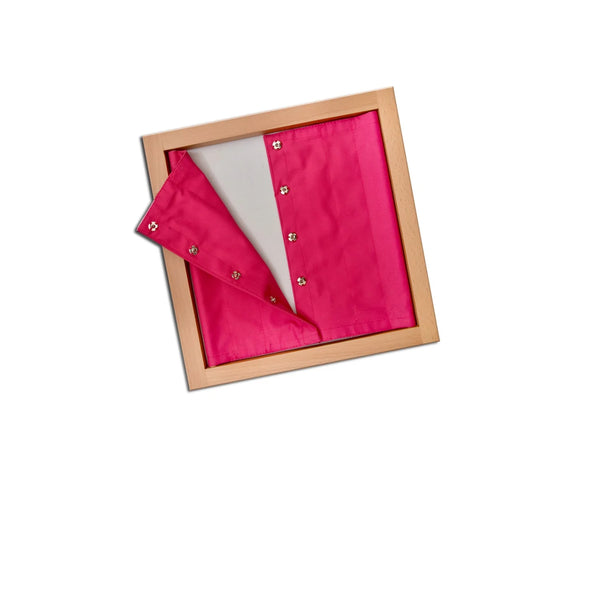
Studies indicate that children who develop strong fine motor skills through activities like manipulating small objects, pouring, or buttoning are better prepared for writing and complex tasks later on. Montessori classrooms famously use materials like the Pink Tower for spatial reasoning and Sandpaper Letters for tactile phonics, building a holistic foundation before formal academics.
Rather than flashcards for toddlers, consider toys that encourage problem-solving, cause-and-effect, and sensory engagement. These types of experiences lay down critical neural pathways, making future academic learning more intuitive and less stressful. Embracing a balanced approach ensures children develop robustly across all domains.
The Trap of Too Many Toys (or the Wrong Kind)
In well-meaning attempts, urban Indian homes can sometimes become cluttered with an overwhelming number of toys, many of which are passive, battery-operated, or lack open-ended play value. This overabundance can paradoxically lead to less engagement, shorter attention spans, and diminished creativity in children.
Child development experts agree that a minimalist approach with fewer, high-quality, purposeful toys is more beneficial. When children have fewer choices, they tend to engage more deeply with each item, developing concentration and problem-solving skills. Montessori philosophy advocates for quality over quantity, with each material serving a specific developmental purpose.
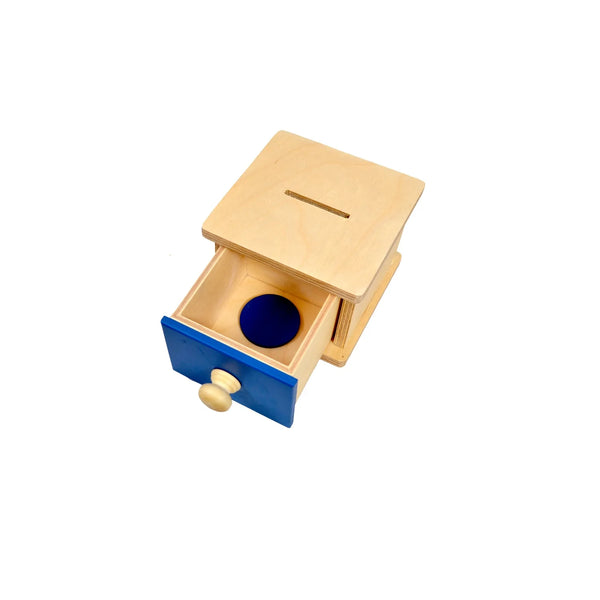
For children aged 18-24 months, for instance, a small selection of simple puzzles, stackers, or sorting activities is far more effective than a giant box of random plastic items. Focusing on purposeful activity kits that encourage sustained engagement can transform playtime into meaningful learning opportunities, especially useful for parents balancing work and home life.
Ignoring the Importance of Quality and Durability
Another common parenting mistake, especially when choosing educational toys India, is prioritizing low cost over quality and durability. Cheap, fragile toys often break quickly, creating waste and teaching children little about respecting materials or sustainability. This can be particularly noticeable in joint families where toys might be passed down through generations.
Research consistently shows that high-quality toys, often made from natural materials like wood or fabric, not only last longer but also offer a richer sensory experience. They are safer, more sustainable, and often designed with greater developmental insight, making them a worthwhile investment. This approach aligns with a growing awareness of environmental impact, a relevant concern for many modern Indian families.
Montessori materials, known for their robust construction and aesthetic appeal, are designed to withstand years of use. This longevity means they can be shared among siblings or even cherished for future generations, a practical consideration in many Indian households. Investing in durable, well-crafted toys ensures prolonged engagement and better value.
Forgetting the Role of Parental Involvement (Without Interference)
While the focus is on child-led learning, modern Indian parents sometimes struggle to find the right balance of involvement. This can range from constant hovering and directing play to completely leaving children to their own devices, missing opportunities for connection and guidance. Finding this balance is key, especially amidst the pressures highlighted by current discussions on parenting challenges.
Child development experts emphasize that parents act as facilitators in a Montessori environment. This means setting up the space, introducing materials, and then stepping back to observe. Your presence, even if quiet, provides security, and your observations help you understand your child's interests and developmental needs, informing future toy choices.
Engaging with your child means being present, not necessarily directing. It's about modelling curiosity, respecting their concentration, and offering help only when truly needed. This balanced approach helps children develop independence while feeling supported, building a stronger parent-child bond. This is particularly valuable during times like the monsoon season, when indoor play is more common and interaction is crucial.
Navigating the world of educational toys can feel daunting, but by avoiding these common pitfalls, modern Indian parents can create a more effective and joyful learning journey for their children. Embracing Montessori principles means trusting your child's innate drive to learn, providing purposeful tools, and fostering an environment of respect and independence. At SkilloToys, we are dedicated to helping you make informed choices that truly benefit your child's holistic development.
- Modern Indian parents often prioritize academic readiness over holistic child development when choosing educational toys.
- Child-led learning, a cornerstone of Montessori, fosters intrinsic motivation and deeper engagement with learning materials.
- An overwhelming number of toys can hinder a child's concentration and creativity; quality over quantity is essential.
- Investing in durable, high-quality educational toys offers better value, richer sensory experiences, and promotes sustainability.
- Parents should act as facilitators and observers, providing a prepared environment without constantly directing a child's play.
- Montessori materials are designed for self-correction and specific developmental purposes, supporting comprehensive skill acquisition.
What are common mistakes Indian parents make when choosing educational toys?
Common mistakes include prioritizing early academics over holistic development, overwhelming children with too many toys, overlooking child-led interests, and choosing quantity or low cost over quality. These errors can hinder a child's natural learning process and engagement.
How does Montessori help avoid these common parenting mistakes?
Montessori helps by advocating for child-led learning, a prepared environment with purposeful materials, and a focus on holistic development, including practical life and sensory skills. It encourages parents to observe and facilitate, rather than dictate, their child's learning journey.
Why is "too many toys" a problem for children's learning?
An excessive number of toys can overwhelm a child, leading to shorter attention spans, less deep engagement, and reduced creativity. A curated selection of high-quality, open-ended toys promotes better focus and more meaningful play experiences.
Should parents prioritize academic-focused kids learning toys for toddlers?
No, child development experts advise against prioritizing purely academic-focused toys for toddlers. Instead, focus on materials that build foundational skills like fine motor coordination, sensory exploration, and problem-solving, which naturally prepare them for future academic success.
How can I ensure the educational toys I choose are high quality and durable?
To ensure quality, look for educational toys made from natural, sturdy materials like wood, metal, or durable fabric, often with simple designs. Research brands known for their craftsmanship and adherence to safety standards, like those found in authentic Montessori collections.