Educational Toys for 3 Year Olds: Nurturing Growth
Selecting the right educational toys for 3 year olds is crucial for nurturing their rapidly developing minds and bodies, making a definitive impact on their early learning journey. For modern Indian parents, choosing toys that align with their child's natural curiosity and developmental stage can significantly foster independence and foundational skills, ensuring they thrive in our dynamic world.
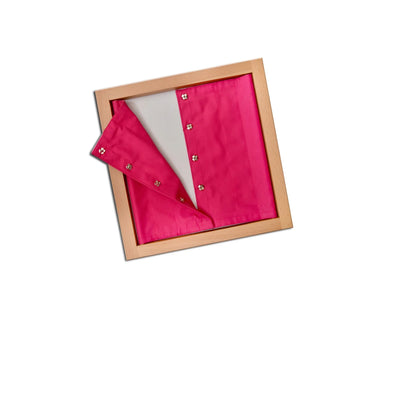
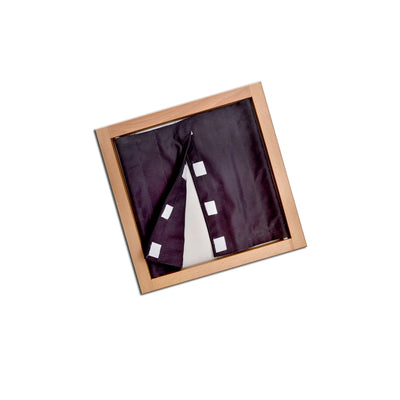
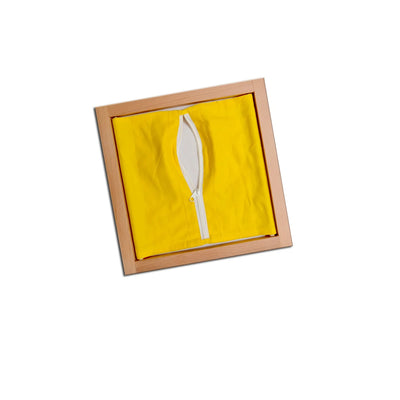
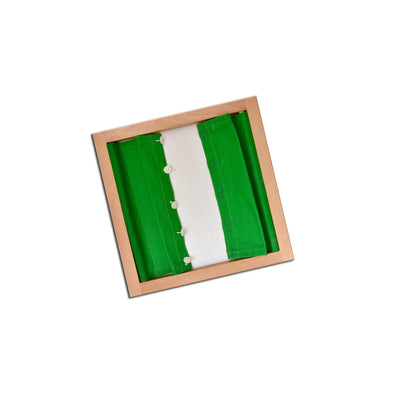
Montessori educational toys for 3-year-olds are specifically designed, self-correcting tools that encourage exploration, concentration, and practical life skills through hands-on engagement. This approach matters deeply because it respects the child's innate drive to learn and promotes self-reliance, which is invaluable for Indian parents navigating the balance of tradition and modern education.
Why Montessori for 3-Year-Olds in Modern Indian Homes?
As your child turns three, their capacity for learning expands dramatically, making the Montessori philosophy particularly relevant for Montessori toys for 3 year olds. Research shows that structured yet child-led play at this age builds strong cognitive foundations and enhances problem-solving abilities, which are essential for navigating India's competitive educational landscape. Maria Montessori's methods, emphasizing independence and respect for the child, resonate well with the values many Indian families instill.
Child development experts agree that a focus on practical life skills and sensory exploration at this age cultivates concentration and self-discipline. This approach helps young children, whether in a bustling Bengaluru apartment or a sprawling joint family home, to develop a sense of order and purpose. It also empowers parents to offer enriching activities that naturally integrate learning into daily routines, reducing reliance on screens and fostering meaningful engagement.
Key Developmental Milestones at Age 3 & How Toys Help
At three years old, children are bursting with energy and a growing sense of self, reaching significant cognitive, fine motor, gross motor, and socio-emotional milestones. They are developing language skills rapidly, engaging in imaginative play, and refining their coordination. Thoughtfully chosen educational toys can act as catalysts, transforming play into purposeful learning that supports these crucial stages and prepares them for preschool in India.
Enhancing Fine Motor Skills and Concentration
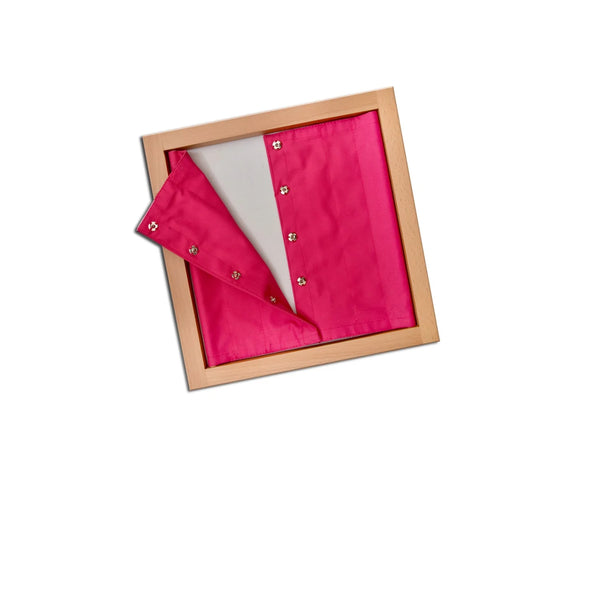
Fine motor skills, vital for writing and self-care, are honed through activities requiring precise hand-eye coordination. Toys like bead stringing sets, multi-piece puzzles, and lacing activities encourage dexterity and focus, which are foundational for school readiness. Our range of activity kits provides excellent resources for developing these intricate skills, fostering patience and problem-solving as children manipulate small objects.
Boosting Language and Cognitive Development
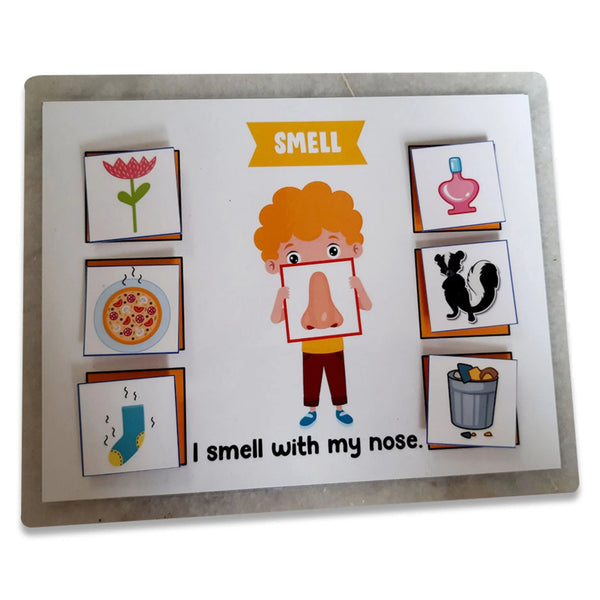
Three-year-olds are language sponges, absorbing new words and concepts daily. Montessori materials like nomenclature cards, matching games, and story-telling puppets enhance vocabulary, categorization, and memory. These preschool educational toys stimulate curiosity about the world around them, encouraging questions and dialogue that are crucial for their cognitive expansion and communication abilities in both English and regional languages.
Fostering Problem-Solving and Creativity
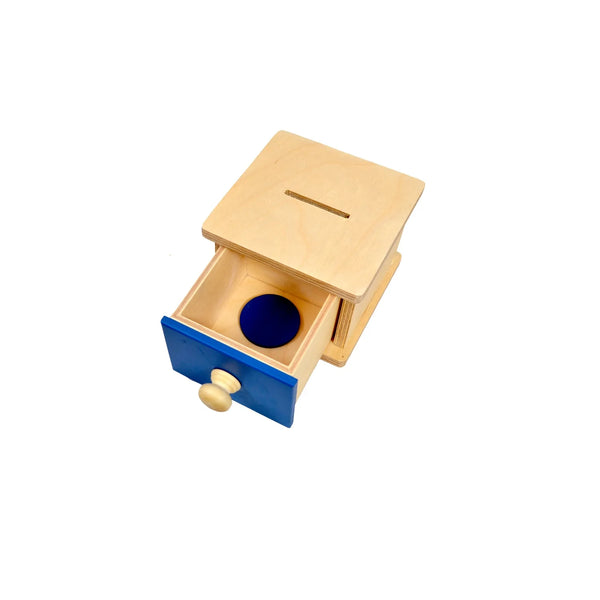
Open-ended toys that encourage imagination and critical thinking are paramount for a 3-year-old. Building blocks, shape sorters, and stacking games challenge children to think spatially and sequentially. These activities are not just about play; they are about understanding cause and effect, experimenting with solutions, and expressing creativity, whether building a replica of a temple during Diwali or a fort for their action figures.
Choosing the Right Educational Toys for 3 Year Old Indian Kids
When selecting toys for 3 year old Indian kids, parents should prioritize safety, durability, and materials that encourage sensory exploration, such as wood or natural fabrics. Opt for open-ended toys that allow for varied play, rather than single-purpose items, as this maximizes engagement and longevity. In urban Indian homes, where space can be a premium, compact yet versatile toys are often the most practical choice.
Consider toys that can be easily integrated into family life, allowing grandparents to join in the fun and share traditional stories during playtime. Look for materials that promote independent discovery and can be cleaned easily, reflecting the practical realities of a busy household. Our extensive Montessori collection offers a diverse array of options designed to meet these exact needs.
Beyond Toys: Creating a Montessori-Inspired Environment
True Montessori learning extends beyond just the toys themselves; it's about creating an environment that respects the child's innate drive for self-direction. This means setting up child-sized furniture, providing accessible shelving for toys, and encouraging participation in age-appropriate daily tasks, like pouring water or tidying up. Such an environment empowers children to make choices, fostering a strong sense of autonomy and responsibility.
A study by the American Academy of Pediatrics in 2018 highlighted that children thrive when given opportunities for self-directed play and choice, leading to improved executive function and creativity. In the Indian context, this means encouraging children to help with simple household chores, fostering community spirit, and allowing them to engage with cultural practices actively, rather than passively observing.
- Educational toys for 3-year-olds are vital for fostering independence, concentration, and essential life skills.
- Montessori principles support holistic development by respecting a child's natural learning pace and curiosity.
- Fine motor skills are enhanced through targeted activities like bead stringing and puzzles.
- Language and cognitive growth are boosted by nomenclature cards and imaginative play materials.
- Choosing durable, open-ended, and culturally relevant toys is key for Indian families.
- A Montessori-inspired environment, beyond just toys, cultivates autonomy and responsibility.
In conclusion, selecting educational toys for 3 year olds is more than just buying playthings; it's an investment in your child's holistic development and future readiness. By embracing Montessori principles and choosing age-appropriate, engaging materials, you empower your child to explore, learn, and grow confidently. Remember, as urban Indian parents, your thoughtful choices today pave the way for a more independent and capable generation tomorrow.
What is the best way to choose educational toys for a 3-year-old?
The best way to choose educational toys for a 3-year-old is to prioritize open-ended, durable, and age-appropriate materials that encourage active engagement and self-correction. Look for toys that foster independence, concentration, and fine motor skills, while also allowing for imaginative play. Consider natural materials and items that can be integrated into a Montessori-inspired home environment.
How do Montessori toys specifically benefit 3-year-olds?
Montessori toys benefit 3-year-olds by providing hands-on learning experiences that promote self-discovery, concentration, and practical life skills. These materials are often self-correcting, allowing children to learn from their mistakes independently, which builds confidence and a strong foundation for abstract thinking. They also encourage purposeful movement and sensory exploration crucial for this developmental stage.
Are wooden toys better than plastic for 3-year-olds?
Yes, wooden toys are generally considered better than plastic for 3-year-olds due to their durability, sensory appeal, and often simpler design. Wooden toys offer a natural tactile experience, are non-toxic, and encourage imaginative play without overwhelming children with excessive features. They also tend to last longer and are more environmentally friendly.
How can I encourage my 3-year-old to play independently?
To encourage independent play in a 3-year-old, create an organized, accessible play environment where toys are neatly arranged and easily reachable. Offer a limited selection of open-ended toys and allow your child uninterrupted time to explore without constant adult intervention. Observe their interests and provide opportunities for self-directed activities that build concentration and problem-solving skills.
What skills should educational toys for 3-year-olds focus on?
Educational toys for 3-year-olds should focus on developing fine and gross motor skills, language acquisition, cognitive abilities like problem-solving and categorization, and early social-emotional understanding. Toys that encourage imaginative play, sensory exploration, and practical life skills are particularly beneficial. These foster independence and prepare children for formal schooling by building foundational learning capabilities.