Educational Toys for Modern Indian Child Development
Educational toys are crucial for modern Indian childhood development as they provide foundational experiences that foster holistic growth, moving beyond traditional academic pressures. They actively engage children in purposeful play, nurturing critical thinking, creativity, and essential life skills necessary for thriving in a rapidly evolving world.
Educational toys are specifically designed tools that stimulate learning and development through play, rather than solely for entertainment. They facilitate the acquisition of cognitive, motor, social, and emotional skills, aligning with a child's natural curiosity and developmental stages. This matters because they offer a structured yet joyful path to skill-building, unlike passive entertainment. Indian parents can integrate them to provide a rich learning environment that complements formal schooling and cultural values.
Modern Indian Parenting: Beyond Rote Learning
The landscape of modern Indian parenting is rapidly evolving, with urban families navigating unique challenges from demanding careers to balancing traditional joint family values with global aspirations for their children. Today's parents understand that success isn't just about exam scores; it's about nurturing well-rounded individuals ready for a complex world.
This shift emphasizes a move away from rote learning towards a holistic approach to child development India. Research shows that environments rich in stimulating play experiences lead to better cognitive outcomes, fostering adaptability and problem-solving skills from an early age. Parents are actively seeking ways to enrich their child's learning beyond textbooks.
While screen time can be a quick distraction, it often falls short in promoting genuine engagement and skill development, sometimes leading to challenging public behaviour. Engaging children with purposeful play, facilitated by well-chosen educational toys, offers a powerful alternative that builds vital emotional regulation and social interaction skills.
Holistic Child Development India Needs Purposeful Play
For a child to truly flourish, development must encompass more than just intellectual prowess. Holistic development includes cognitive, fine motor, gross motor, sensory, language, and socio-emotional growth – all intertwined to create a confident, capable individual. Educational toys are instrumental in building these foundational elements.
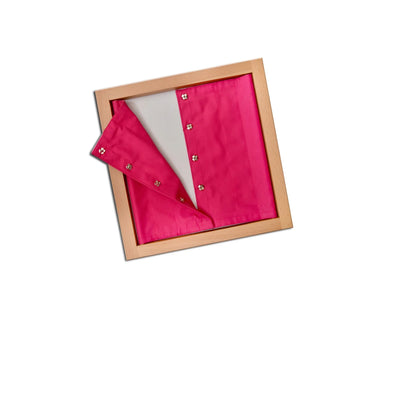
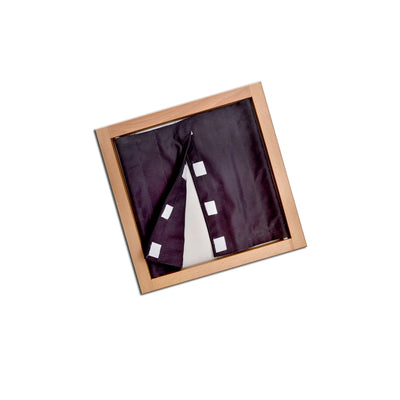
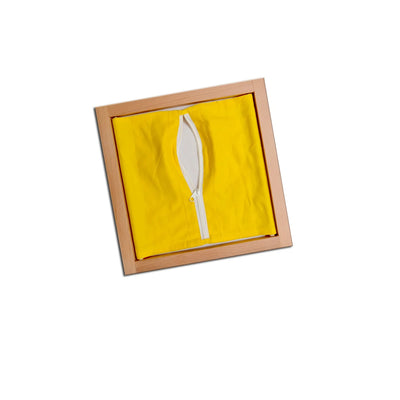
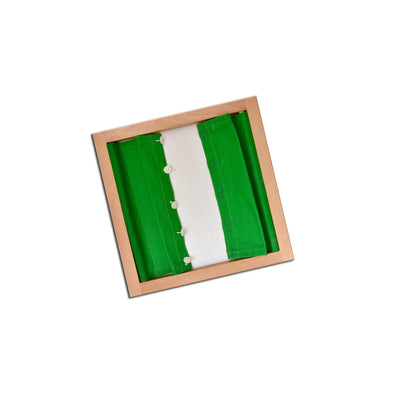
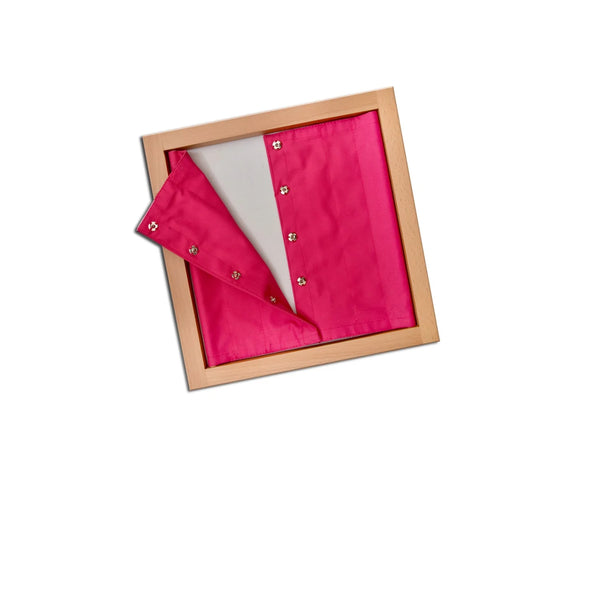
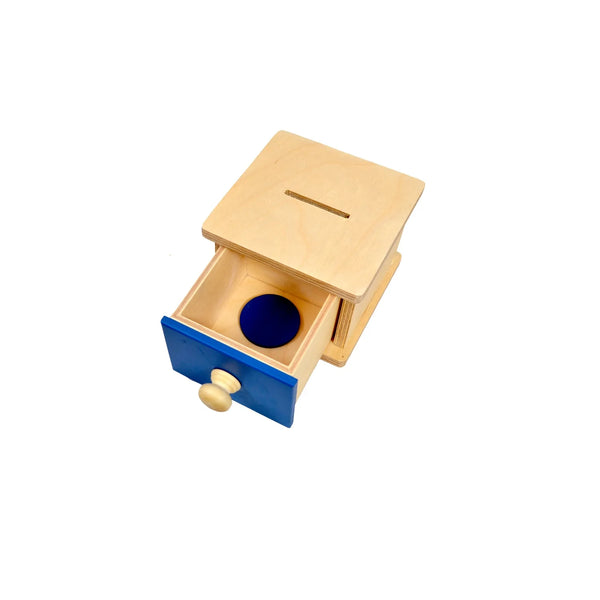
Maria Montessori, a pioneering educator, demonstrated that children learn best through hands-on exploration and self-directed activity. For instance, carefully designed Montessori materials like the Pink Tower help children develop spatial reasoning and fine motor control, while Sandpaper Letters provide a tactile foundation for language acquisition. These aren't just toys; they are learning instruments.
From developing hand-eye coordination with stacking rings (18-24 months) to fostering early literacy with phonetic puzzles (3-6 years), purposeful play with educational toys addresses every facet of child development India. This proactive engagement ensures children are not just entertained but are actively constructing their understanding of the world.
Montessori Toys Benefits: More Than Just Playtime
The benefits of Montessori toys extend far beyond simple amusement; they are designed to cultivate intrinsic motivation and a love for learning. Unlike many conventional toys that dictate how they should be used, Montessori materials encourage independence and self-correction, empowering children to discover solutions on their own.
Studies indicate that children who engage with self-correcting Montessori materials develop stronger concentration skills and a greater sense of accomplishment. This philosophy resonates deeply within the modern Indian context, where parents seek to instill resilience and self-reliance in their children, alongside respecting cultural values often reinforced by grandparents.
Integrating these carefully crafted educational tools helps children develop problem-solving abilities, fine motor precision, and sustained attention – critical skills that build a strong foundation for future academic and life success. The Montessori toys benefits are truly transformative, offering a powerful antidote to passive entertainment.
Choosing the Right Educational Toys for Your Indian Home
Selecting educational toys requires thoughtful consideration, especially for urban Indian parents balancing space constraints and cultural influences. Focus on age-appropriate, open-ended toys that stimulate creativity and critical thinking, rather than those with a single, limited function. Always prioritise safety, opting for non-toxic, durable materials.
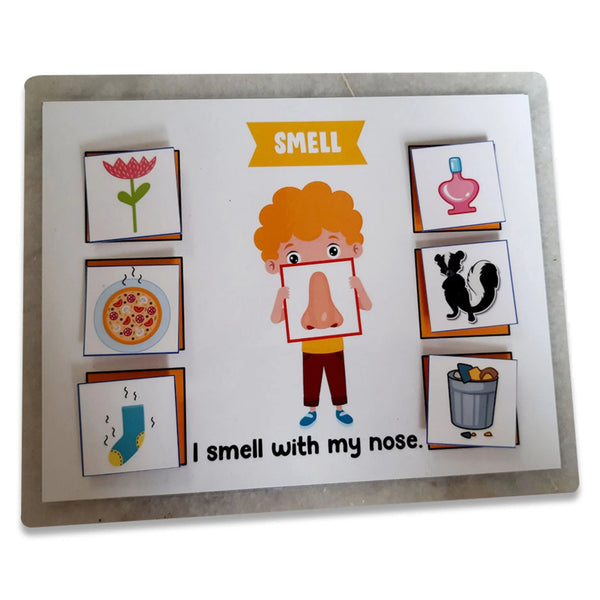
For homes that might have limited play areas, consider versatile items like activity kits that offer multiple learning opportunities within a compact package. These can easily be set up for focused play and then stored away. Investing in a few high-quality, purposeful play items is far more beneficial than accumulating many disposable plastic toys.
Remember that the best educational toys are those that invite exploration, challenge, and joy, fostering a child's natural curiosity. Encourage interaction, observe your child's preferences, and create a stimulating environment where learning is an exciting adventure, supported by their beloved family.
- Educational toys are essential for holistic development, moving beyond academic pressure in modern Indian childhood.
- Maria Montessori's philosophy underpins effective educational toys, promoting self-directed learning and independence.
- Purposeful play with educational toys enhances cognitive, motor, language, and socio-emotional skills for Indian children.
- Open-ended, age-appropriate educational toys are crucial for fostering creativity and critical thinking.
- Investing in quality educational toys provides lasting developmental benefits compared to passive entertainment.
- Modern Indian parenting emphasizes holistic growth, where educational toys play a vital role in building essential life skills.
Why are educational toys better than regular toys?
Educational toys are specifically designed to promote developmental skills and learning, offering structured engagement beyond mere entertainment. They encourage active problem-solving, creativity, and critical thinking, unlike many regular toys that provide passive amusement.
At what age should Indian parents introduce educational toys?
Educational toys can be introduced from infancy, with age-appropriate options available for newborns to toddlers and older children. Even simple items like rattles or soft fabric books are considered educational as they stimulate sensory development from a very young age.
How do educational toys help with academic pressure in India?
Educational toys build foundational skills like critical thinking, concentration, and problem-solving, which are crucial for academic success without the pressure of formal learning. They make learning enjoyable and intuitive, fostering a positive attitude towards education from an early age.
Can educational toys replace screen time for Indian children?
Yes, educational toys offer a compelling and beneficial alternative to screen time by providing hands-on, interactive engagement that digital devices often lack. They encourage creativity, physical activity, and social interaction, which are vital for healthy development and reduce passive consumption.
Are Montessori toys suitable for all Indian families?
Montessori toys are highly beneficial for all Indian families as they promote universal principles of self-directed learning, independence, and respect for the child's natural development. Their focus on practical life skills and sensory exploration aligns well with fostering capable, confident children in any cultural context.