Educational Toys: Fostering Independence & Joy in Indian Kids
For modern Indian parents juggling demanding careers and the beautiful chaos of family life, ensuring a child's holistic development beyond academics is a top priority. Montessori educational toys are definitive tools for fostering true independence and deep-seated joy in children, empowering them to become self-reliant and curious learners from an early age. This approach goes beyond mere skill acquisition, nurturing a child's inner drive and sense of purpose.
What Are Montessori Educational Toys?
Montessori educational toys are thoughtfully designed learning materials that align with the child-centric philosophy of Dr. Maria Montessori. This matters because they facilitate self-directed activity, hands-on learning, and collaborative play, promoting physical, social, emotional, and cognitive development. Indian parents can use these tools to create a 'prepared environment' at home, allowing children to explore and learn naturally.
Beyond Books: How Educational Toys Cultivate Child Independence
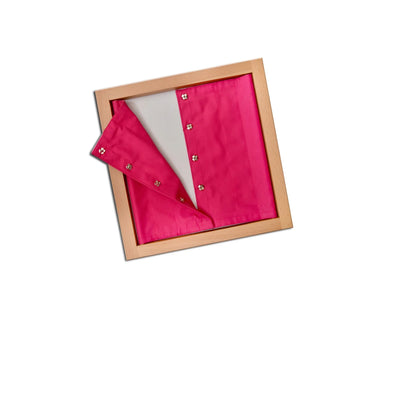
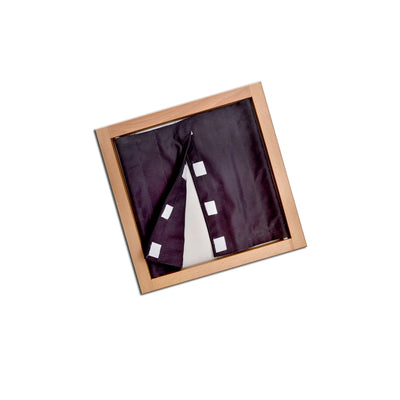
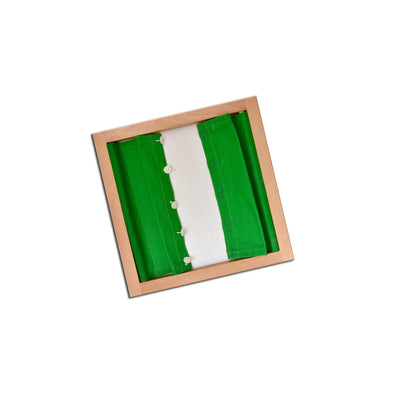
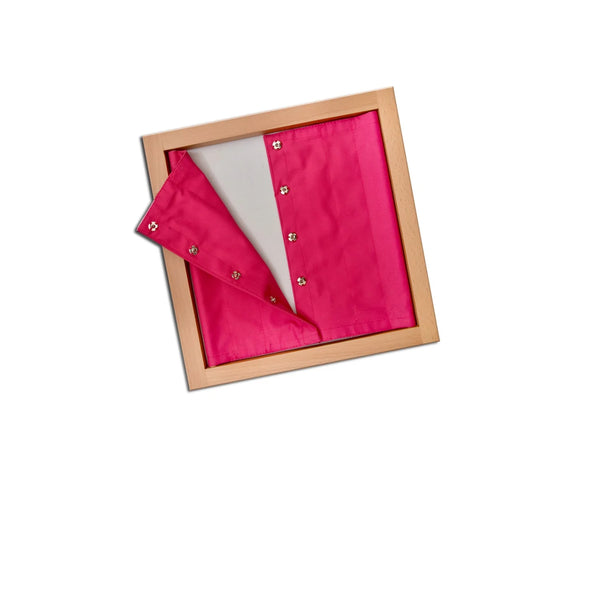
In the bustling Indian household, cultivating child independence can feel like a monumental task, but educational toys provide a gentle, effective pathway. Research consistently demonstrates that self-directed play significantly enhances problem-solving skills and executive function in young children. By engaging with materials like practical life sets – think small brooms, pouring activities, or button frames – children learn to master tasks, build concentration, and gain confidence in their abilities to contribute.
This hands-on approach empowers children to take initiative, whether it's setting the table with child-sized utensils or independently choosing an activity from their shelf. Such experiences are invaluable for urban Indian parents who, even amidst career pressures, want their children to grow into capable, self-reliant individuals. It's about giving them the tools to explore and understand their world, much like the parents at Jantar Mantar protesting for their children's future are empowering their voices.
By offering opportunities for practical engagement, these toys naturally encourage children to take responsibility for their environment and their learning journey. You can explore a range of practical life and other skill-building options within our Montessori method learning materials collection.
The Joy of Discovery: Learning Through Play with Kids Learning Toys
The magic of Montessori lies in its ability to instill genuine joyful learning, transforming lessons into exciting discoveries. When children engage with activity kits or puzzles, they aren't just learning numbers or shapes; they are experiencing the thrill of accomplishment and the satisfaction of independent problem-solving. Child development experts agree that a sense of accomplishment, even in small tasks, builds crucial self-esteem from an early age.
These kids learning toys foster an intrinsic motivation that goes far beyond rote memorization, a common pressure in the Indian academic system. Imagine a child beaming after successfully completing a geometric puzzle or meticulously arranging beads on a spindle. This is the pure joy of self-discovery, nurturing a lifelong love for learning rather than a fear of failure. It helps children develop patience and resilience, skills as crucial as any academic subject.
Whether it's preparing for a festival by learning about patterns or quietly engaging with a challenging activity during the monsoon season, these toys offer a constructive and enjoyable alternative to passive entertainment. They allow children to follow their natural curiosity, leading to deeper engagement and more meaningful learning experiences that stick with them.
Montessori Benefits for the Modern Indian Family
For modern Indian parenting, navigating the demands of work-life balance while ensuring a child's well-being is a unique challenge. The Montessori approach, supported by these specialized toys, offers significant advantages. Studies indicate that children in prepared environments develop superior concentration, self-discipline, and a greater capacity for independent work, which can free up precious parental time.
Compared to parenting styles observed in other countries, as highlighted by discussions around raising children in India versus the US, Indian parents often balance cultural traditions with modern aspirations. Montessori educational toys fit perfectly into this dynamic, providing a structured yet flexible framework that respects the child's individuality within the family unit. Grandparents, too, often find it easy to engage with these purposeful toys, bridging generational gaps through shared learning experiences.
By fostering a child's ability to focus and manage their own activities, these toys indirectly help reduce household stress and create a calmer environment, even amidst the hustle of a busy day. This isn't just about what the child learns; it's about how the entire family ecosystem benefits from a child's growing independence and self-possession.
Choosing the Right Educational Toys for Your Child
Selecting the ideal educational toys involves understanding your child's developmental stage and interests. For toddlers (around 18-36 months), materials like the Pink Tower, which helps develop spatial reasoning and fine motor skills, are excellent. For pre-schoolers (3-6 years), sandpaper letters are invaluable for early literacy, connecting tactile experience with phonetic sounds.
Prioritise open-ended toys that encourage imagination and multiple ways of playing, rather than those with a single function. Quality over quantity is key; a few well-chosen Montessori materials will provide more value than a multitude of distracting plastic toys. Always ensure the materials are age-appropriate and made from safe, durable materials. This thoughtful selection process ensures the toys serve their purpose of fostering genuine growth and joyful discovery.
- Montessori educational toys empower children with self-directed learning, building independence.
- These toys cultivate intrinsic joy through discovery, fostering a lifelong love for learning.
- They are essential for modern Indian parents balancing career and child's holistic development.
- Montessori materials, like the Pink Tower, offer age-appropriate, sensory-rich learning experiences.
- Experts agree that self-reliance and purposeful play are critical for a child's well-being.
- Creating a 'prepared environment' at home supports a child's natural drive to learn and explore.
What makes Montessori educational toys different from regular toys?
Montessori educational toys are specifically designed with a clear learning objective, promoting self-correction, concentration, and practical life skills. Unlike many conventional toys, they encourage independent exploration and discovery over passive entertainment, aligning with a child's natural developmental stages.
At what age should I introduce Montessori educational toys to my child?
Montessori educational toys can be introduced from infancy, with age-appropriate materials available for every stage. For example, mobiles are suitable for newborns, while stacking toys and sensory materials are excellent for toddlers (18-24 months) to foster early development and curiosity.
How do these toys help with my child's independence?
These toys are designed for self-directed use, allowing children to choose their activities and learn at their own pace without constant adult intervention. This process builds self-confidence, decision-making skills, and a sense of accomplishment, directly fostering independence from a young age.
Can Montessori educational toys reduce screen time for my child?
Yes, by offering engaging, hands-on alternatives, Montessori educational toys can significantly reduce screen time. Their inherent ability to captivate a child's attention through purposeful play encourages deeper engagement and provides a more enriching developmental experience than passive digital consumption.
Are Montessori toys suitable for joint families in India?
Absolutely. Montessori toys encourage calm, focused work, which can be beneficial in a bustling joint family environment. They also provide opportunities for different family members, including grandparents, to engage meaningfully with the child's learning in a structured yet playful way.